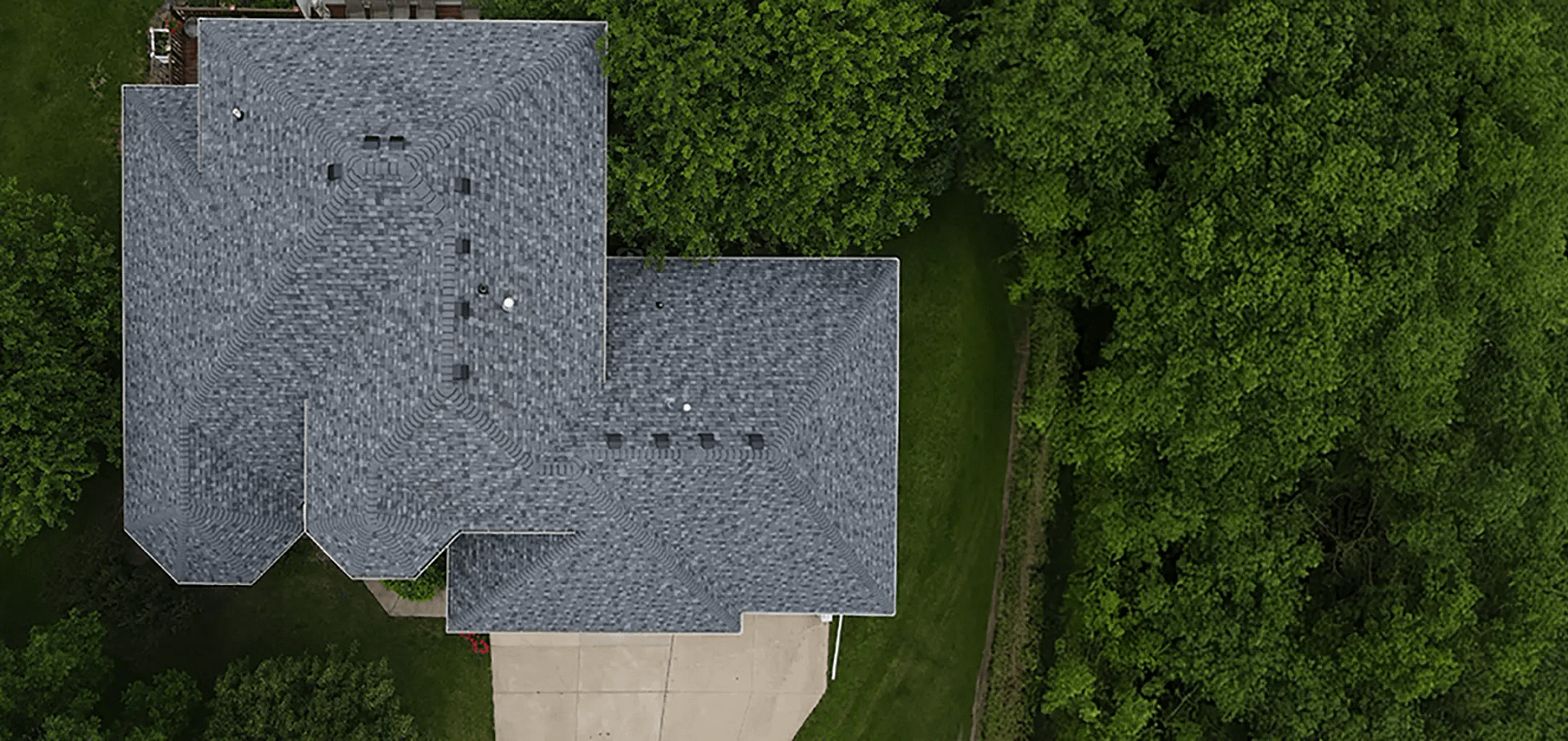
Regular siding maintenance is one of the most effective ways to protect your home’s exterior from weather damage, moisture problems, and premature wear. Siding acts as a protective shell around your home, shielding the structure from wind, rain, and temperature changes. With proper care and routine inspections, homeowners can extend the lifespan of their siding and maintain strong curb appeal for many years.
- Longer lifespan: Routine maintenance helps siding last decades without major repairs.
- Better protection: Well maintained siding prevents moisture and pest intrusion.
- Improved appearance: Regular care keeps your home looking clean and well preserved.
Why Siding Maintenance Matters
Siding is constantly exposed to environmental conditions such as sun, rain, snow, and fluctuating temperatures. Over time, these elements can cause fading, cracking, or loosening of siding materials. Without proper upkeep, minor issues can lead to structural damage behind the siding panels.
Routine inspections and simple maintenance tasks can prevent these problems. By addressing small issues early, homeowners avoid costly repairs and ensure their siding continues protecting the home effectively.
8 Siding Maintenance Tips For Long Term Protection
Maintaining your siding does not require complicated procedures. These practical tips can help homeowners keep their siding in excellent condition and protect their homes for the long term.
1. Inspect Your Siding Twice Per Year
Regular inspections help catch small problems before they become serious.
- Look for cracks: Small cracks can allow moisture to enter behind the siding.
- Check for loose panels: Strong winds can shift or loosen siding sections.
- Inspect seams and joints: Gaps between panels can lead to water intrusion.
A simple visual check each spring and fall can identify early signs of damage.
2. Clean Your Siding Regularly
Dirt, algae, and mildew can accumulate on siding surfaces over time. Cleaning siding helps maintain its appearance and prevents long term deterioration.
- Use mild cleaning solutions: Gentle soap and water remove most dirt buildup.
- Rinse with a hose: Avoid excessive pressure that could damage panels.
- Clean shaded areas carefully: Mold and algae often grow where sunlight is limited.
Regular cleaning helps preserve the siding’s protective finish.
3. Keep Gutters and Downspouts Clear
Proper drainage protects siding from excessive moisture exposure.
- Remove debris: Leaves and twigs can clog gutters and cause overflow.
- Inspect downspouts: Ensure water flows away from the house.
- Prevent water staining: Overflowing gutters often damage siding surfaces.
Maintaining your drainage system helps keep siding dry and protected.
4. Trim Nearby Trees and Vegetation
Overgrown branches and shrubs can scrape against siding and trap moisture against the exterior walls.
- Prevent scratches: Branches rubbing against siding can damage the surface.
- Improve airflow: Proper spacing allows siding to dry after rain.
- Reduce debris buildup: Leaves and branches can accumulate around the exterior.
Maintaining landscaping helps protect siding from unnecessary wear.
5. Check for Moisture Damage
Moisture is one of the most common causes of siding deterioration. Regularly inspecting for water damage helps prevent structural problems.
- Look for stains: Discoloration may indicate water infiltration.
- Check for mold growth: Mold often appears in damp areas of siding.
- Inspect caulking: Cracked sealant can allow moisture behind panels.
Addressing moisture issues quickly prevents more serious damage.
6. Maintain Protective Finishes
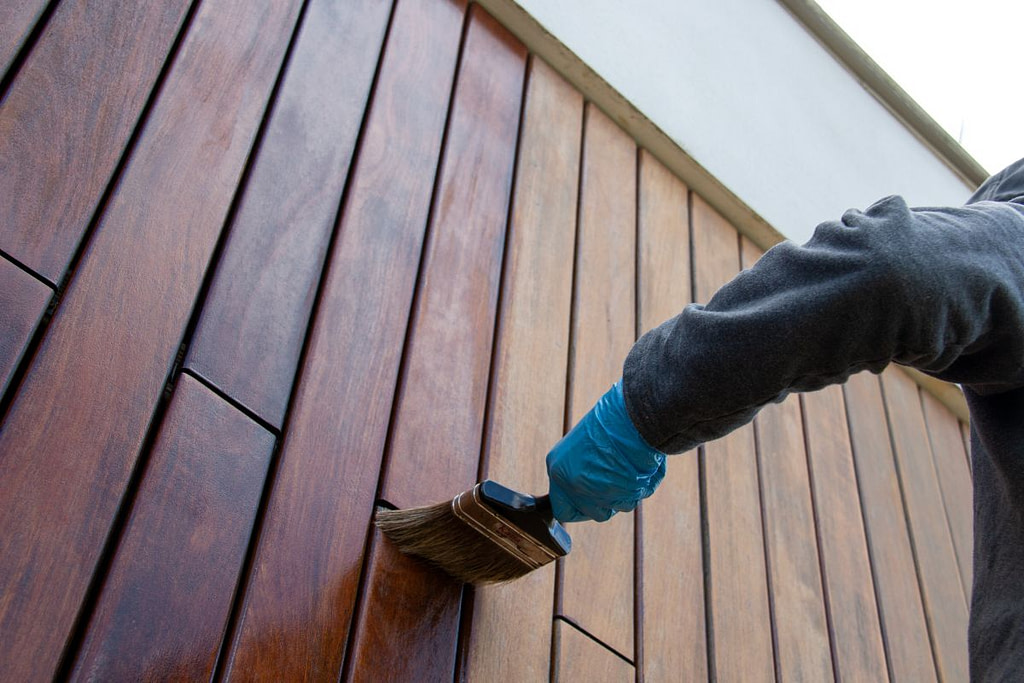
Some siding materials rely on protective coatings to resist weather exposure.
- Repaint when needed: Painted siding may require fresh coats over time.
- Inspect finishes: Look for fading or peeling paint.
- Seal exposed areas: Maintaining coatings helps prevent water intrusion.
Protective finishes extend the durability of many siding materials.
7. Repair Minor Damage Promptly
Small issues can become major repairs if they are ignored.
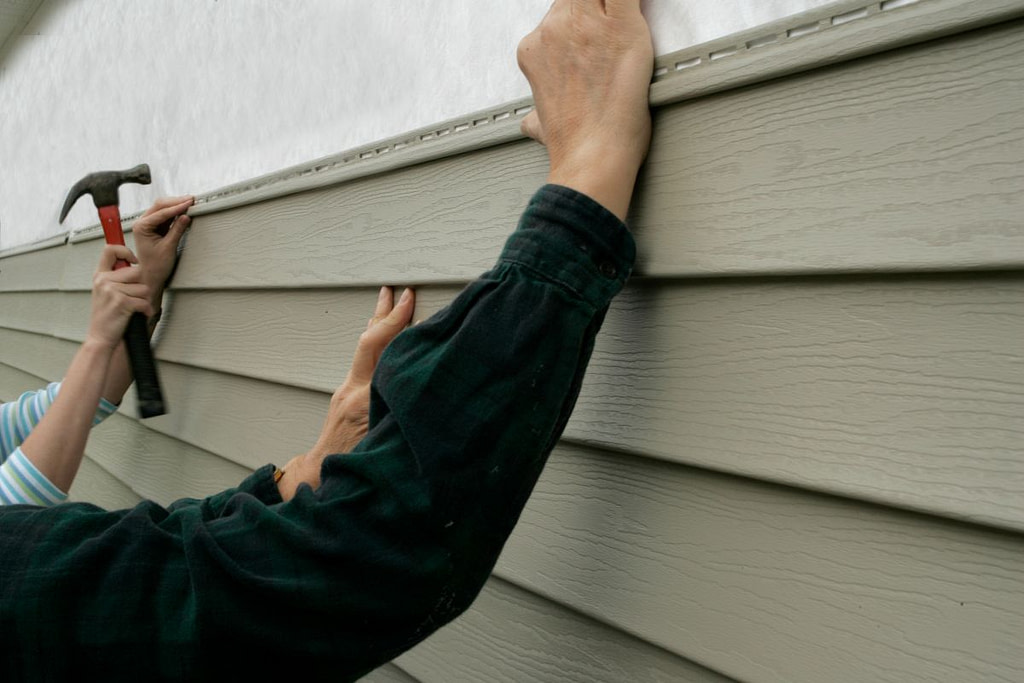
- Replace cracked panels: Damaged sections allow moisture behind the siding.
- Secure loose boards: Tighten fasteners to keep panels properly aligned.
- Seal small gaps: Caulking helps restore a tight weather barrier.
Prompt repairs help prevent long term structural problems.
8. Schedule Periodic Professional Inspections
Professional evaluations help identify hidden siding issues that homeowners might miss.
- Comprehensive inspections: Experts can assess siding, flashing, and drainage systems.
- Early problem detection: Professionals recognize subtle signs of damage.
- Long term maintenance planning: Routine inspections support preventative care.
Combining homeowner maintenance with professional evaluations provides the best protection for your home’s exterior.
Siding Maintenance by Material Type
Different siding materials require slightly different maintenance routines. Understanding how each material performs helps homeowners maintain them properly.
Vinyl Siding
- Low maintenance: Requires only periodic cleaning.
- Inspect for cracks: Temperature changes can occasionally cause panel damage.
- Avoid extreme pressure washing: Excessive pressure may loosen panels.
Vinyl siding is popular because it offers durability with minimal upkeep.
Fiber Cement Siding
- Durable surface: Resistant to pests and moisture.
- Occasional repainting: Some finishes may require repainting after many years.
- Inspect seams carefully: Ensure caulking remains intact.
Fiber cement siding offers strong protection with moderate maintenance.
Wood Siding
- Regular sealing: Paint or stain protects wood from moisture.
- Inspect for rot: Wood is more vulnerable to moisture damage.
- Monitor insect activity: Termites and carpenter ants may target untreated wood.
Wood siding provides natural beauty but requires more attention.
Metal Siding
- Highly durable: Resistant to many environmental factors.
- Inspect for scratches: Damaged coatings may allow corrosion.
- Clean periodically: Remove dirt and debris from surfaces.
Metal siding offers long lifespan with minimal maintenance requirements.
Seasonal Maintenance Tips
Seasonal checks help ensure siding remains protected throughout the year.
Spring Maintenance
- Inspect for winter damage: Snow and ice may loosen siding panels.
- Clean surfaces: Remove debris and mildew from siding.
- Check drainage: Ensure gutters function properly.
Spring inspections help identify damage caused by winter weather.
Fall Maintenance
- Prepare for winter: Repair loose siding before cold weather arrives.
- Clear leaves from gutters: Prevent water overflow.
- Trim branches: Reduce the risk of storm damage.
Fall preparation helps protect siding during harsh winter conditions.
Protect Your Exterior With Smart Maintenance
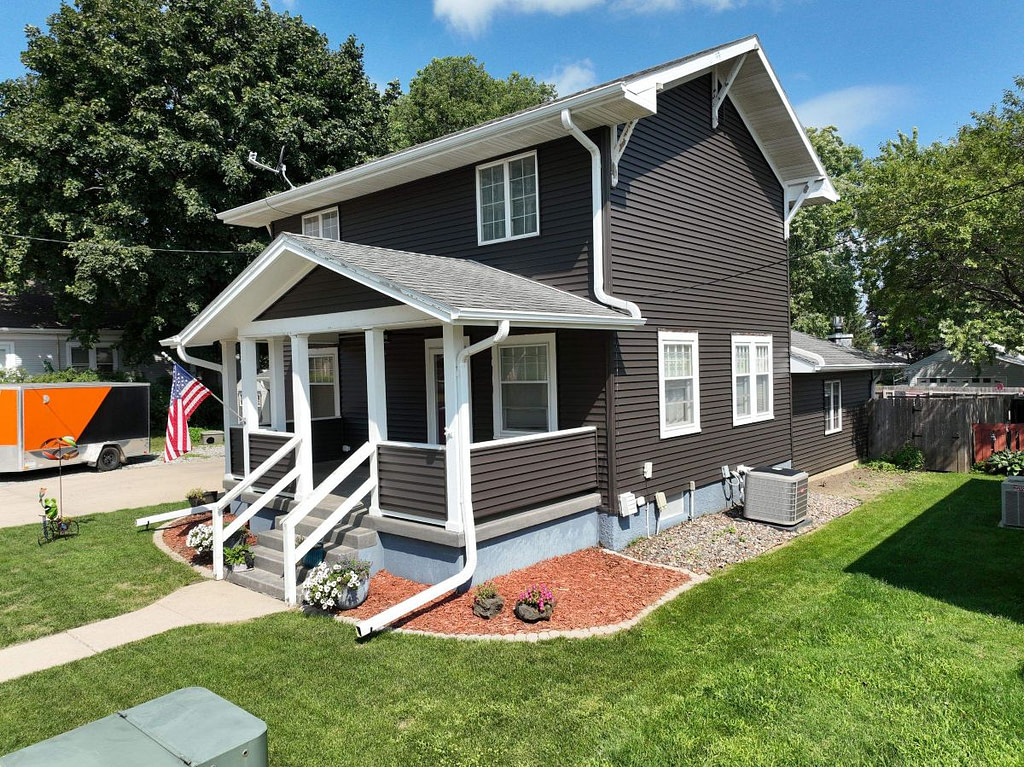
Consistent siding maintenance keeps your home protected from weather damage, moisture intrusion, and structural deterioration. By performing regular inspections, cleaning siding surfaces, and repairing small issues quickly, homeowners can significantly extend the life of their siding and preserve their home’s appearance.
Keep Your Home Looking Its Best With Young Construction
Maintaining your home’s exterior helps protect one of your most valuable investments. Understanding proper maintenance practices ensures your siding continues performing well and enhancing your home’s curb appeal.
Protect your home’s exterior with proactive care. Contact Young Construction today for a free estimate and learn how expert exterior solutions can help keep your home strong, efficient, and beautiful for years to come.