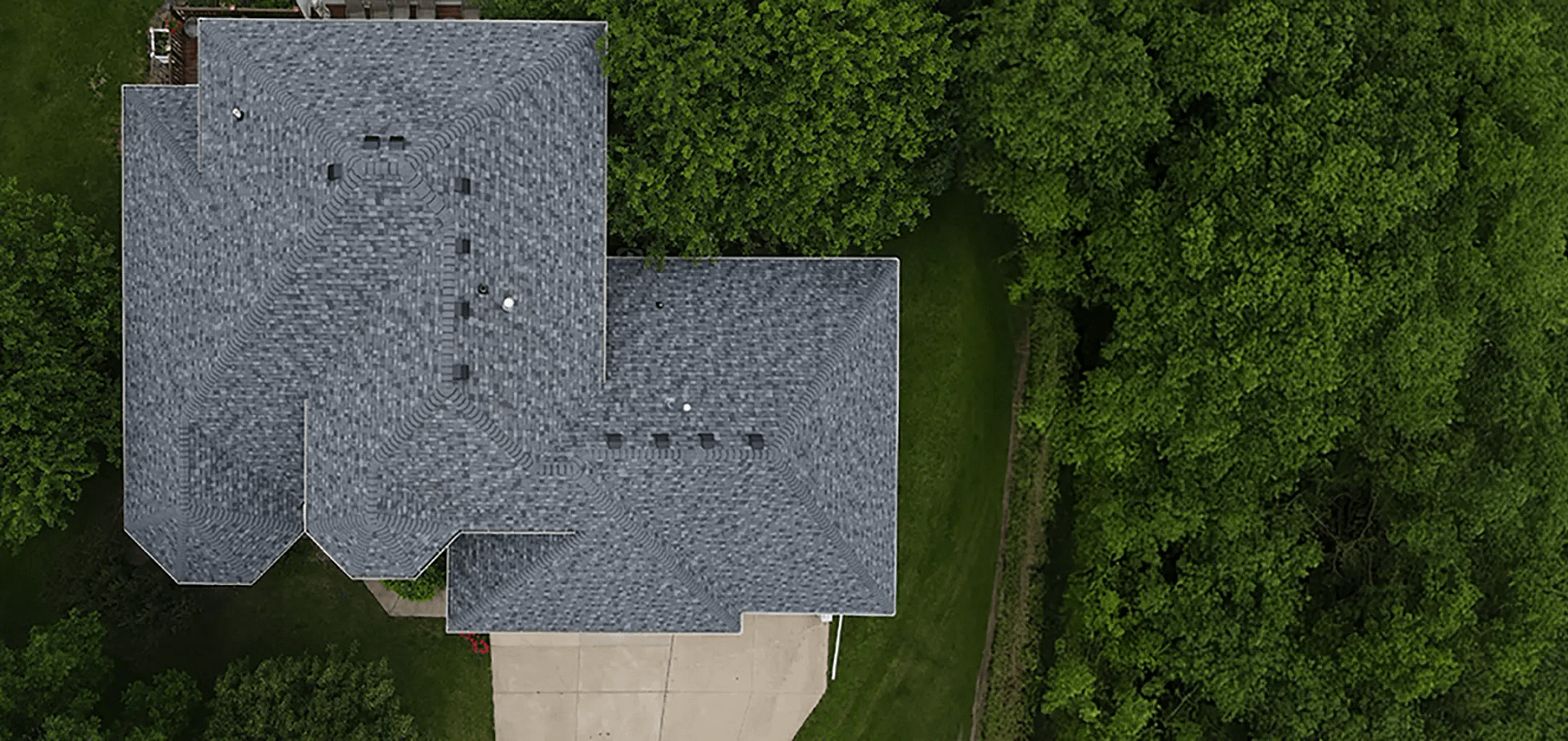
When exterior panels begin to crack, warp, or loosen, siding repair becomes essential to keep your home protected from moisture, pests, and structural damage. Siding acts as the outer shield of your home, protecting the framing and insulation from the elements while maintaining curb appeal. Knowing the most common types of siding damage and how they are fixed can help homeowners act quickly before small issues turn into expensive repairs.
- Exterior protection: Healthy siding keeps rain, wind, and debris from reaching your home’s structure.
- Energy efficiency: Properly maintained siding helps regulate indoor temperatures.
- Curb appeal: Repairing damaged panels keeps your home looking clean and well maintained.
Why Timely Siding Repair Matters
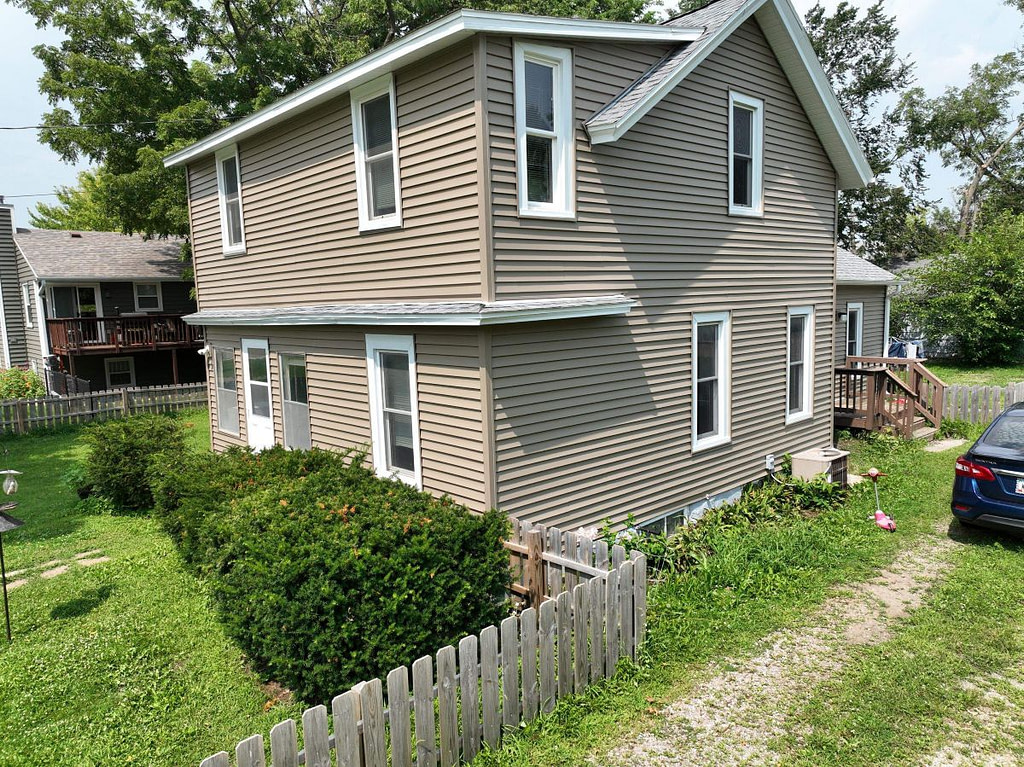
Siding damage rarely improves on its own. Small cracks, loose panels, or gaps allow moisture and air to enter behind the exterior wall system. Over time, this can lead to mold growth, insulation damage, and wood rot within the framing. Addressing issues early keeps repairs simple and prevents the need for full siding replacement.
Timely repairs also maintain your home’s appearance and resale value. A well maintained exterior signals that the property has been cared for properly. Regular inspections and quick fixes ensure your siding continues performing as intended for years to come.
7 Common Siding Damage Types and How They Are Fixed
Many siding problems are caused by weather exposure, aging materials, or impact from debris. Understanding the most frequent damage types helps homeowners recognize issues early and determine the best repair solution.
1. Cracked or Broken Panels
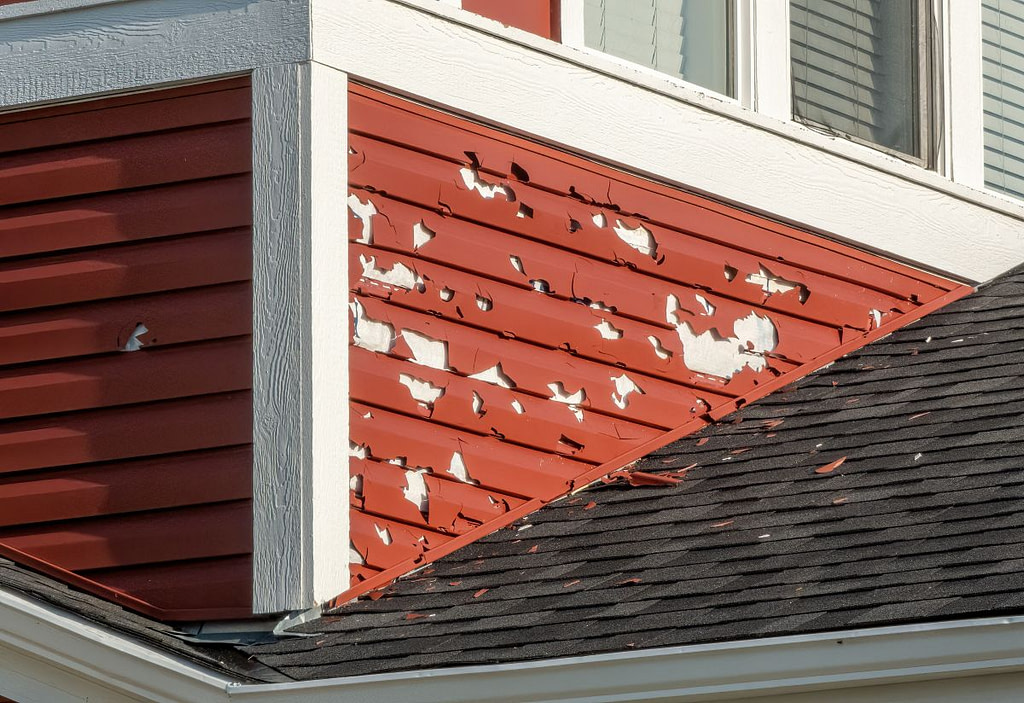
Cracks are one of the most common siding problems. They often appear after storms, hail impacts, or temperature expansion and contraction. Even small cracks can allow water to seep behind the siding.
- Cause: Storm debris, hail, temperature changes, or aging materials.
- Repair solution: Replace the damaged panel or section to restore a tight weather seal.
Repairing cracked panels promptly prevents moisture intrusion that could lead to structural damage.
2. Warped or Buckled Siding
Warping occurs when siding panels expand due to heat or moisture but lack enough room to move. Improper installation or aging materials can cause panels to bend or buckle outward.
- Cause: Poor installation, excessive heat, or trapped moisture.
- Repair solution: Remove affected panels and reinstall them with proper spacing and fastening.
Correcting the installation allows siding to expand and contract naturally without damaging the structure.
3. Loose or Missing Siding
High winds or aging fasteners can cause siding pieces to loosen or detach completely. Missing sections expose the home’s weather barrier and insulation to rain and wind.
- Cause: Storm damage, rusted fasteners, or deteriorated clips.
- Repair solution: Secure loose sections with proper fasteners or replace missing panels entirely.
Reattaching siding quickly helps maintain a continuous protective layer around the home.
4. Mold, Mildew, or Algae Growth
Dark streaks or green patches on siding usually indicate mold, mildew, or algae growth. These issues often occur in shaded areas where moisture remains on the surface for extended periods.
- Cause: Persistent moisture and limited sunlight exposure.
- Repair solution: Clean the affected area with appropriate cleaning solutions and inspect for trapped moisture behind panels.
Removing biological growth protects the siding material and prevents deeper structural issues.
5. Rotting Wood Siding
Wood siding offers classic charm but can develop rot if moisture penetrates the surface. Rot weakens the material and can spread to nearby sections if not repaired quickly.
- Cause: Water infiltration, peeling paint, or poor sealing.
- Repair solution: Remove rotted sections and replace them with new treated wood or alternative siding materials.
Repairing rot early prevents damage from spreading into the wall structure beneath.
6. Faded or Peeling Finish
Over time, sun exposure and weather can fade siding colors or cause paint to peel. While this is often cosmetic, it may also indicate the protective coating has worn away.
- Cause: UV exposure, aging materials, or inadequate finishing.
- Repair solution: Clean the surface and repaint or refinish the siding to restore protection.
Maintaining the exterior coating protects the siding from moisture and prolongs its lifespan.
7. Pest or Insect Damage
Certain siding materials can become vulnerable to insects or pests if cracks or gaps are present. Small holes or chew marks may indicate termites, ants, or rodents have entered the exterior wall area.
- Cause: Gaps in siding, deteriorating materials, or nearby vegetation.
- Repair solution: Seal entry points, repair damaged panels, and address any pest issues.
Closing these openings restores the protective barrier and prevents further damage.
Materials That Commonly Require Siding Repair
Different siding materials experience different types of damage over time. Understanding how each performs helps homeowners anticipate maintenance needs and choose repair strategies.
Vinyl Siding
- Durability: Resistant to moisture and insects.
- Typical damage: Cracks from impact or extreme temperature shifts.
- Repair approach: Individual panels can often be replaced without disturbing surrounding sections.
Vinyl siding repairs are typically straightforward because the panels are designed to interlock.
Fiber Cement Siding
- Durability: Extremely strong and weather resistant.
- Typical damage: Chips or cracks from heavy impacts.
- Repair approach: Replace damaged boards and repaint to match surrounding sections.
Fiber cement siding repairs are durable when installed and sealed correctly.
Wood Siding
- Durability: Natural appearance but vulnerable to moisture.
- Typical damage: Rot, insects, and peeling paint.
- Repair approach: Replace damaged boards and apply fresh protective coatings.
Regular sealing and painting help wood siding resist weather damage.
Metal Siding
- Durability: Strong resistance to fire, pests, and weather.
- Typical damage: Dents, scratches, or corrosion in extreme conditions.
- Repair approach: Replace dented panels or refinish scratched surfaces.
Metal siding offers long service life when properly maintained.
How Homeowners Can Prevent Siding Damage
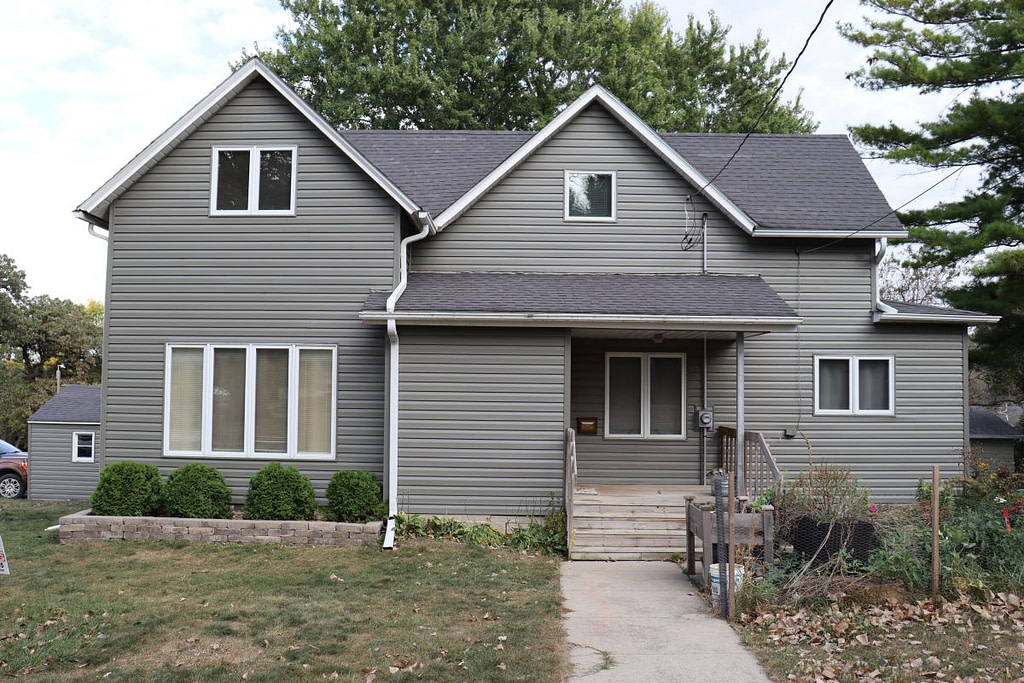
Preventive maintenance plays a major role in extending the life of your siding. Small steps taken regularly can reduce the need for major repairs.
Routine Inspections
- Check annually: Look for cracks, loose panels, or gaps.
- Inspect after storms: Wind and debris may cause hidden damage.
- Examine seams: Ensure panels remain tightly secured.
Regular inspections help identify small issues before they worsen.
Maintain Clean Surfaces
- Wash siding periodically: Remove dirt, algae, and mildew buildup.
- Trim nearby vegetation: Prevent branches from scraping the siding.
- Clear gutters: Proper drainage reduces moisture exposure.
Clean siding maintains both protection and curb appeal.
Address Problems Quickly
- Repair small cracks early: Prevent moisture intrusion.
- Replace damaged sections: Restore the siding barrier promptly.
- Monitor interior walls: Watch for signs of leaks or mold.
Prompt action keeps minor siding damage from escalating into structural repairs.
Restore Your Home’s Exterior With Confidence
Timely siding repair protects your home from moisture damage, energy loss, and structural deterioration. By understanding the most common siding issues and how they are fixed, homeowners can take proactive steps to maintain a strong and attractive exterior. Routine inspections and quick repairs help ensure your siding continues performing effectively for many years.
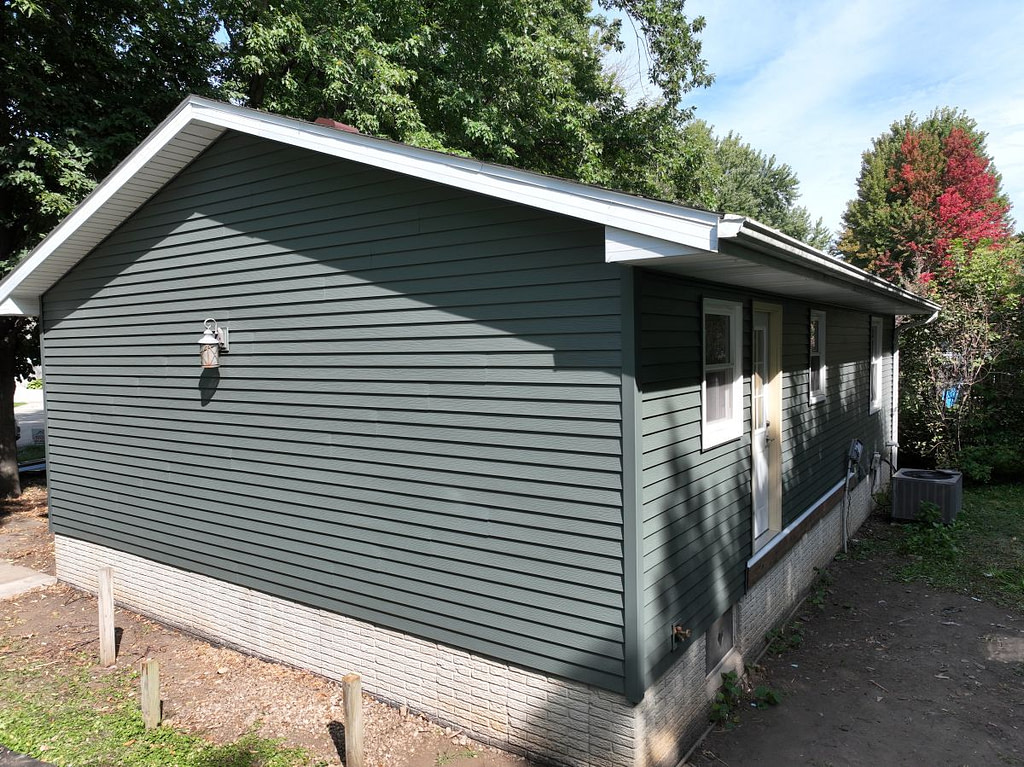
Strengthen Your Home’s Exterior Protection With Young Construction
A strong home exterior begins with properly maintained siding. When small problems appear, addressing them quickly helps preserve your home’s structural integrity and curb appeal.
Your home deserves an exterior that protects and enhances its value. Contact Young Construction today for a free estimate and learn how expert guidance can help keep your home’s siding strong, efficient, and visually appealing for years to come.