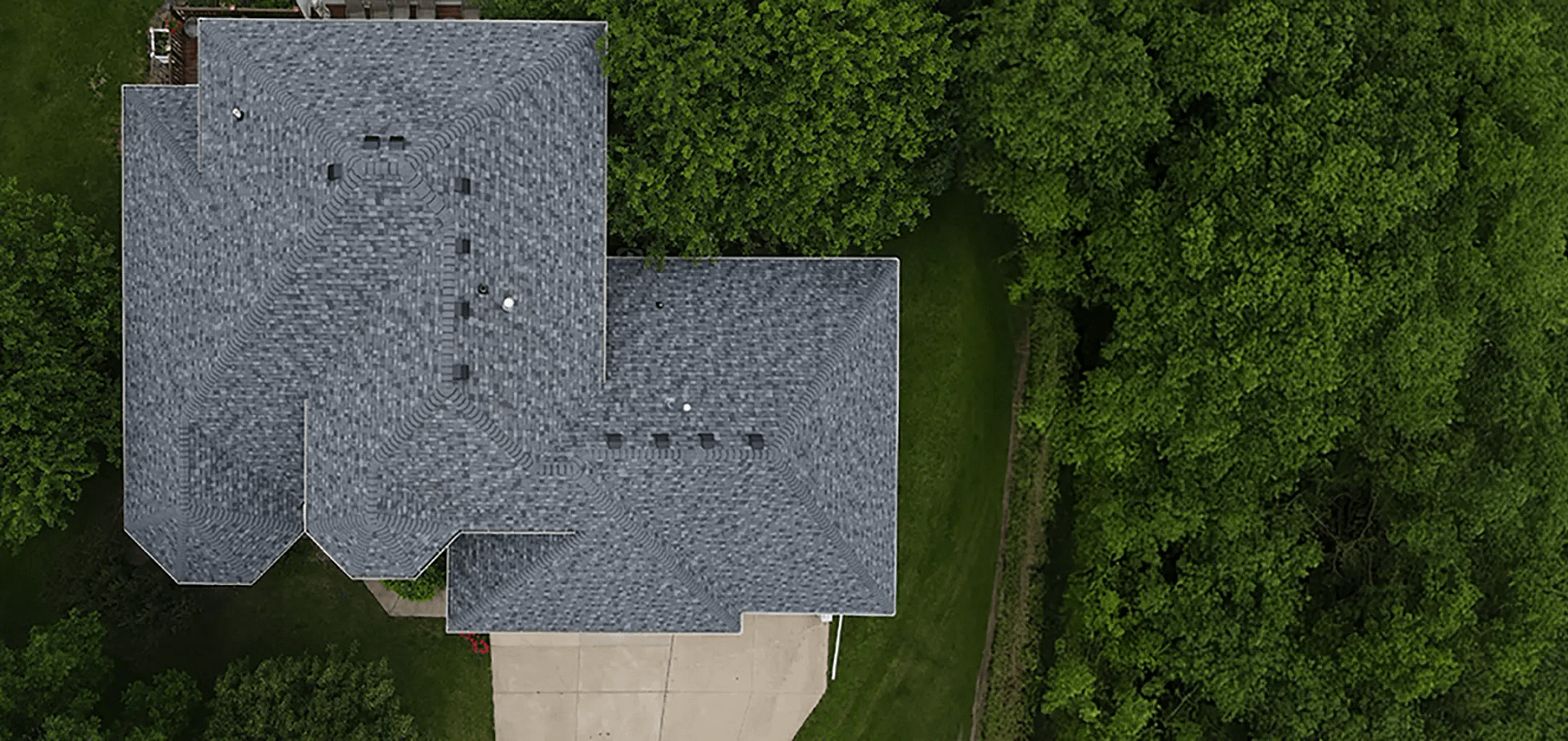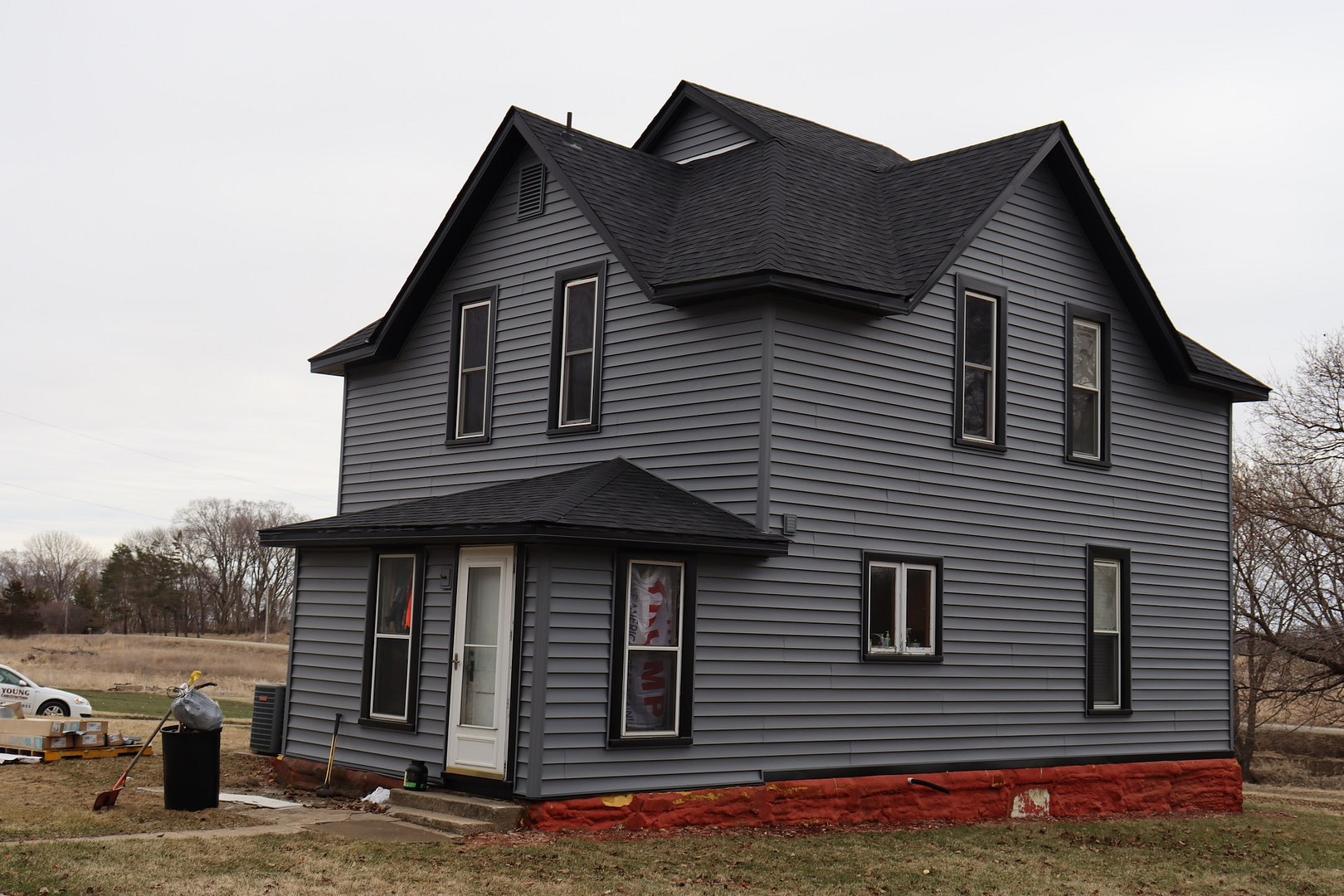
If your home’s exterior is beginning to show wear, it might be time to consider siding replacement. Your siding is more than just a visual feature; it’s a critical layer of protection that shields your home from moisture, wind, and temperature fluctuations. When siding begins to fail, it can lead to structural damage, energy loss, and decreased curb appeal.
- Longevity check: Knowing when to replace siding helps prevent hidden structural damage.
- Energy efficiency: New siding can reduce heating and cooling costs.
- Home value: Fresh siding upgrades both appearance and resale potential.
Why Siding Replacement Matters
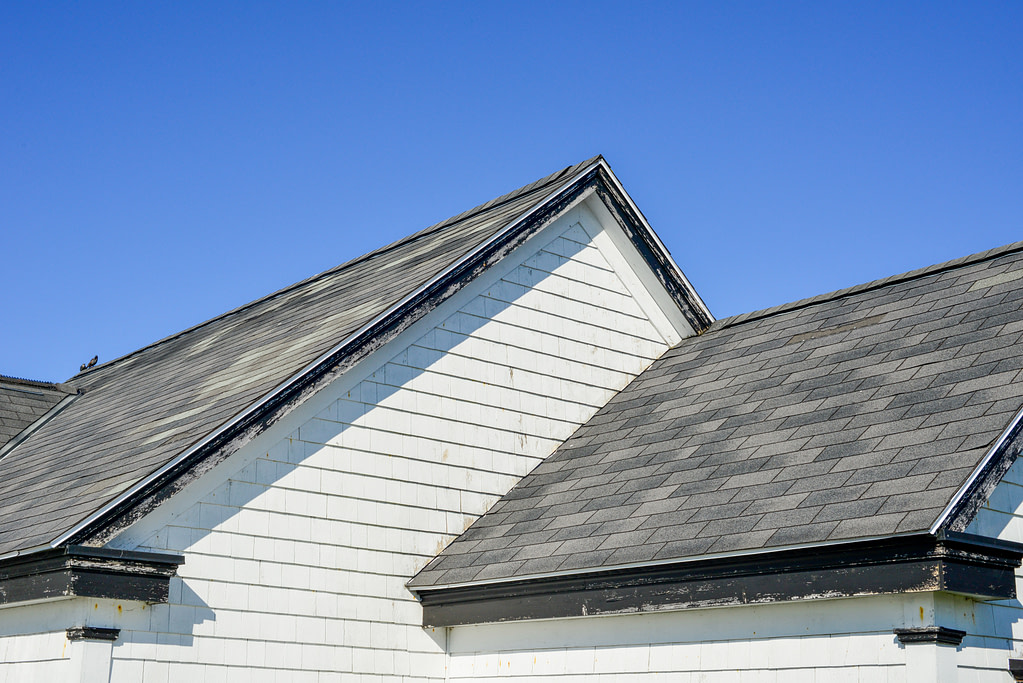
Siding serves as your home’s first line of defense against the elements. Over time, even high-quality materials can break down from exposure to sun, rain, snow, and wind. Regular maintenance helps extend its lifespan, but once damage becomes widespread, full replacement may be the best option.
Replacing old siding can drastically improve your home’s appearance, reduce maintenance needs, and enhance insulation performance. It also gives homeowners the opportunity to modernize their exterior style while improving overall protection.
9 Signs You Need Siding Replacement
Knowing when your siding has reached the end of its lifespan can save you from expensive repairs later. Here are the most common signs that indicate it’s time for an upgrade.
1. Cracked, Warped, or Loose Panels
Visible cracks or warped boards are among the most obvious signs your siding is deteriorating. These gaps allow water to penetrate behind the panels, leading to rot and mold.
- Why it matters: Moisture infiltration can compromise your wall structure.
- What to do: Replace damaged panels promptly or consider a full upgrade if large sections are affected.
Once panels start shifting or detaching, it’s often more cost-effective to replace all siding for long-term durability.
2. Fading or Discoloration
Faded siding is not just an aesthetic issue. It often signals that the material’s weatherproof coating has worn down, leaving it more vulnerable to UV damage and moisture.
- Why it matters: Loss of color protection means the material is nearing the end of its life.
- What to do: Look for uneven color changes and fading on sun-exposed sides of your home.
Modern siding options feature UV-resistant finishes that maintain color for decades.
3. Increasing Energy Bills
If your energy costs have been climbing, your siding could be partly to blame. Older materials often lose their insulating properties, allowing heat to escape in winter and enter in summer.
- Why it matters: Poor insulation leads to higher energy consumption and reduced comfort.
- What to do: Consider upgrading to insulated vinyl or fiber cement siding for better efficiency.
Energy-efficient siding helps maintain a consistent indoor temperature year-round.
4. Rot or Mold Growth
Rotting or moldy siding is a serious issue that can spread quickly beneath the surface. Moisture that seeps behind panels often leads to decay and weakens your home’s structure.
- Why it matters: Rot undermines the protective barrier between your interior and the elements.
- What to do: Replace affected areas immediately to prevent further damage.
Inspecting your siding after heavy rain helps catch mold growth early.
5. Peeling Paint or Interior Wall Damage
If you notice peeling paint, bubbling wallpaper, or damp spots inside your home, it could mean your siding has failed to keep out moisture.
- Why it matters: Moisture entering the walls can cause interior damage and poor air quality.
- What to do: Check the siding exterior for cracks or warped boards near the affected area.
Interior damage often indicates siding issues that are not visible from outside.
6. Pest Infestation
Holes or gaps in your siding provide easy entry points for pests like termites, ants, or rodents. Once inside, they can damage insulation and wiring.
- Why it matters: Pest activity can accelerate siding decay and increase repair costs.
- What to do: Seal small gaps immediately and schedule an inspection for larger infestations.
Modern siding materials are designed to resist pests and minimize entry points.
7. Frequent Painting or Repairs
If you find yourself repainting or repairing your siding every few years, it’s likely time for a replacement. Durable modern materials require far less maintenance.
- Why it matters: Repeated upkeep is costly and time-consuming.
- What to do: Replace older wood or metal siding with low-maintenance alternatives like vinyl or fiber cement.
Upgrading reduces the need for constant scraping, repainting, and sealing.
8. Bubbling or Blistering
Bubbles or blisters beneath your siding surface indicate that water or heat is trapped behind the material. This is a common issue with older or improperly installed siding.
- Why it matters: Trapped moisture leads to rot and weakened insulation.
- What to do: Replace damaged sections and check for poor ventilation behind the siding.
Blistering often appears after prolonged exposure to heat or humidity, especially on south-facing walls.
9. Outdated or Unattractive Appearance
Sometimes, siding replacement is about more than damage. Outdated styles or faded colors can make a home look older than it is. Modern materials offer sleek finishes, bold color choices, and wood-look textures that elevate curb appeal.
- Why it matters: Fresh siding improves resale value and enhances first impressions.
- What to do: Explore updated designs in vinyl, fiber cement, or engineered wood for a long-lasting upgrade.
A siding refresh can dramatically change your home’s exterior aesthetic.
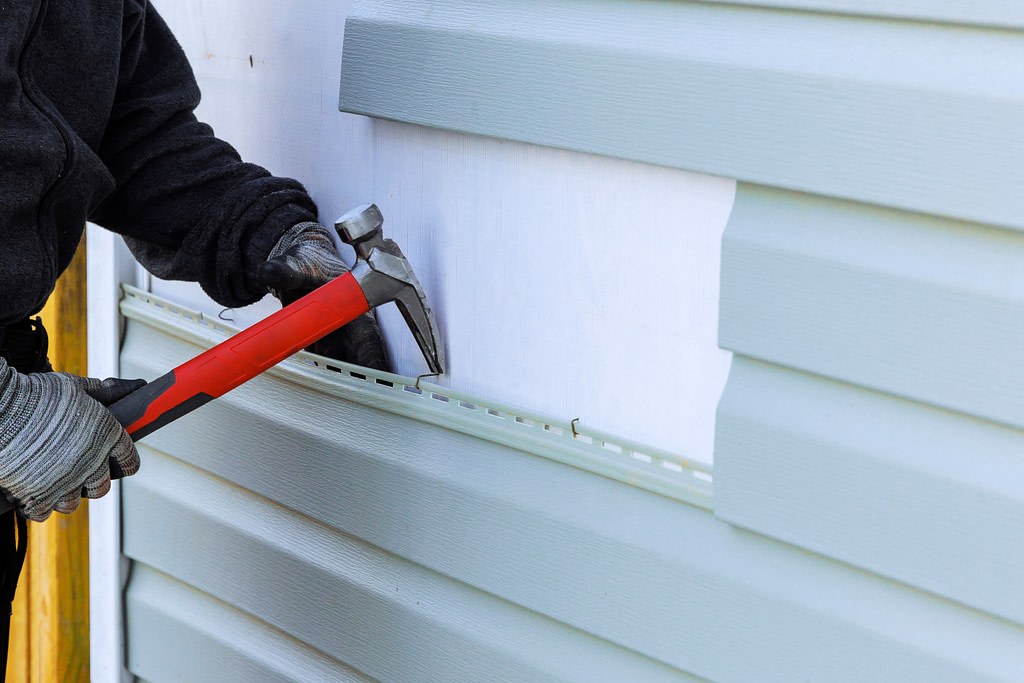
How Siding Replacement Benefits Your Home
Upgrading your siding provides benefits that go beyond appearance. Homeowners often see improvements in comfort, efficiency, and property value after replacement.
Enhanced Energy Efficiency
- Better insulation: Modern siding prevents air leakage and stabilizes indoor temperatures.
- Lower energy bills: Reduced heating and cooling demand saves money year-round.
- Environmental impact: Energy-efficient homes consume fewer resources.
Energy savings help offset the cost of replacement over time.
Improved Home Protection
- Water resistance: New siding materials keep moisture out and protect underlying structures.
- Pest prevention: Tight-fitting panels eliminate entry points for insects.
- UV protection: Weather-resistant coatings extend the lifespan of your exterior.
Enhanced durability ensures your home can withstand harsh conditions with minimal maintenance.
Increased Property Value
- Curb appeal: Fresh siding creates an updated, polished look.
- Buyer confidence: Prospective buyers appreciate low-maintenance exteriors.
- ROI potential: Siding replacement often returns more than 70% of its cost at resale.
Replacing your siding can be one of the most rewarding investments for both comfort and resale purposes.
Choosing the Right Siding Material
Selecting the right siding material ensures your home gets the perfect balance of style and strength. Each option comes with unique advantages depending on your climate and maintenance preferences.
Vinyl Siding
- Affordable: Budget-friendly and widely available.
- Low maintenance: Requires minimal cleaning or painting.
- Durable: Resistant to pests and moisture.
Vinyl remains a top choice for homeowners seeking long-term value without high upkeep.
Fiber Cement Siding
- Long-lasting: Can last 30 to 50 years with proper care.
- Fire-resistant: Offers excellent protection in high-risk areas.
- Stylish options: Available in a variety of textures and finishes.
Fiber cement siding combines resilience and beauty for a timeless exterior.
Engineered Wood Siding
- Authentic look: Mimics real wood grain with added durability.
- Weather-resistant: Treated for moisture and rot resistance.
- Eco-friendly: Often made from sustainable materials.
Engineered wood offers the warmth of wood without its traditional weaknesses.
Metal Siding
- Strong protection: Resists extreme weather and pests.
- Modern appeal: Provides a sleek, industrial look.
- Low maintenance: Rarely needs refinishing or replacement.
Metal siding is an ideal choice for homeowners seeking modern aesthetics with exceptional durability.
Refresh Your Home’s Look With Confidence
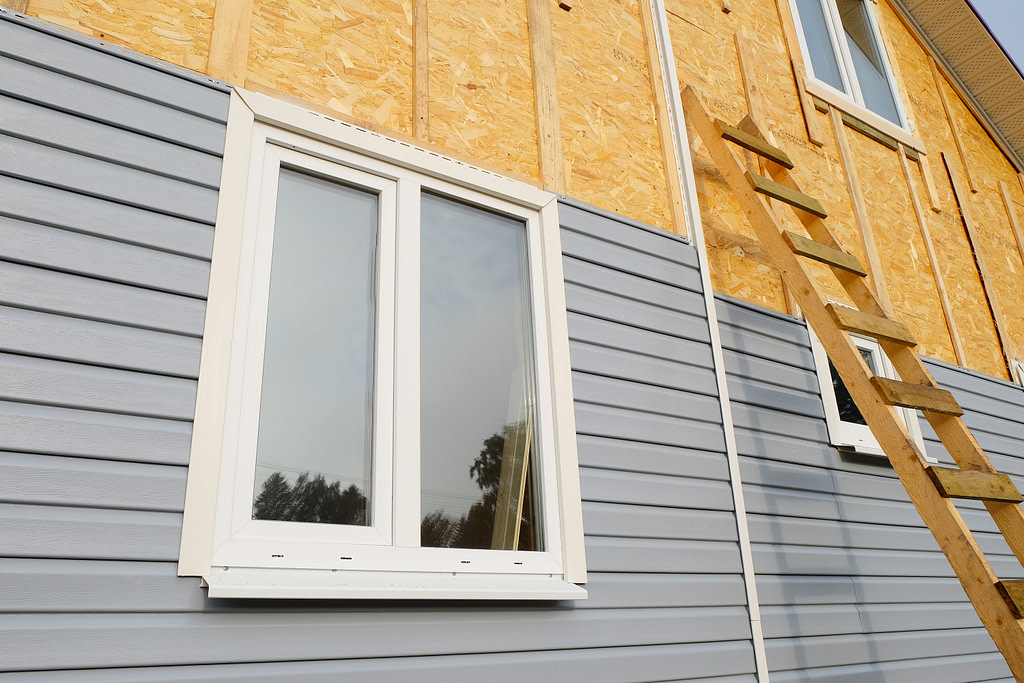
A well-timed siding replacement does more than repair exterior wear. It revitalizes your home’s appearance, improves insulation, and enhances property value for years to come. Whether your siding is showing signs of damage or simply looks outdated, upgrading is an investment that pays off in comfort and curb appeal.
When your home’s exterior needs a fresh start, rely on a team that understands both performance and style. Contact Young Construction today for a free estimate and discover how new siding can transform your home’s look, protection, and value for decades to come.