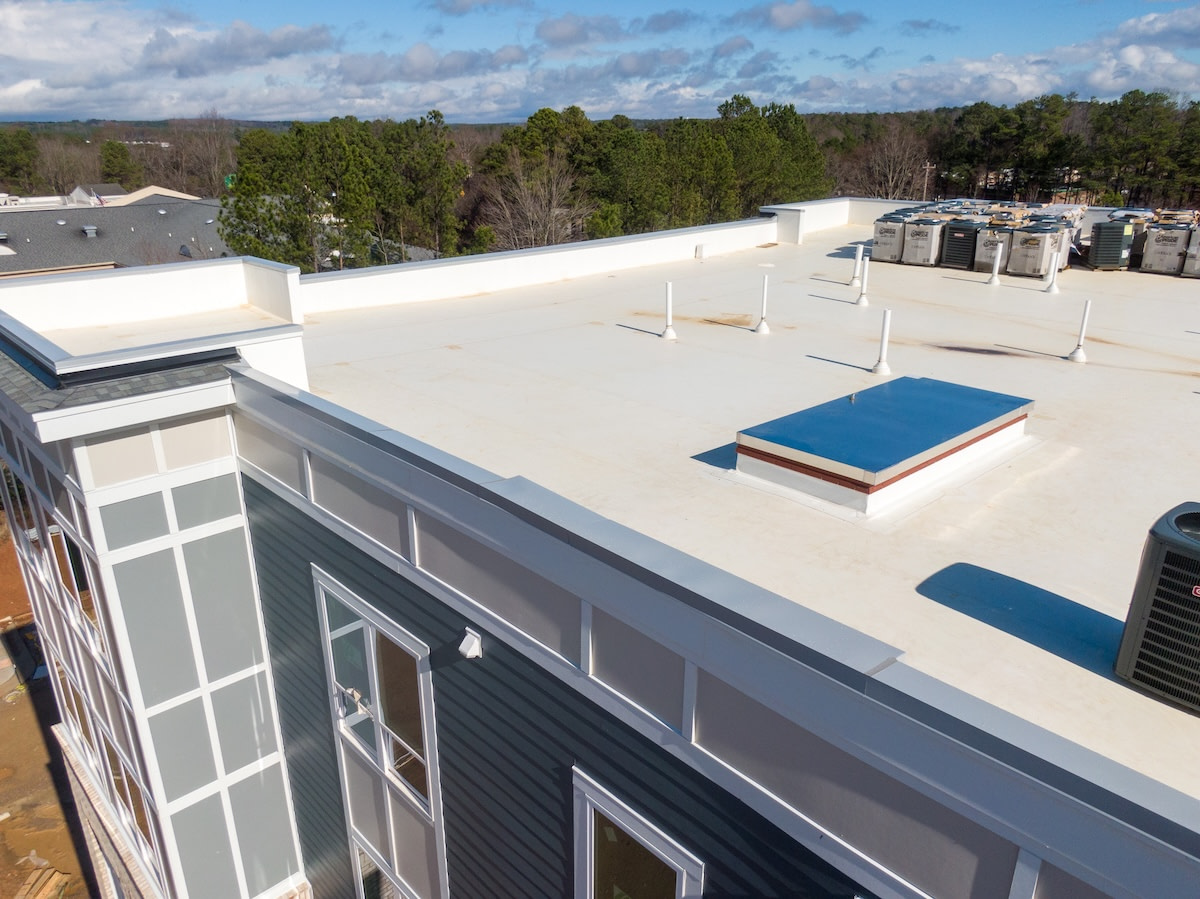
When considering durable and cost-effective roofing solutions, single ply roofing is often one of the top choices for many property owners. Known for its simplicity, versatility, and efficiency, this type of roofing system has become increasingly popular in the commercial roofing industry. Whether you’re planning a new installation or looking to replace an old roof, single ply systems offer many advantages worth exploring.
Here, we’ll cover everything from what single ply roofing is to its lifespan, installation process, and the benefits it brings to modern roofing projects. This guide will help you determine whether this option is right for your needs.
What this blog covers:
- A comprehensive overview of single ply roofing systems
- The lifespan and durability of single ply membranes
- A breakdown of the installation process and essential details
🏠 Overview of Single Ply Roofing
Single ply roofing is a type of roofing system made from resilient and flexible membranes. These membranes are laid in a single layer over the roof deck and are designed to provide protection, insulation, and durability. Unlike traditional roofing materials that may use multiple layers, single ply systems are streamlined and lightweight while offering high-performance functionality.
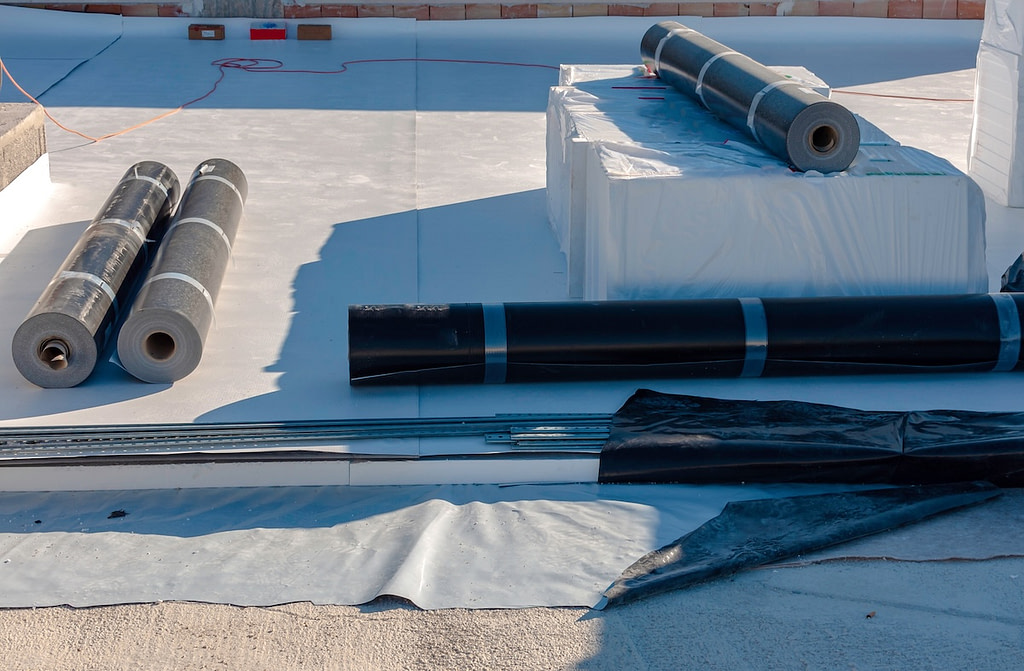
Types of Single Ply Roofing Membranes
Single ply roofing systems are available in two primary types of membranes, each with unique characteristics and benefits:
- Thermoplastic Membranes: These include polyvinyl chloride (PVC) roofing systems and thermoplastic polyolefin (TPO) membranes. Thermoplastic membranes are heat-welded at the seams, making them highly resistant to water and environmental hazards.
- Thermoset Membranes: This type includes ethylene propylene diene monomer (EPDM) membranes. Known for their flexibility and resistance to UV rays, EPDM membranes are often a great choice for areas exposed to intense sunlight or severe climates.
Both thermoplastic and thermoset single ply membranes have their uses depending on the specific needs of your roofing project.
Benefits of Single Ply Roofing Systems
Single ply roofing systems are gaining popularity in the commercial roofing industry and for good reason. Here’s why they’re a standout choice:
- Cost-Effective: Single ply roofing materials are relatively affordable and offer long-term savings due to their durability.
- Lightweight Design: The membranes are thin and lightweight, reducing stress on the roof deck and the entire structure.
- Energy Efficiency: Certain single ply systems, including many PVC membranes, are designed to reflect sunlight, which helps lower cooling costs.
- Durable and Weather-Resistant: These systems are highly resistant to water, chemicals, and harsh weather conditions.
- Easy Maintenance: Repairs and regular maintenance of single ply membranes are often simpler compared to multi-layered roofing systems.
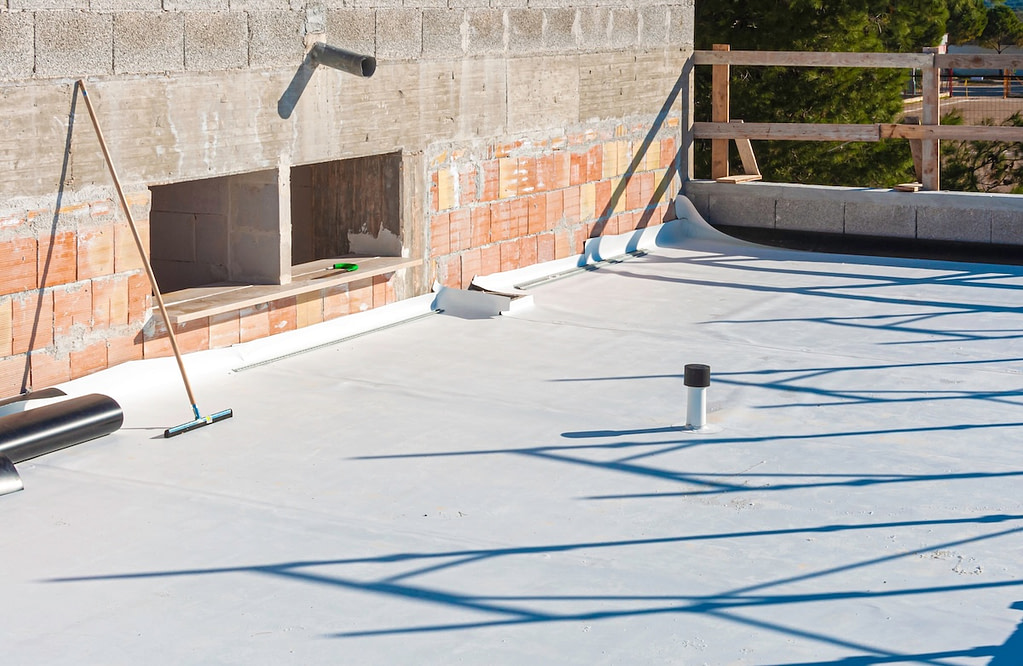
⏳ Lifespan and Durability of Single Ply Roofing
The lifespan of single ply roofing depends on several factors, including the type of membrane used, the quality of installation, and the maintenance provided over time. On average, a well-maintained single ply roofing system can last anywhere between 20 to 30 years.
Factors That Influence Lifespan
- Material Quality: PVC roofing systems tend to have a longer lifespan compared to other single ply roofing materials, thanks to their high resistance to wear and tear.
- Environmental Conditions: Roofs exposed to extreme weather, such as intense sunlight, heavy rainfall, or snow, may require more frequent checkups and repairs.
- Installation Standards: A properly installed roofing system is critical to achieving maximum durability. Hiring experienced installers ensures the seams are perfectly sealed, preventing leaks and damage.
Signs It’s Time for Replacement
Even the most resilient single ply systems will eventually need replacing. Look for these signs:
- Cracks or tears in the membrane
- Persistent leaks or water pooling
- Loss of flexibility in the roofing material
- Worn or damaged seams
Routine inspections and prompt minor repairs can help extend the life of your roofing system.
🛠️ How to Install Single Ply Roofing
Proper installation is key to enjoying all the benefits of single ply roofing. Below is a breakdown of the general process:
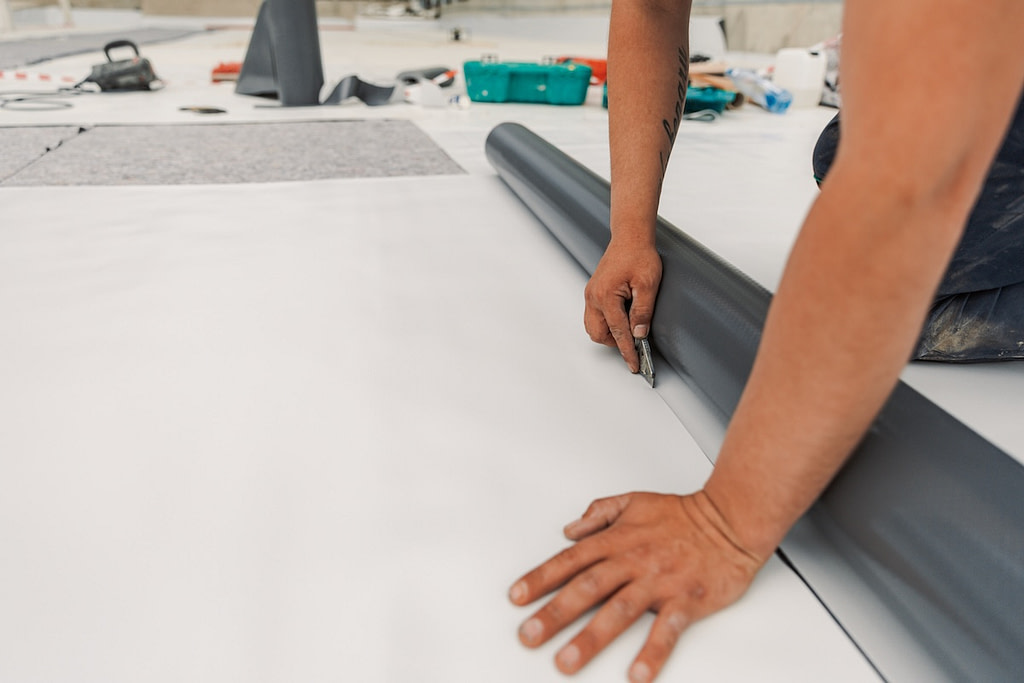
Preparing the Roof Deck
- Clean and Inspect: Ensure the roof deck is clean, dry, and free of debris.
- Install Insulation: Lay insulation boards if required, which not only improve energy efficiency but also provide a stable base for the membrane.
Installing the Membrane
This process varies depending on the type of single ply roofing material you choose, but in general, the following steps are involved:
- Lay Out the Membrane: Unroll the membrane and position it on the roof deck.
- Secure the Material: Use adhesives, mechanical fasteners, or ballast systems to secure the membrane in place.
- Seal the Seams: For thermoplastic membranes like PVC, heat-weld the seams to create a watertight seal. Thermoset membranes like EPDM typically use adhesive seam tapes.
Final Inspection
Once installation is complete, conduct a thorough inspection to ensure the roofing materials are properly secured, seams are tightly sealed, and there are no visible defects.
✅ Comparing Single Ply Membranes
When choosing a single ply system, understanding the differences between membrane types is vital. Here’s how PVC, TPO, and EPDM stack up against each other:
- PVC Membranes
- Excellent weatherproofing capabilities.
- Highly durable and resistant to chemicals.
- Reflect sunlight, reducing energy usage.
- Best for commercial roofs with frequent exposure to water or chemicals.
- TPO Membranes
- Combines the long-lasting durability of PVC with the flexibility of EPDM.
- Heat-welded seams provide added leak resistance.
- Ideal for those seeking an eco-friendly option.
- EPDM Membranes
- Offers excellent resistance to UV rays and extreme temperature ranges.
- Lower upfront costs compared to PVC membranes.
- Requires adhesive seam taping instead of heat welding.
Each option has its strengths and weaknesses, so consulting with a roofing professional can help determine which is most appropriate for your building.
⭐️ Why Choose Young Construction for Your Roofing Needs
When it comes to roofing your home or commercial property, quality and expertise matter. At Young Construction, we pride ourselves on being a trusted partner in the roofing industry. Here’s why we are chosen time and time again:
- Expertise Across Roof Types: With years of experience installing single ply systems and other roofing materials, we bring technical precision and knowledge to every project.
- Tailored Solutions: We understand that each roofing project is unique. Our team works with you to identify the best solution based on your needs and preferences.
- Customer-First Approach: Your satisfaction is our priority! That’s why we invest in clear communication, surpass expectations, and deliver high-quality craftsmanship.
Your roof is an investment in your property’s future. Trust Young Construction to install a roofing system that delivers unmatched durability and aesthetic appeal.
Contact us today and learn more about the roofing solutions we offer!