Spray foam insulation cost in 2026 typically runs between $1.00 and $4.50 per square foot installed, with most whole-home jobs landing around $6,000 depending on the type of foam, the size of the area, and how thick the application needs to be. While spray foam carries a higher upfront price than fiberglass or blown-in insulation, it delivers superior air sealing, a higher R-value per inch, and energy savings that pay back over time. Understanding what drives the price helps you budget realistically and recognize a fair quote when you receive one. Here is what this guide covers:
- Average pricing: What spray foam insulation costs per square foot and per job in 2026.
- Cost drivers: The factors that move your price up or down, from foam type to accessibility.
- Value over time: How energy savings offset the higher upfront investment.
What Is the Average Spray Foam Insulation Cost in 2026?
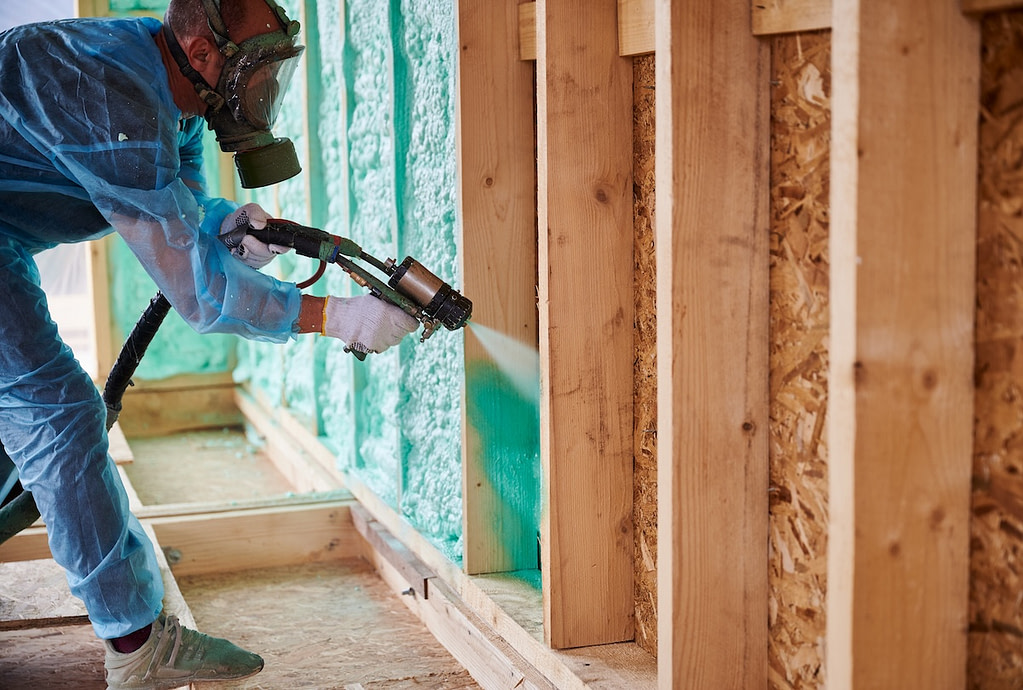
The average spray foam insulation cost in 2026 falls between $1.00 and $4.50 per square foot installed, with whole-home jobs commonly totaling around $6,000. The single biggest variable is whether you choose open-cell or closed-cell foam, since the two differ substantially in density, performance, and price.
How Much Does Spray Foam Cost by Area Size?
Spray foam insulation cost scales with the size of the area being insulated, with total professional jobs generally ranging from about $1,500 to $6,000. A small area around 500 square feet typically runs $1,500 to $2,500, a medium 1,200 square foot space lands around $2,500 to $4,000, and a large 2,500 square foot area often reaches $4,500 to $6,000. These figures include both materials and labor, though complexity, thickness, and local rates all shift the final number. Whole-home applications can climb higher when areas like attics, rim joists, and basement walls are combined. Homeowners in Waverly and surrounding areas can use these ranges as a planning starting point before getting a precise quote.
- Small area (around 500 sq ft): Roughly $1,500 to $2,500 installed.
- Medium area (around 1,200 sq ft): Approximately $2,500 to $4,000.
- Large area (around 2,500 sq ft): Generally $4,500 to $6,000.
- Whole-home applications: Often near $6,000 or more across combined areas.
How Is Spray Foam Insulation Priced?
Spray foam insulation is most often priced by the board foot, which equals one square foot of coverage at one inch of thickness, then totaled for materials and labor. This board-foot method is why thickness matters so much, since adding inches to hit a higher R-value directly multiplies the material needed. Contractors may also quote by the square foot or as a total installed price, so it helps to confirm which unit a quote uses before comparing bids. Labor typically accounts for 30 to 50 percent of the total, often $50 to $100 per hour. Knowing how pricing works lets you compare estimates apples to apples.
- Board foot basis: One square foot at one inch thick, the standard unit for foam.
- Thickness multiplier: More inches for a higher R-value raises material cost directly.
- Quote format: Confirm whether pricing is per board foot, per square foot, or total.
- Labor share: Roughly 30 to 50 percent of the total, around $50 to $100 per hour.
Open-Cell vs Closed-Cell: How Foam Type Affects Cost
The choice between open-cell and closed-cell foam is the largest single factor in your spray foam cost, since closed-cell typically costs about two to three times more per board foot. Each type suits different applications, so the right pick balances budget against the performance your space actually needs.
What Does Open-Cell Spray Foam Cost?
Open-cell spray foam is the more affordable option, generally costing about $0.40 to $0.65 per board foot for materials, which translates to roughly $1.40 to $2.28 per square foot for a standard 3.5-inch wall cavity. It is lighter and more flexible, with an R-value around 3.5 to 3.8 per inch, and it expands to fill irregular gaps while providing excellent sound dampening. Open-cell is well suited to interior walls and ceilings where moisture resistance is less critical and budget matters more. The tradeoff is a lower R-value per inch and less moisture resistance than closed-cell. For many interior applications, it offers strong value.
- Lower material cost: About $0.40 to $0.65 per board foot.
- Wall-cavity pricing: Roughly $1.40 to $2.28 per square foot at 3.5 inches.
- R-value per inch: Around 3.5 to 3.8, suited to interior use.
- Best for: Interior walls, ceilings, and soundproofing on a budget.
What Does Closed-Cell Spray Foam Cost?
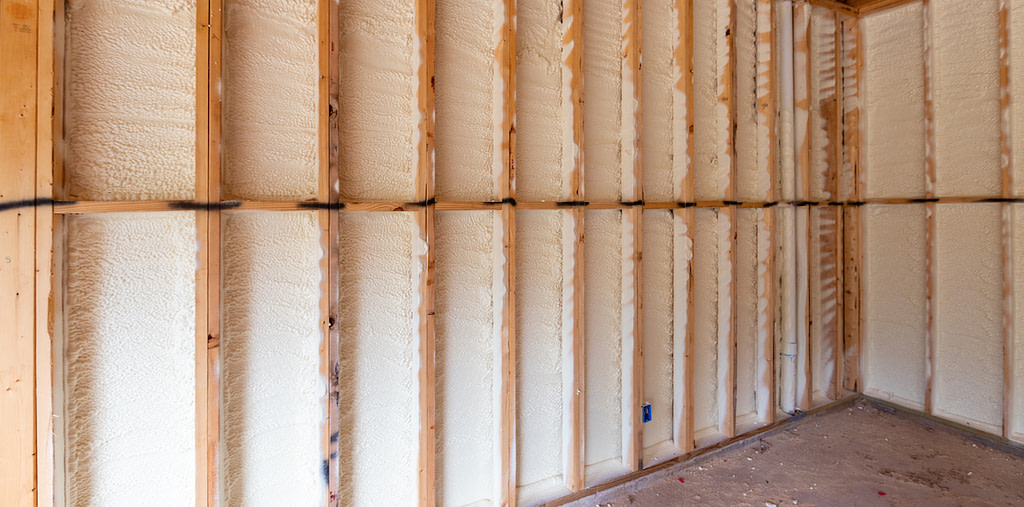
Closed-cell spray foam is the premium, higher-performing option, typically costing about $1.00 to $1.50 per board foot for materials, or roughly $3.50 to $5.25 per square foot for a 3.5-inch wall cavity. It is denser and more rigid, delivering an R-value of around 6.0 to 7.0 per inch, and it doubles as a vapor barrier while adding structural strength to walls and roofs. This makes it the go-to choice for roof decks, exterior walls, basements, crawl spaces, and any area prone to moisture, which matters for homes in Waverly and surrounding areas given Iowa’s climate. The higher price reflects its superior insulation, air sealing, and moisture control. For demanding or moisture-prone spaces, it is often worth the investment.
- Higher material cost: About $1.00 to $1.50 per board foot.
- Wall-cavity pricing: Roughly $3.50 to $5.25 per square foot at 3.5 inches.
- R-value per inch: Around 6.0 to 7.0, nearly double open-cell.
- Best for: Roof decks, basements, crawl spaces, and moisture-prone areas.
Spray foam’s higher price comes with a meaningful payback in energy savings, which is central to budgeting honestly. According to home improvement resource Modernize, open-cell spray foam generally costs $0.40 to $0.65 per board foot while closed-cell ranges from $1.00 to $1.50 per board foot, and the air-sealing performance of spray foam is what makes its long-term energy savings outpace cheaper insulation types. Weighing that upfront cost against the savings is the key to deciding what fits your home.
4 Factors That Affect Your Spray Foam Cost
Beyond foam type and the size of the area, several factors shape your final spray foam bill, with thickness, accessibility, and prep work being the most influential. The four cost drivers below are the ones most likely to move your number up or down.
1. Thickness and Target R-Value
Thickness and target R-value drive cost because more inches of foam mean proportionally more material, which is the largest single line item. Every additional inch of spray foam adds roughly $0.15 to $0.50 per square foot, so a space that needs a high R-value to meet code or comfort goals costs more than one needing only a thin air-sealing layer. Closed-cell reaches a target R-value with fewer inches thanks to its higher density, while open-cell needs more thickness for the same value. Matching thickness to your climate zone keeps you from overpaying or underinsulating. A professional calculates the right R-value for your specific space.
- Material scales with inches: Each extra inch adds about $0.15 to $0.50 per square foot.
- R-value targets: Higher required R-values mean thicker, costlier applications.
- Foam efficiency: Closed-cell hits target R-values with fewer inches than open-cell.
- Climate matching: Iowa’s zone calls for specific R-values to perform well.
2. Accessibility of the Space
Accessibility affects cost because hard-to-reach spaces take more labor and time to insulate safely and evenly. Tight attics, low crawl spaces, and vaulted ceilings can raise labor by $0.75 to $2.00 per square foot compared with open, easy-access areas. Cluttered or irregular spaces also slow the work and require more careful application. The more difficult it is for a crew to reach and move around a space, the higher the labor portion of your bill climbs. Clear, open areas are always the most economical to insulate.
- Tight spaces cost more: Cramped attics and crawl spaces add $0.75 to $2.00 per square foot.
- Irregular layouts: Odd angles and obstructions slow application and raise labor.
- Clutter matters: Spaces must be cleared before a crew can work efficiently.
- Open areas save: Easy-access spaces keep labor costs at their lowest.
3. Old Insulation Removal and Prep Work
Old insulation removal and prep work add to the cost because existing conditions often require several steps before any foam is sprayed. Tearing out and disposing of old insulation adds labor, cleanup, and disposal fees, though it supports a cleaner, better-performing result. Masking, surface protection, air sealing, and equipment setup are also part of a complete job rather than optional extras. Skipping these steps undermines performance, so a thorough quote includes them. Factoring prep into your budget gives you a realistic total instead of a bare material estimate.
- Removal fees: Hauling out old insulation adds labor and disposal costs.
- Surface prep: Masking and protection are standard parts of a quality job.
- Air sealing: Sealing gaps before foam improves the final performance.
- Setup time: Equipment staging is built into a complete estimate.
4. Vapor Barriers and Add-Ons
Vapor barriers and other add-ons raise the total when your space requires extra moisture protection beyond the foam itself. A vapor barrier, particularly useful with open-cell foam in certain assemblies, typically adds $2 to $4 per square foot depending on material and labor. Standalone air-sealing services can run a few hundred dollars for an average home. These additions are not always necessary, but when they are, they protect the long-term performance of the insulation. A professional assessment determines which add-ons your home actually needs.
- Vapor barriers: Add roughly $2 to $4 per square foot when required.
- Air sealing: Standalone sealing can add a few hundred dollars for an average home.
- Case by case: Add-ons depend on the foam type and the assembly.
- Long-term value: The right extras protect the insulation’s performance over time.
Is Spray Foam Insulation Worth the Cost?
Spray foam insulation is worth the cost for many homeowners because its air-sealing performance and high R-value cut energy bills enough to offset the higher upfront price over time. The payback depends on your home, climate, and energy use, but the savings are real and lasting.
How Much Can Spray Foam Save on Energy Bills?
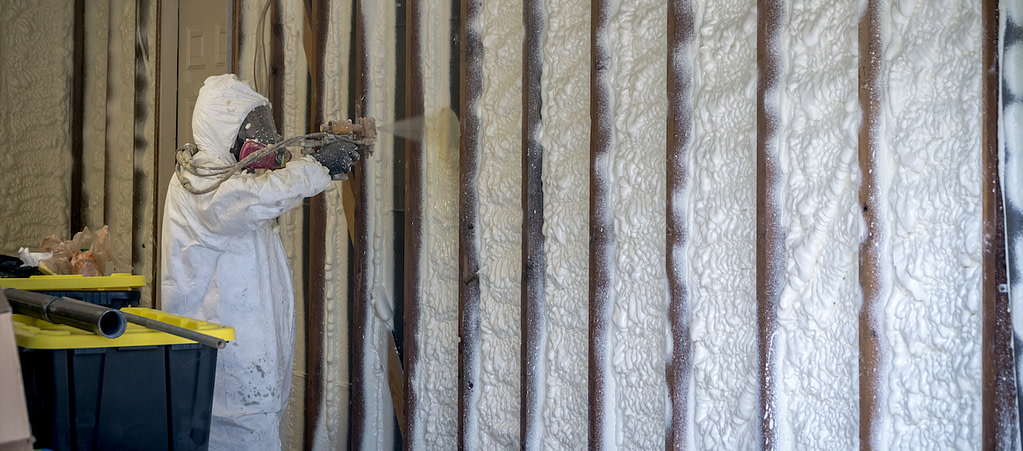
Spray foam can reduce heating and cooling costs by roughly 30 to 50 percent compared with minimal or degraded insulation, because it seals the air leaks that account for a large share of wasted energy. For a 2,000 square foot home spending around $2,400 a year on heating and cooling, that can mean $720 to $1,200 in annual savings. Spray foam also lasts decades, improves comfort by eliminating drafts, and can reduce wear on your HVAC system. In a climate with cold winters and humid summers like Iowa’s, that air seal works hard year-round. Those savings are what make the higher upfront cost reasonable for many households in Waverly and surrounding areas.
- Energy reduction: Roughly 30 to 50 percent lower heating and cooling costs.
- Annual dollar savings: Often $720 to $1,200 for an average home.
- Long lifespan: Properly installed spray foam lasts decades.
- Added comfort: Sealing drafts steadies indoor temperatures and eases HVAC load.
Frequently Asked Questions
How much does spray foam insulation cost per square foot in 2026?
Spray foam insulation costs about $1.00 to $4.50 per square foot installed in 2026, with open-cell on the lower end and closed-cell on the higher end. The exact figure depends on foam type, thickness, and accessibility. A free on-site estimate gives you an accurate number for your space.
Is closed-cell or open-cell spray foam better?
Neither is universally better, since open-cell is more affordable and great for interior walls and soundproofing, while closed-cell offers higher R-value, moisture resistance, and structural strength for roofs, basements, and crawl spaces. The right choice depends on the area and your goals. A professional can recommend the best fit for each part of your home.
Can I install spray foam insulation myself?
DIY kits exist, but spray foam installation is generally best left to professionals because proper mixing, application temperature, thickness, and safety precautions are critical to performance and to avoid costly mistakes. Improper installation can trap moisture or cure poorly. Licensed installers ensure an even, effective, code-compliant application.
How long does spray foam insulation last?
Properly installed spray foam insulation can last 25 years or more, often the lifetime of the structure, without sagging or settling like some other insulation types. Its durability is part of what makes the upfront cost worthwhile. Routine inspections help confirm it stays in good condition.
Does spray foam insulation pay for itself?
For many homes, spray foam pays for itself over time through energy savings of roughly 30 to 50 percent on heating and cooling. The exact payback period depends on your energy use, climate, and the price you paid. Many homeowners also value the added comfort and quieter interior.
How much does it cost to insulate an attic with spray foam?
Attic spray foam insulation commonly costs between $3,500 and $7,000 depending on foam type, attic size, and accessibility, with closed-cell on the higher end. Tight or low-clearance attics cost more due to added labor. A professional inspection and estimate pinpoints the cost for your attic.
Trust Young Construction for Your Insulation Investment
When it comes to spray foam insulation cost and getting real value for your money, Young Construction brings over 20 years of local experience and a clear understanding of how Iowa’s seasons demand a tight, well-sealed home. We assess your space, recommend the right foam type and thickness for each area, and give you a transparent estimate with no guesswork, so you know exactly what you are paying for and why. As a family-owned, fully licensed and insured company with more than 150 five-star reviews, we treat your home with genuine care and back our work with honest, straightforward communication. If your home runs drafty, your energy bills keep climbing, or you are planning an insulation upgrade, now is the time to find out what spray foam can do for your comfort and your budget. Contact Young Construction today for professional insulation guidance, and let our team help you invest in a warmer, quieter, more efficient home.