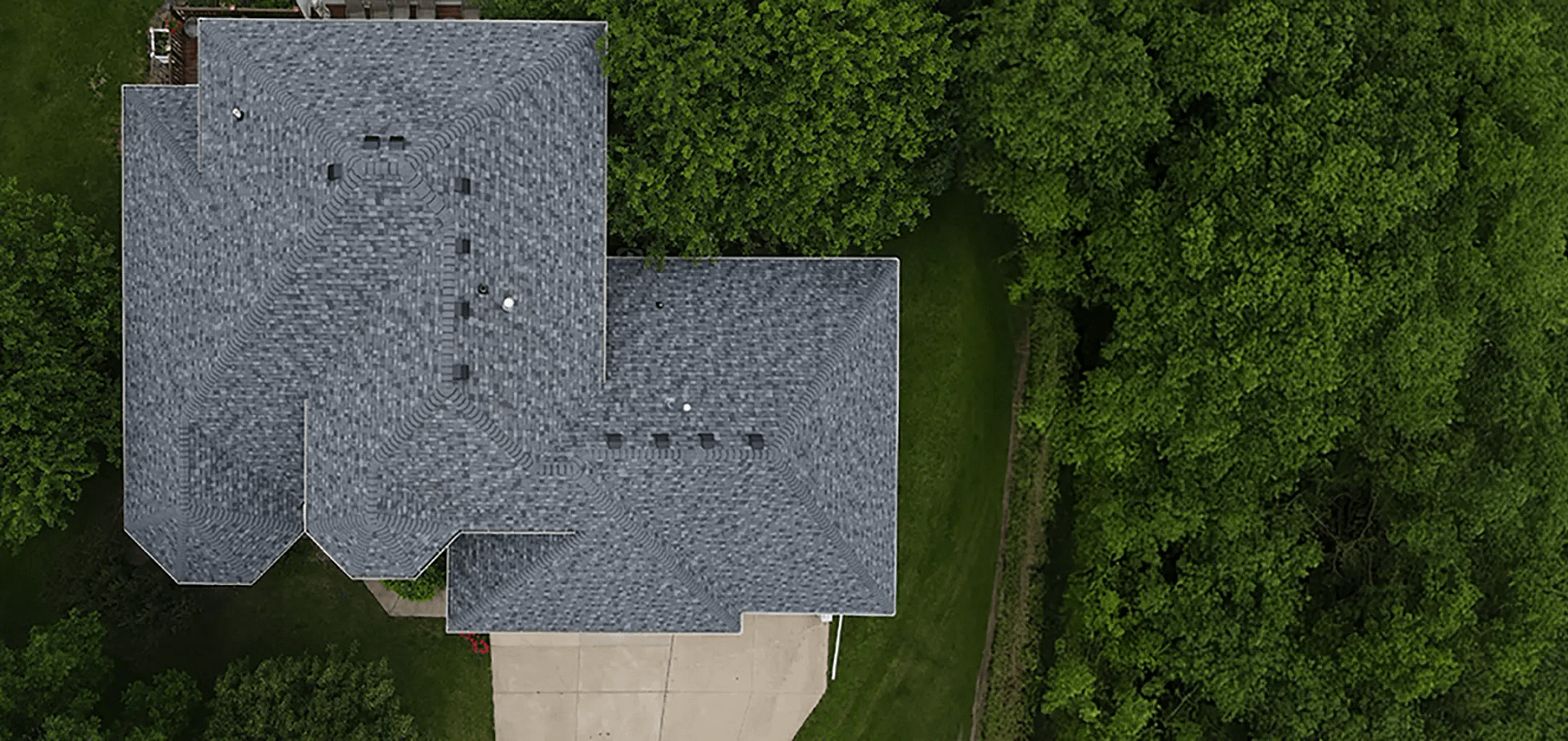
A steel roof offers homeowners a strong, long-lasting, and energy-efficient roofing option that performs exceptionally well in diverse climates. Whether your home is in the snowy Midwest or the humid, hurricane-prone areas of Florida, steel roofing provides reliable protection and style that stands the test of time. Many homeowners wonder if the higher upfront cost is justified — and the answer depends on how you value durability, maintenance, and long-term savings.
- Extreme weather protection: Designed to withstand hail, wind, and heavy rain.
- Energy efficiency: Reflects heat in summer and retains warmth in winter.
- Longevity: Lasts two to three times longer than asphalt shingles.
Why Homeowners Are Choosing Steel Roofs
Steel roofing has gained popularity as more homeowners look for sustainable, low-maintenance solutions that deliver lasting value. A steel roof can last 40–70 years with proper installation and minimal upkeep. It resists cracking, warping, and rot — issues that commonly affect other materials.
Its versatility is another major draw. Steel roofing comes in a wide range of styles, from sleek standing seam panels to textured finishes that mimic shingles, shakes, or even tile. This makes it a great fit for both traditional homes in Iowa and contemporary properties in Florida.
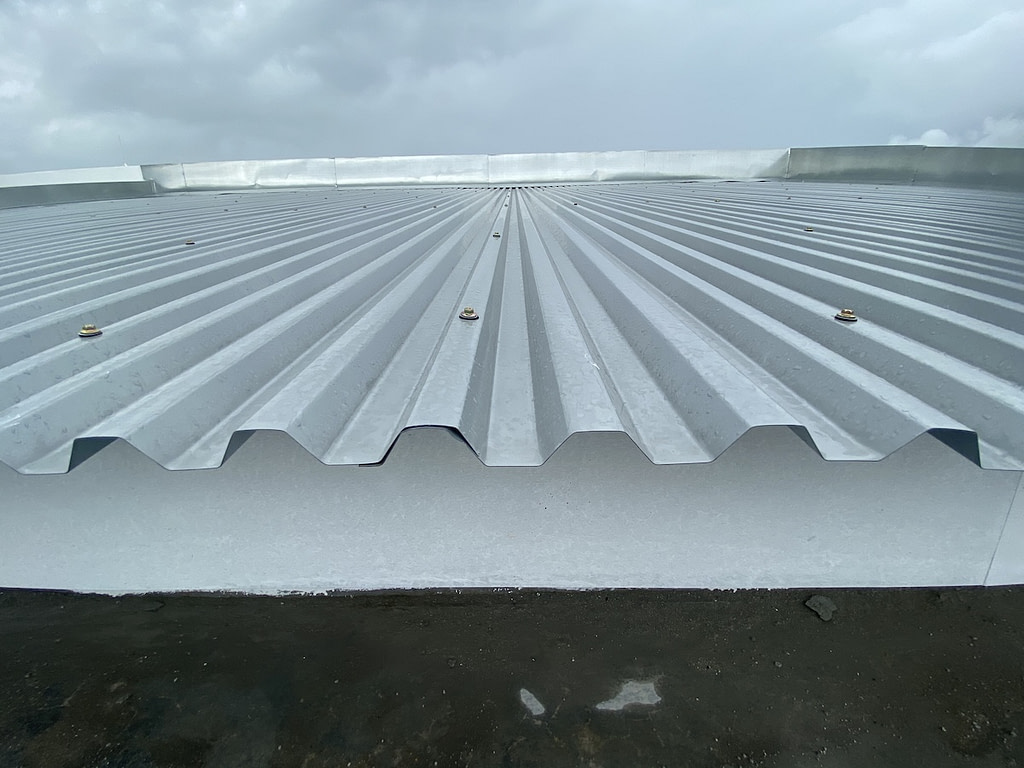
Benefits of Installing a Steel Roof
The advantages of steel roofing extend far beyond aesthetics. Homeowners appreciate its superior performance in severe weather, impressive lifespan, and energy-saving potential.
Exceptional Durability and Weather Resistance
Steel roofs are built to endure. Unlike asphalt shingles that can curl or crack, steel maintains its shape and strength in high winds, hail, and extreme temperature changes.
- Wind resistance: Rated to withstand gusts exceeding 120 mph.
- Impact protection: Resists hail damage and flying debris.
- Corrosion resistance: Galvanized or coated finishes protect against rust and moisture.
In the Midwest, steel roofs prevent ice dam formation by shedding snow efficiently. In Florida, they resist corrosion from salt air and provide superior protection during tropical storms.
Long-Term Cost Efficiency
While the initial cost of a steel roof may be higher than asphalt, its longevity and minimal maintenance often result in significant savings over time.
- Low maintenance: No need for frequent repairs or replacements.
- Energy savings: Reflective coatings reduce cooling costs in warm climates.
- Insurance discounts: Many insurers offer lower premiums for metal roofing due to its resilience.
When viewed as a long-term investment, a steel roof can actually cost less than other materials once its full lifespan and energy benefits are factored in.
Sustainability and Eco-Friendliness
Steel roofing is one of the most environmentally responsible roofing materials available today. It’s typically made from recycled metal and can be fully recycled again at the end of its life.
- Recycled content: Often contains 25–95% recycled material.
- Energy efficiency: Reflective coatings meet ENERGY STAR® standards.
- Longevity: Fewer replacements mean less waste over time.
For environmentally conscious homeowners, a steel roof delivers both sustainability and performance.
Potential Drawbacks of Steel Roofing
Though steel roofs offer outstanding advantages, they also come with considerations that homeowners should understand before committing to the upgrade.
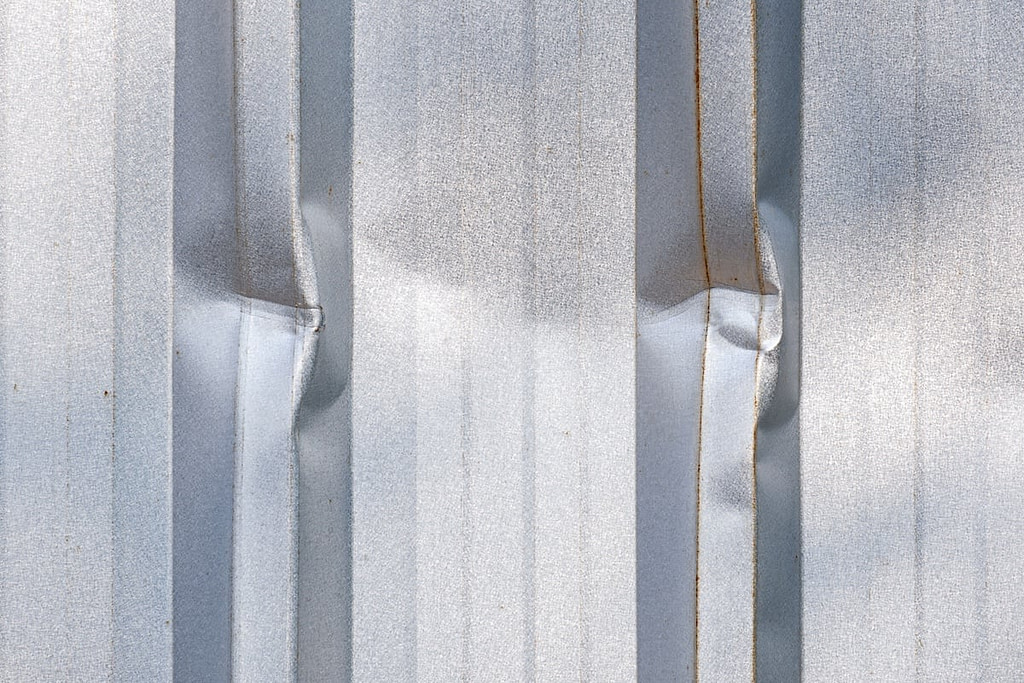
Higher Upfront Cost
Steel roofing costs more than standard asphalt shingles, primarily due to the material quality and installation expertise required.
- Cost range: Typically $9–$15 per square foot installed.
- Offset by longevity: Lasts two to three times longer than shingles.
- Long-term ROI: Energy efficiency and lower maintenance balance the investment.
Noise During Heavy Rain
Without proper insulation, metal roofs can sound louder during rainfall. However, professional installation with quality underlayment nearly eliminates this issue.
- Soundproofing layers: Insulation and roof decking reduce noise transmission.
- Design factor: Modern systems are engineered for quiet performance.
- Practical solution: Adding attic insulation ensures peace and quiet indoors.
Expansion and Contraction
Metal expands and contracts with temperature changes, which can stress fasteners if the system isn’t designed correctly.
- Thermal movement: More noticeable in areas with extreme temperature swings.
- Flexible fasteners: Prevent damage by accommodating movement.
- Professional installation: Ensures proper spacing and attachment methods.
How Steel Roofs Perform in Different Climates
Steel roofing offers region-specific benefits that make it suitable for both Iowa’s freezing winters and Florida’s tropical summers. Understanding how it performs in each climate can help you decide whether it’s the right fit for your home.
Steel Roofing in the Midwest
Midwestern weather demands a roof that can handle temperature extremes, snow accumulation, and heavy winds.
- Snow shedding: Smooth surfaces allow snow to slide off easily.
- Ice dam prevention: Reduces freeze-thaw issues that cause leaks.
- Insulation compatibility: Works well with attic insulation for energy retention.
Steel Roofing in Florida
Florida homes face intense UV exposure, salt air, and hurricanes. Steel roofs hold up exceptionally well in these conditions when coated properly.
- Hurricane resistance: Strong wind ratings and interlocking seams prevent uplift.
- Reflective finish: Keeps interiors cooler and reduces A/C usage.
- Corrosion control: Galvalume coatings protect against humidity and salt spray.
5 Key Steps in the Steel Roof Installation Process
Installing a steel roof requires precision and experience to ensure maximum durability and visual appeal. Professional installation is crucial to prevent leaks and maintain warranty coverage.
- Inspection and Planning
The process begins with evaluating your current roof structure and determining if the existing decking can support new panels. Measurements and layout planning are finalized to ensure symmetry. - Removal of Old Roofing
The existing roofing material is removed to reveal the roof deck. Any damaged wood is replaced, and a clean, stable surface is prepared for installation. - Underlayment and Insulation
A waterproof underlayment and optional insulation layer are installed. This helps regulate temperature, reduce noise, and prevent moisture buildup. - Panel Installation
Steel panels are secured using concealed fasteners or standing seams. Installers align each section carefully for a watertight seal and uniform appearance. - Finishing Details and Inspection
Trim pieces, flashing, and ridge caps are installed to complete the system. A final inspection ensures proper alignment, fastener security, and full protection.
Comparing Steel Roofs to Other Materials
Steel roofs outperform many other roofing materials in terms of longevity, safety, and maintenance needs.
Steel vs. Asphalt Shingles
- Lifespan: Steel lasts up to 70 years; asphalt typically lasts 20–25.
- Maintenance: Steel requires minimal care, while shingles need periodic replacement.
- Weather performance: Steel withstands wind and hail far better than asphalt.
Steel vs. Tile or Slate
- Weight: Steel is much lighter, reducing strain on your home’s structure.
- Cost: Significantly less expensive than slate or clay tile.
- Installation: Easier and faster to install with fewer structural modifications.
Steel vs. Aluminum
- Strength: Steel is more impact-resistant; aluminum resists corrosion slightly better.
- Price: Steel is generally more affordable than premium aluminum.
- Durability: Both last decades with proper maintenance.
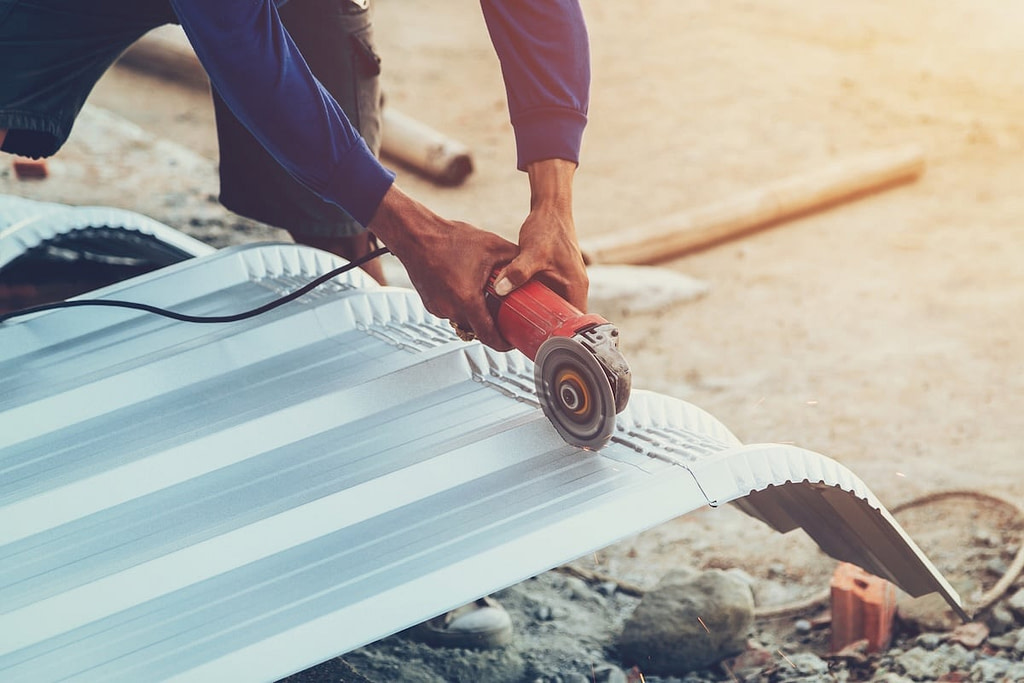
Maintenance Tips for Long-Lasting Steel Roofs
Proper care helps maximize the lifespan and beauty of your steel roof. Fortunately, maintenance is minimal and straightforward.
Routine Cleaning and Inspection
- Remove debris: Keep gutters and valleys clear of leaves or dirt.
- Wash occasionally: Use a gentle detergent and water to maintain shine.
- Inspect after storms: Check for loose fasteners or minor scratches.
Preventive Measures
- Trim overhanging branches: Reduces risk of scratches or impact damage.
- Check sealant: Inspect around flashings and joints for wear.
- Address rust spots quickly: Touch up small areas with paint or sealant.
Enhance Your Home’s Protection With Young Construction’s Steel Roofing Expertise
At Young Construction, we specialize in installing premium steel roofs that provide unmatched protection and style for every climate. Whether you’re dealing with Iowa’s icy winters or Florida’s stormy summers, our expert team ensures your roof performs beautifully year-round.
Why Homeowners Trust Young Construction
- Regional expertise: We understand how climate affects roof performance in both the Midwest and Florida.
- Top-quality materials: Our steel roofs feature advanced coatings for corrosion resistance and energy efficiency.
- Flawless installation: Each project is completed with precision, safety, and attention to detail.
Make your next roof the last one you’ll ever need. Contact Young Construction today for a free quote and discover why a steel roof is one of the smartest, most durable investments you can make for your home.