Steel siding panels are one of the toughest, longest-lasting exterior options a homeowner can choose, standing up to the hail, wind, and freeze-thaw cycles that Iowa throws at a home year after year. While steel carries a higher upfront cost than some materials, its exceptional durability, fire resistance, and decades-long lifespan make it a smart long-term investment for many homes. Understanding its benefits, cost, and fit for our climate helps you decide whether steel siding is right for your home. Here is what this guide covers:
- Key benefits: The seven biggest advantages steel siding panels offer.
- The cost: What steel siding costs in 2026 and how it compares to vinyl.
- Iowa fit: Why steel siding performs so well in our demanding climate.
Why Consider Steel Siding Panels?
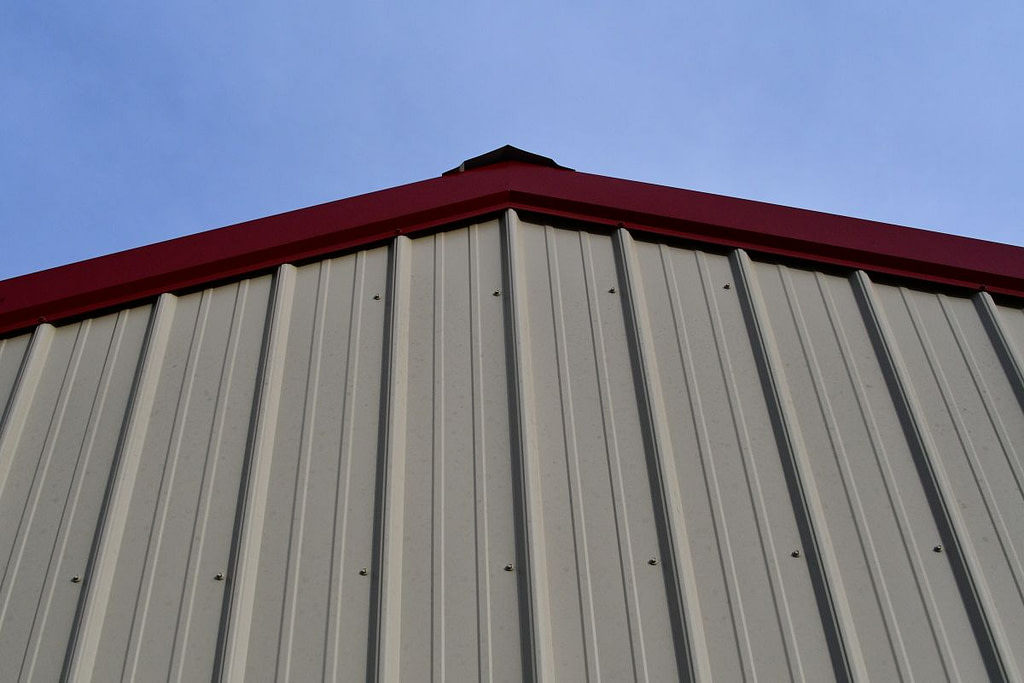
Steel siding panels are worth considering because they combine unmatched durability with low maintenance and a long lifespan, making them a strong value over time. For Iowa homes facing severe weather, that toughness translates into real protection and fewer repairs down the road.
Steel Is Built for Demanding Climates
Steel siding is built to withstand demanding climates, which makes it especially appealing in a state with harsh, variable weather. Unlike vinyl siding, which can become brittle and crack in sub-freezing temperatures, steel holds up through extreme cold, intense sun, and heavy storms without warping or cracking. Its strength and rigidity let it resist the impacts and temperature swings that wear down softer materials. This resilience is the core reason homeowners in tough climates choose steel. For homes in Forest City and surrounding areas, that weather resistance is a major advantage.
- Cold tolerant: Resists the cracking that affects vinyl in deep cold.
- Weather resistant: Holds up to sun, storms, and temperature swings.
- Strong and rigid: Resists impacts that dent softer materials.
- Climate fit: Built for the demanding weather Iowa homes face.
It Delivers Long-Term Value
Steel siding delivers strong long-term value despite its higher upfront cost, thanks to its long lifespan and minimal upkeep. Because it can last 40 to 70 years or more with little maintenance, steel means fewer replacements and repairs than materials that need periodic attention. It also tends to return a high share of its cost at resale and can lower some insurance premiums thanks to its fire resistance. When you weigh the decades of service against the initial price, steel often proves economical over the life of the home. For homeowners in Forest City and surrounding areas, this long-run value is central to its appeal.
- Long lifespan: Lasts 40 to 70 years or more with little upkeep.
- Fewer replacements: Durability means less spending over time.
- Strong resale: Returns a high share of its cost at resale.
- Lifetime value: Decades of service offset the upfront price.
7 Benefits of Steel Siding Panels
Steel siding panels offer a distinct set of advantages that make them a compelling choice for durability-minded homeowners. The seven benefits below capture why steel is increasingly popular for homes in demanding climates.
1. Exceptional Durability and Lifespan
The greatest benefit of steel siding is its exceptional durability and long lifespan, often 40 to 70 years or more. Steel resists the cracking, warping, rotting, and fading that shorten the life of many other materials, standing strong against impacts and the elements for decades. This longevity means it may be the last siding you ever need to install on your home. Its toughness is legendary among siding materials, which is why it is trusted in harsh environments. For homeowners who want to install once and forget it, steel is hard to beat.
- Decades of service: Commonly lasts 40 to 70 years or more.
- Resists damage: Stands up to cracking, warping, and rot.
- Long-term solution: May be the last siding your home needs.
- Proven toughness: Trusted in demanding environments.
2. Fire Resistance
Steel siding offers excellent fire resistance, since metal is non-combustible and will not ignite or feed a fire. This makes steel a safer choice than combustible materials, adding a layer of protection to your home. That fire resistance can also qualify homeowners for reduced insurance premiums in some cases, adding a financial benefit to the safety one. In areas where wildfire or fire spread is a concern, this quality is especially valuable. Peace of mind and potential savings make fire resistance a meaningful benefit.
- Non-combustible: Steel will not ignite or feed a fire.
- Added safety: Provides a layer of fire protection for the home.
- Insurance benefit: May qualify for reduced premiums.
- Peace of mind: Valuable protection against fire spread.
3. Low Maintenance
Steel siding requires very little maintenance, which is a major benefit for busy homeowners. Unlike wood, it never needs painting or staining, and unlike some materials, it resists the mold, rot, and pest damage that demand upkeep. An occasional rinse to remove dirt is usually all it takes to keep steel looking its best. This freedom from constant maintenance saves both time and money over the life of the siding. Low upkeep is one of the practical benefits homeowners appreciate most.
- No painting: Factory finishes eliminate repainting.
- Resists decay: Not vulnerable to mold, rot, or pests.
- Easy cleaning: An occasional rinse keeps it looking fresh.
- Saves time: Minimal upkeep over the siding’s long life.
4. Energy Efficiency
Steel siding can contribute to energy efficiency, particularly when paired with insulated panels or continuous exterior insulation. Steel’s reflective properties can help reduce heat absorption, and insulated steel siding adds a thermal layer that improves the wall’s overall energy performance. This can help lower heating and cooling costs while making the home more comfortable. Combined with proper wall insulation, steel supports an energy-efficient exterior. In a climate with big heating and cooling demands, that efficiency adds up.
- Reflective surface: Can help reduce heat absorption.
- Insulated options: Insulated panels add a thermal layer.
- Lower bills: Supports reduced heating and cooling costs.
- Comfort boost: Contributes to an energy-efficient wall.
5. Pest and Rot Resistance
Steel siding is naturally resistant to pests and rot, a benefit that protects both the siding and the structure behind it. Insects like termites cannot eat through metal, and because steel does not absorb water the way wood does, it will not rot or decay. This keeps the wall system sound and free of the hidden damage that pests and moisture can cause over time. It is a set-and-forget quality that adds to steel’s long-term durability. Protection from pests and rot is a quiet but valuable benefit.
- Pest proof: Insects cannot eat through metal siding.
- Rot resistant: Steel does not absorb water or decay.
- Protects structure: Keeps the wall system sound.
- Long-term durability: Adds to steel’s decades of service.
6. Impact and Weather Resistance
Steel siding offers strong impact and weather resistance, standing up to storms far better than softer materials. Its strength helps it resist damage from debris and the general battering of severe weather, and quality coatings protect against rust and fading. While very large hail can dent steel and extremely high winds test any siding, steel’s rigidity gives it an edge in most storm conditions. This resilience is a key reason it suits storm-prone regions. Dependable performance through rough weather is a benefit felt every season.
- Storm tough: Resists damage from debris and severe weather.
- Protective coatings: Quality finishes guard against rust and fading.
- Rigid strength: Holds up better than softer siding materials.
- Storm-region fit: Well suited to areas with rough weather.
7. Eco-Friendly and Recyclable
Steel siding is an eco-friendly choice because it is often made with recycled content and is fully recyclable at the end of its long life. Unlike materials that end up in landfills, steel can be melted down and reused, reducing waste and environmental impact. Its long lifespan also means fewer replacements and less material consumed over the decades. For environmentally conscious homeowners, this sustainability is a genuine advantage. Combining durability with recyclability makes steel a responsible long-term choice.
- Recycled content: Often manufactured with recycled steel.
- Fully recyclable: Can be reused at the end of its life.
- Less waste: Long lifespan means fewer replacements.
- Sustainable choice: Durability and recyclability go hand in hand.
Steel’s durability comes at a higher price than some alternatives, so it helps to know the numbers. According to Angi, metal siding costs $1 to $35 per square foot installed, a higher upfront cost than vinyl siding at $3 to $12 per square foot, but it is chosen because it is far more durable and long-lasting than vinyl. For most homes, steel siding specifically falls in the middle of that range, making durability the key factor in weighing the investment.
How Much Do Steel Siding Panels Cost in 2026?
Steel siding panels typically cost about $4.25 to $8.50 per square foot installed for common styles, with premium profiles and finishes running higher. The final price depends on your home’s size, the panel style, the finish, and local labor rates.
Cost Depends on Style, Finish, and Home Size
The cost of steel siding depends most on the panel style, the finish, home size, and labor. Corrugated and ribbed steel panels sit at the budget-friendly end, while seamless steel and premium woodgrain or specialty finishes cost more. A larger home requires more material and labor, and tearing off old siding adds roughly $1 to $3 per square foot for removal and disposal. Mid-range steel siding for an average home often totals somewhere between $10,500 and $24,000. Understanding these factors helps homeowners in Forest City and surrounding areas budget accurately and compare quotes.
- Panel style: Corrugated and ribbed cost less than seamless or specialty.
- Finish choice: Premium woodgrain and finishes raise the price.
- Home size: More square footage means more material and labor.
- Old siding removal: Adds about $1 to $3 per square foot.
Frequently Asked Questions
How much do steel siding panels cost in 2026?
Steel siding typically costs $4.25 to $8.50 per square foot installed for common styles, with premium profiles running higher, and metal siding overall ranges from $1 to $35 per square foot. A mid-range steel siding job for an average home often totals $10,500 to $24,000. A detailed, written estimate gives you an accurate figure for your home.
Is steel siding better than vinyl siding?
Steel siding is far more durable and longer-lasting than vinyl siding, resisting cracking, fading, and fire, and it holds up better in extreme cold. Vinyl is cheaper upfront and comes in many styles, but it can become brittle and crack in freezing temperatures. For durability in a harsh climate, steel has a clear edge.
How long does steel siding last?
Steel siding typically lasts 40 to 70 years or more with minimal maintenance, far longer than vinyl’s 20 to 30 years. Its resistance to cracking, rot, and fading is what gives it such a long lifespan. Quality coatings and proper installation help it reach the upper end.
Does steel siding dent from hail?
Very large hail can dent steel siding, though its strength helps it resist damage better than many softer materials. Thicker gauge panels and quality installation improve impact resistance. For most storms, steel performs well, but severe hail is a consideration in any siding choice.
Is steel siding a good choice for Iowa homes?
Steel siding is an excellent choice for Iowa homes because it withstands the cold, wind, and freeze-thaw cycles that crack more brittle materials. Its fire resistance and long lifespan add further value. For homeowners wanting durable, low-maintenance siding built for our climate, steel is a strong option.
Does steel siding rust?
Modern steel siding is coated with protective finishes that guard against rust and corrosion, so quality panels resist rusting for decades. Damage to the coating can eventually allow rust, so prompt repair of scratches helps. Choosing quality, properly coated panels is key to long rust-free performance.
Trust Young Construction for Steel Siding Panels
When it comes to steel siding panels, Young Construction brings over 20 years of local experience and a clear understanding of how Iowa’s hail, wind, and freeze-thaw cycles test a home’s exterior. We help you weigh steel against other siding materials, recommend the panel style and finish that fits your home and budget, and install it with the precision that lets steel deliver its full decades of durability. As a family-owned, fully licensed and insured company with more than 150 five-star reviews, we treat your home with genuine care and give you honest guidance on whether steel is the right investment. If you want siding built to stand up to our climate for the long haul, you deserve a team that installs it right. Contact Young Construction today to talk through your siding options and request a detailed, written estimate, and let our team help you protect your home with a durable, lasting exterior.