Choosing steel siding is becoming increasingly popular among homeowners who want a durable, low-maintenance, and modern exterior solution. Steel siding offers excellent protection against weather, pests, and fire while providing a clean and contemporary look. However, like any siding material, it comes with both advantages and limitations that homeowners should understand before making a decision.
- Durability: Steel siding is highly resistant to damage from weather and impact.
- Low maintenance: Requires minimal upkeep compared to wood or traditional siding.
- Modern appeal: Offers a sleek appearance for contemporary homes.
Why Homeowners Are Choosing Steel Siding
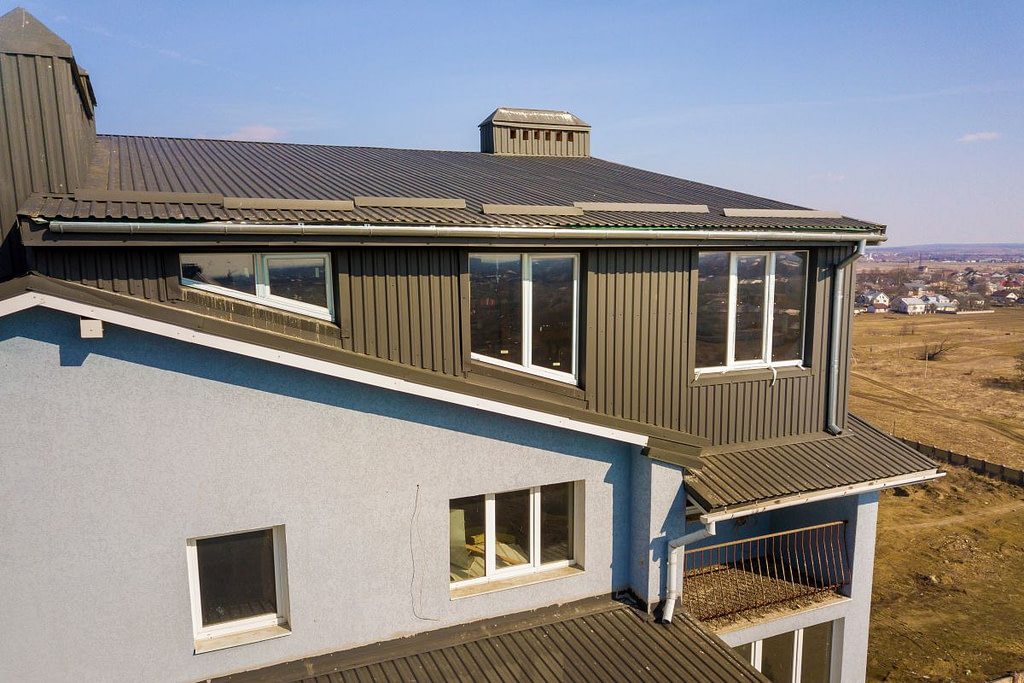
Steel siding stands out as one of the most durable exterior materials available today. It is designed to withstand harsh weather conditions, including heavy rain, wind, and temperature fluctuations. Unlike wood siding, steel does not rot, warp, or attract pests, making it a long-term solution for homeowners looking to reduce maintenance.
Another reason steel siding is gaining popularity is its versatility. It is available in a variety of colors, finishes, and textures, including options that mimic wood grain. This allows homeowners to achieve both modern and traditional looks while benefiting from the strength of metal siding.
6 Pros and Cons of Steel Siding
Understanding the advantages and disadvantages of steel siding helps homeowners decide if it is the right fit for their property.
1. Exceptional Durability
Steel siding is known for its strength and ability to withstand extreme conditions.
- Impact resistance: Handles hail and debris better than many materials.
- Weather protection: Performs well in heavy rain and wind.
- Long lifespan: Designed to last for decades with proper care.
This durability makes it a strong choice for homes in challenging climates.
2. Low Maintenance Requirements
Steel siding requires less maintenance compared to materials like wood.
- No repainting needed: Factory finishes often last many years.
- Resistant to pests: Not affected by termites or insects.
- Easy cleaning: Occasional washing keeps it looking new.
Low maintenance helps homeowners save time and effort over the years.
3. Fire and Moisture Resistance
Steel siding provides added protection against environmental risks.
- Fire resistance: Non-combustible material adds safety.
- Moisture resistance: Does not absorb water like wood.
- Mold prevention: Reduces risk of mold growth.
These features improve overall home protection.
4. Higher Upfront Cost
While durable, steel siding often comes with a higher initial investment.
- Material cost: Typically more expensive than vinyl siding.
- Installation cost: Requires skilled installation.
- Long-term value: Higher upfront cost may be offset by durability.
Homeowners should consider both short-term and long-term costs.
5. Potential for Dents or Scratches
Although strong, steel siding can still be affected by certain impacts.
- Dent risk: Heavy impact may leave visible marks.
- Surface scratches: Protective coatings can be damaged.
- Repair challenges: Damaged panels may need replacement.
Proper care helps minimize these risks.
6. Expansion and Contraction
Like many materials, steel siding expands and contracts with temperature changes.
- Temperature sensitivity: Movement occurs during seasonal changes.
- Installation importance: Proper spacing prevents warping.
- Performance impact: Correct installation ensures long-term stability.
Professional installation is key to managing these effects.
How Long Does Steel Siding Last?
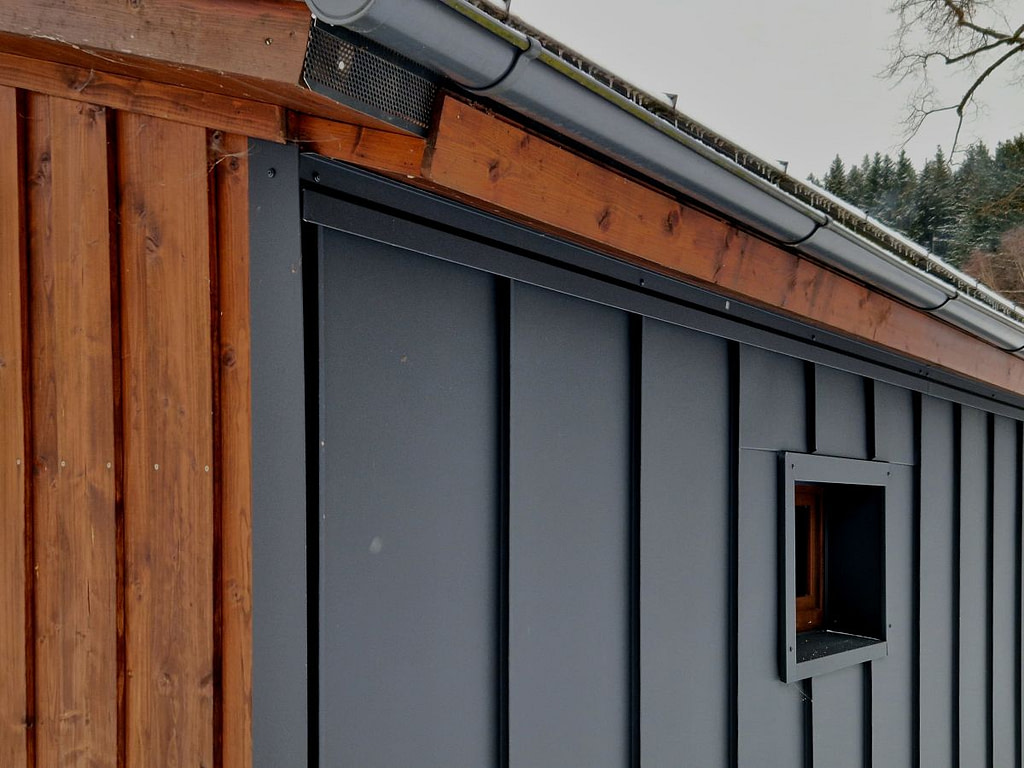
Steel siding is known for its impressive longevity. With proper installation and maintenance, it can last 40 to 70 years or more. This makes it one of the longest-lasting siding options available.
The lifespan of steel siding depends on factors such as climate, installation quality, and maintenance. Protective coatings play an important role in preventing rust and corrosion, helping the material maintain its strength over time.
Regular inspections and basic maintenance can help ensure steel siding performs well for decades.
Steel Siding Cost Guide (2026)
The cost of steel siding varies depending on factors such as material quality, finish, and installation complexity.
Average Cost Per Square Foot
- Material cost: Typically ranges from $8 to $15 per square foot.
- Installed cost: Often ranges from $12 to $20 per square foot.
- Total project cost: Depends on home size and design complexity.
Higher-end finishes or custom designs may increase overall cost.
Factors That Affect Cost
- Panel thickness: Thicker steel panels are more durable but cost more.
- Coating quality: Premium finishes improve longevity.
- Labor requirements: Complex installations increase labor costs.
Understanding these factors helps homeowners plan their budget.
Steel Siding vs Other Materials
Comparing steel siding to other popular materials helps homeowners evaluate their options.
Steel vs Vinyl Siding
- Durability: Steel is stronger and more impact-resistant.
- Cost: Vinyl is more affordable upfront.
- Maintenance: Both are relatively low maintenance.
Steel offers better durability, while vinyl provides cost savings.
Steel vs Fiber Cement
- Weight: Steel is lighter and easier to handle.
- Durability: Both materials are highly durable.
- Maintenance: Fiber cement may require repainting over time.
Both options offer strong performance, but steel requires less upkeep.
Steel vs Wood Siding
- Maintenance: Steel requires far less maintenance than wood.
- Appearance: Wood offers a natural look, while steel can mimic it.
- Durability: Steel is more resistant to moisture and pests.
Steel provides a more durable alternative to traditional wood siding.
Is Steel Siding Right for Your Home?

Steel siding is an excellent choice for homeowners who prioritize durability, low maintenance, and long-term value. It performs well in a variety of climates and offers strong protection against weather and environmental factors.
However, the higher upfront cost and potential for dents may not make it the best option for every homeowner. Evaluating your budget, aesthetic preferences, and maintenance expectations can help determine if steel siding is the right fit.
Upgrade Your Home With Durable Siding Solutions
Choosing the right siding material is an important decision that affects your home’s protection and appearance. Understanding the pros, cons, and cost of steel siding helps homeowners make informed decisions that support long-term performance.
Your home’s exterior should provide both durability and style. Learning about siding options allows homeowners to choose materials that meet their needs and perform well over time.
Why Homeowners Trust Young Construction
- Exterior expertise: Helping homeowners understand siding materials and performance.
- Commitment to quality: Focused on durable, long-lasting solutions.
- Trusted guidance: Providing clear information for confident decisions.
Upgrade your home with siding built to last. Contact Young Construction today for a free estimate and discover how expert exterior solutions can improve your home’s protection and curb appeal for years to come.