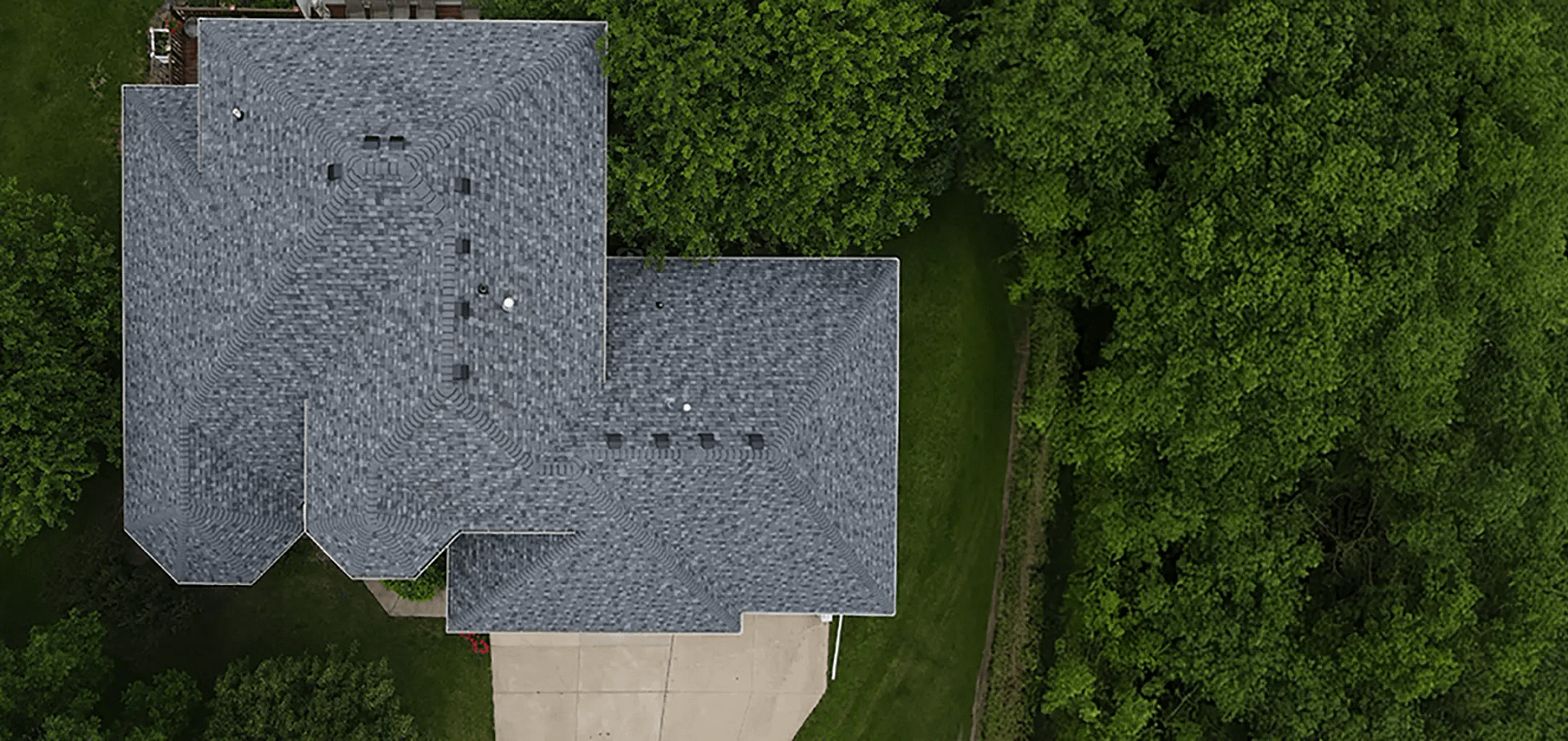
4Dealing with a storm damage roof Albert Lea MN homeowners experience can be stressful, especially after severe weather like high winds, hail, or heavy rain. Storms in southern Minnesota can cause both visible and hidden roof damage, which may worsen over time if not addressed quickly. Knowing what steps to take after a storm helps protect your home, prevent further issues, and ensure your roof continues to perform properly.
- Quick action: Addressing damage early helps prevent more serious problems.
- Safety first: Knowing what to check reduces risk after a storm.
- Long-term protection: Proper steps help maintain your roof’s integrity.
Why Storm Damage Is Common in Albert Lea, MN
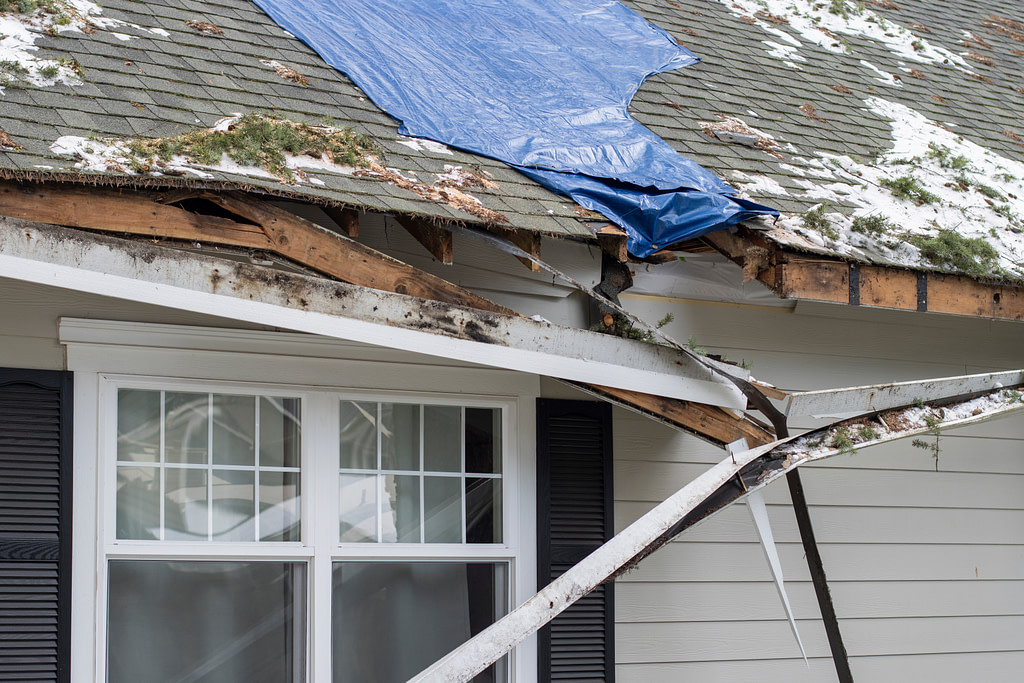
Albert Lea homeowners deal with wide weather extremes throughout the year. With winters that can dip to around -20°F and summer heat that can reach about 95°F, the right roofing system is essential here to withstand local conditions, including ice dams and summer hailstorms. Strong winds, hailstorms, heavy rain, and snow can all impact roofing systems. These conditions can loosen shingles, damage flashing, or create small openings where water can enter.
Storm damage is not always obvious from the ground. Even minor damage can lead to leaks, insulation issues, and structural concerns if left untreated. That is why it is important to take immediate and informed action after any major storm.
6 Things to Do After Storm Damage to Your Roof
Taking the right steps after a storm can help protect your home and prevent further damage. These actions are designed to keep you safe while addressing potential roofing issues.
1. Check for Visible Damage From the Ground
After a storm passes, begin with an outside-first review of your home from a safe distance and look for common signs of damage. Avoid climbing onto the roof immediately, as it may be unsafe.
Use the Inside, Outside, Ladder method to start safely, with ground-level observations first.
- Missing shingles: Look for bare spots or uneven areas on the roof.
- Debris impact: Check for fallen branches or objects on the roof.
- Gutter damage: Inspect gutters and downspouts for dents or detachment.
A ground-level inspection can help you identify obvious issues without putting yourself at risk.
2. Look for Interior Signs of Damage
Roof damage often shows up inside the home before it becomes visible outside. Interior roof inspections can reveal hidden issues.
- Water stains: Brown or yellow spots on ceilings or walls.
- Dripping water: Signs of active leaks after rainfall.
- Attic moisture: Damp insulation or visible condensation.
Interior signs often indicate that water has already entered the roofing system. Regular roof inspections help catch hidden damage early and avoid more costly repairs.
3. Protect Your Home From Further Damage
If you notice damage, it is important to take temporary steps to prevent the problem from getting worse.
- Cover exposed areas: Use a tarp to protect damaged sections if it is safe to do so.
- Move valuables: Protect furniture and belongings from potential leaks.
- Contain water: Use buckets or towels to manage interior leaks.
Temporary protection can help reduce additional damage until repairs are made.
4. Document the Damage Carefully
Recording the condition of your roof after a storm is an important step for tracking damage, planning repairs, and supporting an insurance claim.
- Take photos: Capture detailed images of visible roof damage and affected areas.
- Note timing: Record when the storm occurred, when damage was noticed, and key details that help describe the loss.
- Track changes: Monitor any worsening conditions over time.
Documentation helps create a clear record of the damage, and detailed photos and descriptions can strengthen your claim. Albert Lea homeowners should file as soon as possible because many policies have deadlines, often within one year of the storm date. Claims usually involve a deductible, commonly around $1,000 to $2,500 depending on the policy. Under Minnesota Statute § 325E.66, contractors cannot legally advertise that they will pay or rebate a homeowner’s deductible in Minnesota.
5. Schedule a Professional Roof Inspection
A professional inspection is one of the most important steps for storm damage repair after severe weather. Roofing experts can provide a no-pressure assessment and identify issues that are not visible from the ground.
- Hidden damage detection: Professionals can find issues beneath the surface.
- Thorough evaluation: Includes shingles, flashing, and roof structure.
- Repair recommendations: Provides guidance on next steps.
Albert Lea homeowners should schedule roof inspections after severe weather to catch damage early and avoid more costly repairs.
Professional inspections help ensure all damage is properly identified.
6. Plan for Repairs or Replacement
Once the damage has been assessed, it is important to determine the right choice for your roof.
- Minor repairs: Small issues may be fixed quickly.
- Moderate damage: Larger areas may require partial replacement.
- Severe damage: If damage is extensive, the roof may need to be replaced or a new roof may be necessary.
If more than 25% of the total roof area is damaged, full replacement is often recommended instead of patchwork.
Taking action quickly helps prevent long-term problems.
Common Types of Storm Damage to Roofs
Understanding the types of damage storms can cause helps homeowners know what to look for after severe weather.

Wind Damage
- Lifted shingles: Wind can loosen or remove roofing materials.
- Flashing damage: Edges and seams may become exposed.
- Debris impact: Wind-driven objects can strike the roof.
Wind damage is common during strong storms and can affect large areas.
Hail Damage
- Dented surfaces: Hail can leave marks on shingles or metal.
- Granule loss: Asphalt shingles may lose protective coating.
- Hidden damage: Small impacts may weaken materials over time.
Hail damage may not always be visible but can reduce roof lifespan.
Water Damage
- Leaks: Water can enter through damaged areas and may also show up around siding or other adjacent exterior surfaces.
- Moisture buildup: Can lead to mold or structural issues.
- Interior damage: Affects ceilings, walls, and insulation, and unchecked runoff can also affect the home’s foundation.
Water damage often develops after initial storm impact.
How to Prevent Future Storm Damage
While storms cannot be avoided, homeowners can take steps to reduce the risk of damage and plan for long-term roofing needs that improve future storm resistance.
In Albert Lea, suitable materials include asphalt shingles, metal roofing, and synthetic options, each offering different benefits for durability and energy efficiency.
Maintain Your Roof Regularly
- Annual inspections: Identify weak areas before storms.
- Clean gutters: Ensure proper water drainage.
- Address small repairs: Fix minor issues early.
Routine maintenance strengthens your roof against severe weather.
Trim Nearby Trees
- Remove overhanging branches: Reduces risk of impact damage.
- Prevent debris buildup: Keeps roof surfaces clear.
- Improve safety: Limits potential hazards during storms.
Tree maintenance helps protect your roof during high winds.
Ensure Proper Installation
- Secure materials: Proper fastening prevents wind damage.
- Quality materials: Durable products withstand weather better.
- Professional installation: Reduces risk of failure when handled by a licensed, insured contractor.
Albert Lea building codes require licensed, insured contractors for roofing work.
A well-installed roof performs better during storms.
Protect Your Home After Storm Damage
Knowing how to respond to a storm damage roof Albert Lea MN homeowners face helps prevent further damage and protect your property. Acting quickly, documenting issues, and seeking professional guidance ensures your roof is properly repaired and ready for future weather.

Get Reliable Roofing Support With Young Construction
Storm damage can be overwhelming, but Young Construction is a locally owned company serving Albert Lea and surrounding communities with trusted storm-related roofing services. Understanding what to do after a storm allows you to act confidently, and our team can help with all your roofing needs after storm damage to protect your investment.
If your roof has been affected by severe weather, contact Young Construction today for a free estimate and get expert guidance on restoring your home’s protection quickly and effectively.