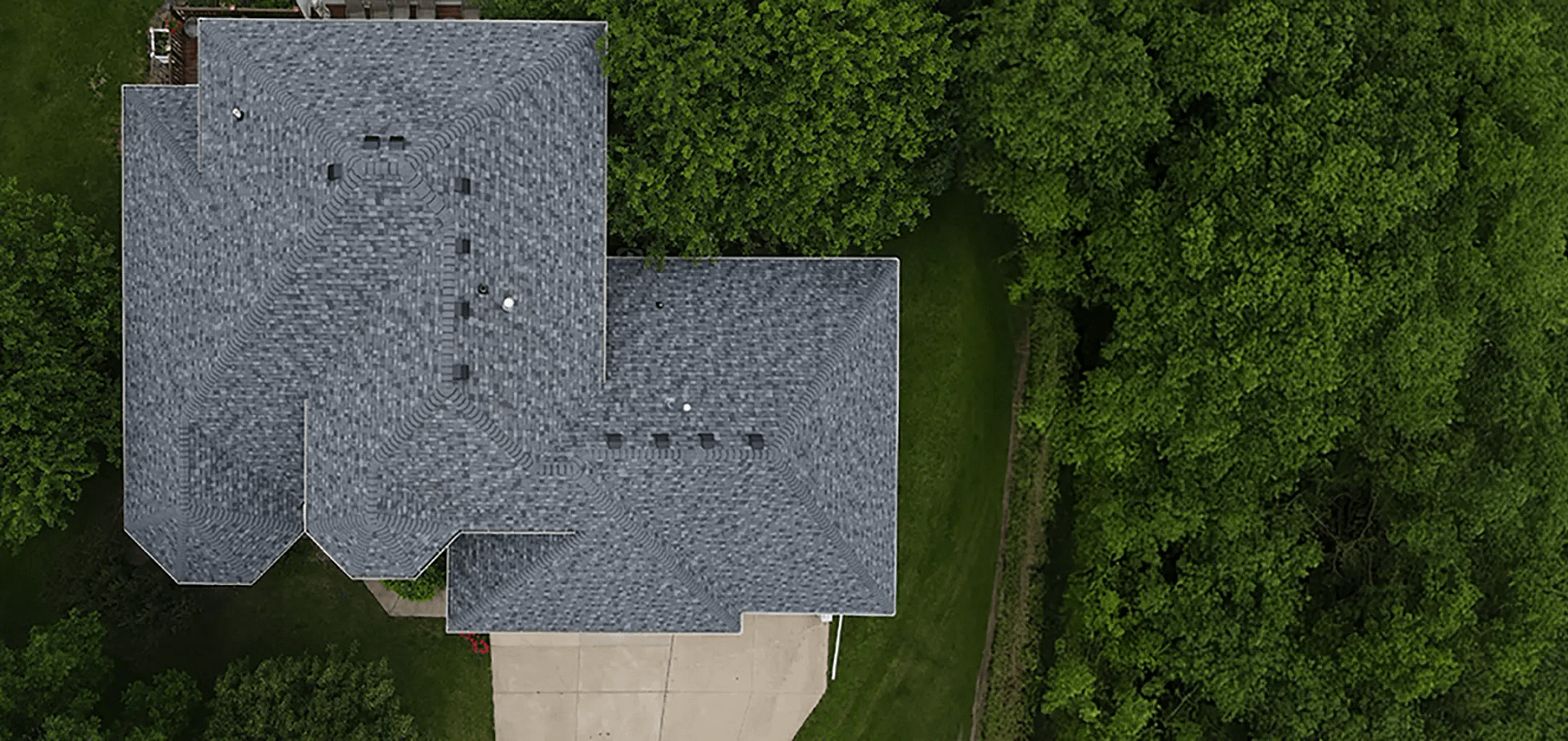
Storm damage roof repair often comes down to the steps you take in the first hours and days after severe weather, when acting quickly can prevent a small problem from becoming major water damage. High winds, hail, and falling debris can compromise your roof in minutes, and knowing exactly what to do next protects both your home and your insurance claim. This guide walks through the safe, smart sequence to follow after a storm so you can recover with less stress and less cost. Here is what this guide covers:
- Immediate steps: What to do safely in the first hours after a storm hits.
- Documentation and claims: How to record damage and file an insurance claim the right way.
- Choosing a roofer: How to find a trustworthy contractor and avoid storm-chasing scams.

Why Acting Quickly After a Storm Matters
Acting quickly after a storm matters because an unaddressed opening in your roof lets water reach the deck, insulation, and interior, turning a modest repair into a costly one. Prompt action also strengthens your insurance claim and helps you get to the front of the line when many homes in the area are damaged at once.
Fast Action Limits Further Damage
Fast action after a storm limits further damage by stopping water intrusion before it spreads into your home’s structure and interior. A small opening left exposed before a rain or freeze-thaw cycle can turn into a much more expensive interior repair, since moisture quickly reaches the decking, framing, insulation, and ceilings. Temporary protection like a tarp buys time and prevents the damage from compounding while you arrange repairs. Homeowners’ policies also require you to take reasonable steps to protect the property from further loss. For homeowners in Denver and surrounding areas, quick action after Iowa’s storms is the key to keeping repairs contained.
- Stops water intrusion: Prompt action prevents moisture from spreading inside.
- Prevents escalation: A small opening can become a costly interior repair.
- Temporary protection: Tarping buys time and limits compounding damage.
- Policy duty: Insurers expect you to prevent further loss after a storm.
Prompt Claims Move Faster
Filing your insurance claim promptly helps it move faster and reduces the risk of delays, denials, or missed deadlines. After a widespread storm, insurers handle a surge of claims at once, so submitting yours quickly can get you closer to the front of the line. Many policies also have strict filing deadlines, sometimes as short as 12 months from the date of damage, and filing too late can mean losing coverage. Early, thorough documentation makes the whole process smoother and your claim stronger. Moving promptly protects both your home and your right to fair compensation.
- Beat the surge: Early filing gets ahead of the post-storm claim rush.
- Meet deadlines: Policies may require filing within a set window.
- Stronger claim: Prompt documentation improves your chances of approval.
- Protect coverage: Filing late can mean losing eligibility entirely.
6 Steps to Take Right After a Storm
Following a clear sequence after a storm helps you protect your home, document the damage, and set up a smooth repair and claim. The six steps below walk through what to do in order, from safety first to choosing a roofer.
1. Put Safety First
Putting safety first is the essential starting point, since a damaged roof and storm debris create real hazards. Before inspecting anything, check your property for downed power lines, unstable structures, broken glass, and fallen debris, and stay clear of any area that looks unsafe. Never climb onto a wet, damaged, or steep roof, and wait for an official all-clear if the storm triggered an emergency order. If you inspect at all, do so from the ground. Protecting yourself and your family always comes before assessing property damage.
- Check for hazards: Look for downed lines, debris, and unstable structures.
- Stay off the roof: Never climb a wet or damaged roof yourself.
- Wait for all-clear: Heed any emergency orders before inspecting.
- Ground-level only: Assess from the ground to stay safe.
2. Inspect and Document the Damage
Inspecting and documenting the damage carefully creates the evidence your insurance claim depends on. From the ground, look for missing or curled shingles, dents from hail, granule loss, fallen debris, and any visible sagging, and check ceilings and the attic for water stains that signal a leak. Take clear, timestamped photos and videos from multiple angles, capturing both close-ups and wide shots that show the full extent. Strong, dated documentation is what supports a successful claim. The more thorough your record, the better your position with the insurer.
- Look for damage: Missing shingles, dents, granule loss, and debris.
- Check inside: Water stains on ceilings or in the attic reveal leaks.
- Photograph everything: Timestamped photos and video from many angles.
- Document thoroughly: Strong evidence supports a stronger claim.
3. Make Temporary Repairs
Making temporary repairs protects your home from further damage while you arrange a permanent fix and file your claim. If it is safe to do so, cover exposed areas with a tarp, board up broken windows, and clear gutters of debris so water can drain, and use fans or a wet/dry vacuum if water has entered. Keep receipts for any tarps, materials, or emergency services, since these costs can often be reimbursed. Do not make permanent repairs before the adjuster sees the damage, and hire a professional for anything involving heights or large debris. Documented temporary protection is usually the right move while paperwork is sorted out.
- Cover openings: Tarp exposed roof areas and board broken windows.
- Keep receipts: Emergency repair costs are often reimbursable.
- Wait on permanent work: Let the adjuster see the damage first.
- Hire out risky work: Use a pro for heights and heavy debris.

4. Review Your Policy and File the Claim
Reviewing your policy and filing the claim promptly gets the insurance process moving on the right footing. Read your declarations page and coverage sections to understand your dwelling coverage, deductible, exclusions, and any special wind or hail deductibles before you call. Then contact your insurer as soon as possible, stating simply that you want to file a claim for storm damage on the date it occurred, and record your claim number and adjuster contact. Ask about the timeline and what documentation to send. A calm, factual, well-prepared call sets up a smoother claim.
- Know your coverage: Check deductibles, exclusions, and special deductibles.
- Call promptly: Report the storm damage as soon as possible.
- Record details: Note your claim number and adjuster contact.
- Ask questions: Confirm the timeline and required documentation.
5. Work With the Adjuster
Working effectively with the insurance adjuster helps ensure your claim reflects the full extent of the damage. The insurer sends an adjuster to inspect, confirm, photograph, and measure the damage and write up a repair estimate, and being present lets you point out every affected area and ask questions. Having your own documentation and a contractor’s inspection findings on hand helps ensure nothing is overlooked. If the adjuster’s assessment seems to miss storm-related damage, you can provide additional photos and a detailed repair scope and ask about the supplemental claim process. Staying engaged protects you from an underfunded claim.
- Be present: Join the inspection to point out all damage.
- Bring evidence: Your photos and a contractor’s findings help.
- Review the scope: Make sure nothing storm-related is missed.
- Supplement if needed: Request reconsideration for overlooked damage.
6. Choose a Trustworthy Roofing Contractor
Choosing a trustworthy roofing contractor is critical, since storm-chasing scammers target stressed homeowners right after severe weather. Walk away from anyone who shows up unsolicited, demands a large cash deposit, offers to waive your deductible, or cannot produce a local license and proof of insurance. A reputable local contractor documents the roof condition, explains the repair scope, and separates storm damage from pre-existing wear, without promising that insurance will pay for a full replacement or urging you to exaggerate the loss. Look for established local roofers with strong reviews and verifiable credentials. The right contractor acts as your knowledgeable advocate through the whole process.
- Beware storm chasers: Avoid unsolicited, high-pressure door knockers.
- Verify credentials: Confirm a local license and proof of insurance.
- Honest scope: A good roofer separates storm damage from old wear.
- Local and reviewed: Choose established roofers with strong reputations.
Storm damage is far from a rare event, which is why knowing these steps matters. As reported by NerdWallet, citing Insurance Information Institute data, wind or hail claims are filed each year for about one in every 36 insured homes, making them among the most common homeowners insurance claims. Being prepared for storm damage before it happens puts you in a far stronger position to recover quickly.
What a Complete Storm Repair Should Address
A complete storm repair addresses more than the obvious missing shingle, since wind and hail often damage several roofing components at once. Making sure the full scope is covered protects your home and prevents repeat problems down the road.
A Thorough Repair Covers the Whole System
A thorough storm repair covers the entire roofing system, not just the single visible problem, because storm damage frequently affects multiple parts at once. Beyond missing shingles, a proper repair checks and addresses the flashing, underlayment, ventilation, gutters, skylights, and nearby siding, any of which can be compromised by wind and hail. Overlooking these related components can leave hidden vulnerabilities that lead to leaks later. A qualified contractor evaluates the whole roof to ensure the repair is complete and lasting. Addressing the full system is what restores your roof’s protection for the long term.
- Beyond the shingle: Storms often damage more than the visible area.
- Check all components: Flashing, underlayment, gutters, and skylights.
- Avoid hidden gaps: Overlooked damage leads to future leaks.
- Whole-roof view: A complete evaluation ensures a lasting repair.
Frequently Asked Questions
What should I do first after a storm damages my roof?
Your first step is to ensure safety by checking for hazards like downed power lines and unstable areas, and staying off the roof. Once it is safe, document the damage from the ground with timestamped photos and make temporary repairs like tarping to prevent further damage. Then review your policy and file your claim promptly.
Should I file an insurance claim for roof storm damage?
If the damage exceeds your deductible, filing a claim is usually worthwhile, but if the repair cost is less than your deductible, it may not be. A professional inspection and documentation help you decide whether filing makes sense. Keep in mind that policies often have filing deadlines, so do not wait too long.
How long do I have to file a storm damage claim?
Filing deadlines vary by insurer and policy, but some are as short as 12 months from the date of the storm damage. Filing too late can mean losing your coverage for that event. It is best to document and file as promptly as possible after the storm.
Can I get on my roof to check for damage myself?
It is safer to inspect from the ground rather than climbing onto a wet or damaged roof, which can be dangerous and can worsen the damage. A quick look from the ground is fine, but a professional roofer can safely spot dents, leaks, and loose shingles you might miss. Leave the close-up inspection to a pro.
How do I avoid roofing scams after a storm?
Avoid contractors who show up unsolicited, demand large cash deposits, offer to waive your deductible, or cannot show a local license and proof of insurance. These are common signs of storm-chasing scams that target homeowners after severe weather. Choose established local roofers with verifiable credentials and strong reviews.
Will my insurance cover all storm damage to my roof?
Coverage depends on your policy, deductible, exclusions, and whether the damage was caused by a covered event like wind or hail rather than normal aging. Insurers assess the cause, timing, and documentation of the damage. Strong documentation and a clear repair scope improve your chances of a fair payout.

Trust Young Construction for Storm Damage Roof Repair
When it comes to storm damage roof repair, Young Construction brings over 20 years of local experience and a clear understanding of the wind, hail, and severe weather that Iowa homes face. We provide a thorough roof inspection after a storm, document the damage clearly, separate storm damage from pre-existing wear, and work alongside your insurance process so your repair addresses the full scope, from shingles and flashing to gutters and ventilation. As a family-owned, fully licensed and insured company with more than 150 five-star reviews, we are the trustworthy local alternative to the storm chasers who target homeowners after severe weather. If a storm has left your roof damaged or you suspect hidden problems, you deserve an honest team that will guide you through repairs and the claim with integrity. Contact Young Construction today to talk through your storm damage and request a detailed, written estimate, and let our team help you protect and restore your home.