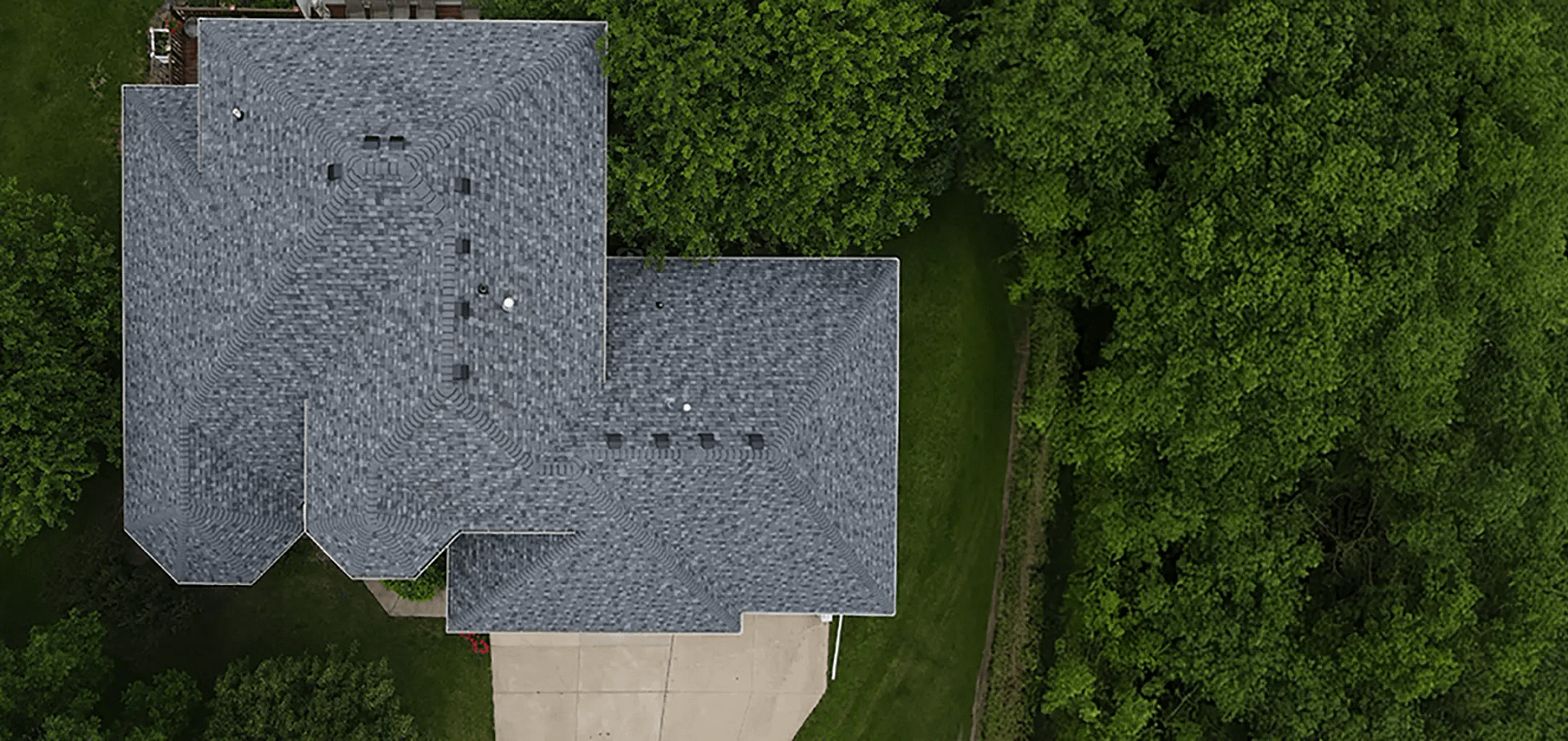
In emergency situations, tarping a roof is one of the fastest ways to prevent further damage after a storm, leak, or structural issue. When your roof is compromised, even a small opening can allow water to enter your home, leading to costly repairs. A properly installed tarp provides temporary protection until permanent repairs can be completed.
- Immediate protection: Prevents water from entering your home.
- Damage control: Reduces the risk of structural and interior damage.
- Short-term solution: Buys time until proper roof repairs are made.
Why Tarping a Roof Is Necessary

When a roof is damaged by storms, fallen debris, or aging materials, it becomes vulnerable to water intrusion. Rain, snow, and moisture can quickly enter through exposed areas and affect insulation, drywall, and structural components. This can lead to mold growth, wood rot, and expensive interior damage.
Tarping a roof helps create a temporary barrier that keeps water out of the home. While it is not a permanent fix, it is a critical step in protecting your property until a full roof repair or replacement can be completed. Acting quickly after damage occurs can significantly reduce long-term repair costs.
5 Steps for Tarping a Roof Safely
Tarping a roof requires careful planning and attention to safety. Following the correct steps helps ensure the tarp is effective and secure.
1. Assess the Damage Safely
Before beginning, evaluate the extent of the damage from the ground if possible. Climbing onto a damaged roof can be dangerous, especially after storms.
- Check visible areas: Look for missing shingles or exposed sections.
- Avoid unstable surfaces: Damaged areas may not support weight.
- Identify tarp coverage area: Determine how much of the roof needs protection.
Safety should always come first during any emergency roofing situation.
2. Gather Materials and Tools
Having the right materials ensures the tarp will stay secure and provide effective coverage.
- Heavy-duty tarp: Choose a durable, waterproof tarp large enough to cover the damaged area.
- Wood boards: Used to secure the tarp edges.
- Nails or screws: Fasten the tarp and boards in place.
- Ladder and safety gear: Ensure safe access to the roof.
Using high-quality materials improves the effectiveness of the temporary repair.
3. Position the Tarp Correctly
Proper placement is critical to ensure water flows off the tarp and does not pool.
- Cover the peak: Extend the tarp over the roof ridge if possible.
- Allow overhang: Ensure the tarp extends beyond the damaged area.
- Smooth the surface: Remove wrinkles to prevent water buildup.
Correct positioning helps direct water away from vulnerable areas.
4. Secure the Tarp Firmly
Once the tarp is in place, it must be secured tightly to withstand wind and weather.
- Attach boards: Place wood boards along the edges of the tarp.
- Fasten securely: Nail or screw boards into the roof decking.
- Check tension: Ensure the tarp is tight and will not flap in the wind.
Proper fastening prevents the tarp from shifting or blowing off.
5. Monitor and Adjust as Needed
After installation, it is important to check the tarp regularly to ensure it remains effective.
- Inspect after storms: High winds may loosen the tarp.
- Check for pooling water: Adjust if water begins to collect.
- Re-secure edges: Tighten any loose sections.
Ongoing monitoring ensures continued protection.
Common Situations That Require Roof Tarping
Tarping is often used in emergency situations where immediate protection is needed.
Storm Damage
- High winds: Can remove shingles or roofing panels.
- Hail impact: May create cracks or holes in the roof.
- Falling debris: Branches can puncture the roof surface.
Storms are one of the most common reasons for emergency tarping.
Sudden Roof Leaks
- Active leaks: Water entering during rainstorms.
- Interior damage: Ceiling stains or dripping water.
- Emergency response: Temporary fix until repairs are scheduled.
Tarping helps stop leaks from worsening.
Structural Damage
- Roof collapse risk: Weak areas may need temporary protection.
- Exposed decking: Open sections allow moisture to enter.
- Immediate stabilization: Helps prevent further deterioration.
Structural issues often require quick action.
Risks of Improper Roof Tarping
Improper tarping can lead to additional problems if not done correctly.
Water Pooling
- Incorrect placement: Tarp may trap water instead of shedding it.
- Added weight: Pooling water can strain the roof structure.
- Leak risk: Water may still enter through weak points.
Proper positioning prevents water accumulation.
Wind Damage
- Loose tarp edges: Can flap and tear during strong winds.
- Improper fastening: May cause the tarp to detach.
- Further damage: Loose materials can damage the roof.
Secure installation is critical for effectiveness.
Safety Hazards
- Slippery surfaces: Wet roofs increase the risk of falls.
- Unstable areas: Damaged roofs may not support weight.
- Improper equipment: Lack of safety gear increases risk.
Safety precautions should always be followed.
When to Move From Tarping to Permanent Repairs
Tarping is only a temporary solution and should not be relied on for long-term protection.

Signs You Need Immediate Repairs
- Recurring leaks: Water continues to enter despite tarping.
- Widespread damage: Large areas of the roof are affected.
- Structural concerns: Roof integrity may be compromised.
Permanent repairs should be scheduled as soon as possible.
Planning for Roof Repair or Replacement
- Inspection results: Determine the extent of damage.
- Repair vs replacement: Evaluate the best long-term solution.
- Timely action: Address issues before they worsen.
Moving quickly from temporary to permanent solutions protects your home.
Protect Your Home With Quick Emergency Action
Understanding the importance of tarping a roof helps homeowners respond quickly to unexpected damage. Taking immediate action can prevent further issues and protect your home until professional repairs are completed.
Get Reliable Roofing Support With Young Construction
Emergency roof situations require fast action and informed decisions. Knowing how to protect your home temporarily helps reduce damage and gives you time to plan the next steps.

Why Homeowners Trust Young Construction
- Emergency expertise: Experience handling storm and roof damage situations.
- Commitment to quality: Focused on durable, long-term roofing solutions.
- Trusted guidance: Helping homeowners navigate urgent roofing issues.
If your roof has been damaged and needs attention, contact Young Construction today for a free estimate and get expert help restoring your home’s protection quickly and effectively.