Knowing when to schedule a tile roof repair can make the difference between a simple fix and a major restoration project. Tile roofs are prized for their timeless beauty and exceptional longevity, but even the strongest roofing systems require attention over time. From cracked tiles to leaks beneath the surface, understanding repair costs and early warning signs helps homeowners protect their investment.
- Early detection: Catching minor damage early prevents major structural issues.
- Cost awareness: Knowing repair price ranges helps with budget planning.
- Roof longevity: Regular maintenance keeps your roof performing for decades.
Why Tile Roofs Need Occasional Repairs
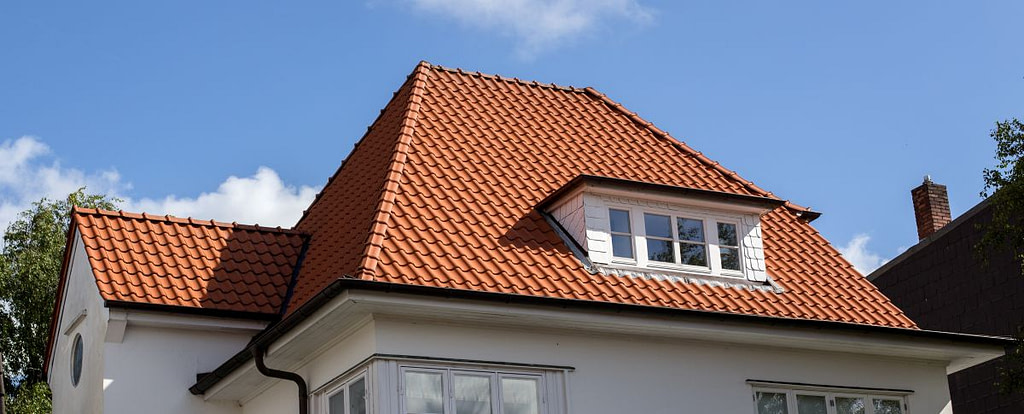
Tile roofs can last 50 years or more, but they are not immune to damage. Weather, age, and installation quality all play a role in how well the system performs over time. Because tiles themselves are durable but not completely watertight, damage to the underlying layers often goes unnoticed until leaks appear.
Over time, exposure to heat, moisture, and debris can cause cracks, slipping tiles, or deterioration of the underlayment beneath. Addressing these issues quickly helps prevent more serious and expensive structural damage.
Average Cost of Tile Roof Repair in 2026
In 2026, the average cost of tile roof repair typically ranges from $900 to $3,000, depending on the type of tile, damage severity, and accessibility of the area being repaired. Minor fixes, such as replacing a few broken tiles, can cost a few hundred dollars, while larger repairs involving underlayment or flashing may exceed $5,000.
| Repair Type | Average Cost (2026) | Description |
| Replace broken or cracked tiles | $8–$25 per square foot | Removing damaged tiles and securing new ones |
| Underlayment replacement | $3–$6 per square foot | Replacing waterproof barrier beneath tiles |
| Flashing repairs | $200–$1,000 | Fixing leaks around vents, chimneys, and valleys |
| Leak detection and patching | $300–$1,200 | Locating and sealing leaks in roof deck or membrane |
| Full section restoration | $2,000–$5,000 | Replacing multiple layers or structural components |
These costs vary by region, tile material (clay, concrete, or slate), and roof pitch. While tile replacement itself is straightforward, most of the expense comes from labor and access since tiles must be carefully removed and reinstalled.
8 Warning Signs That Indicate Tile Roof Repair Is Needed
Even durable roofing materials show signs of wear over time. Recognizing these early warning signs can help prevent more extensive, and expensive, damage down the road.
1. Cracked or Broken Tiles
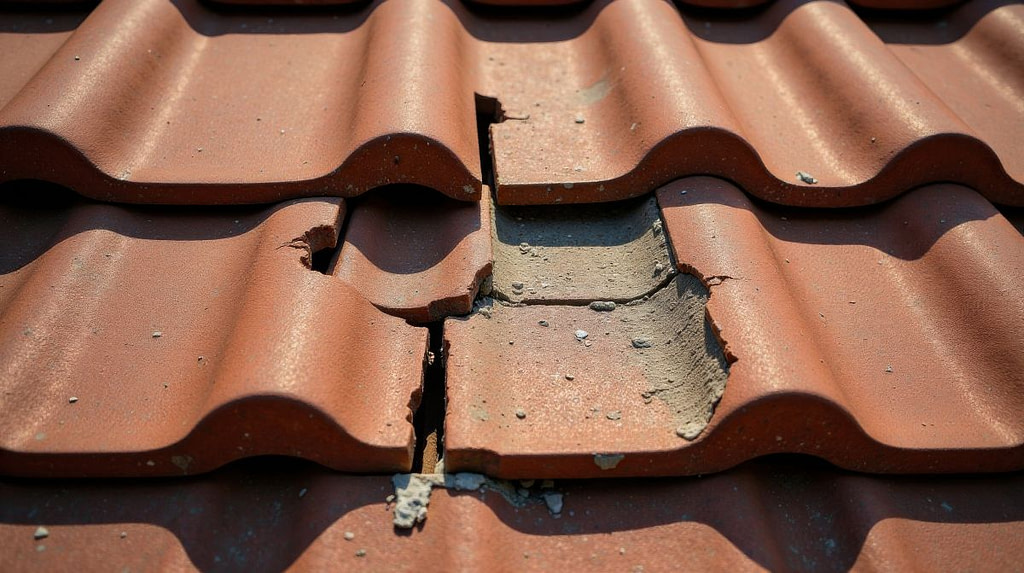
Cracked tiles are one of the most visible signs of roof damage. They can occur from hail, falling branches, or even improper foot traffic during maintenance.
- Why it matters: Broken tiles expose the underlayment to moisture, leading to leaks and wood rot.
- What to do: Replace damaged tiles immediately to prevent further water infiltration.
2. Missing or Slipped Tiles
Tiles that have shifted or gone missing leave gaps where rainwater can enter. High winds or poor adhesive application are common causes of this issue.
- Why it matters: Gaps allow water to reach the roof deck, leading to hidden decay.
- What to do: Re-secure loose tiles and replace missing ones before storms cause more damage.
3. Water Stains on Ceilings or Walls
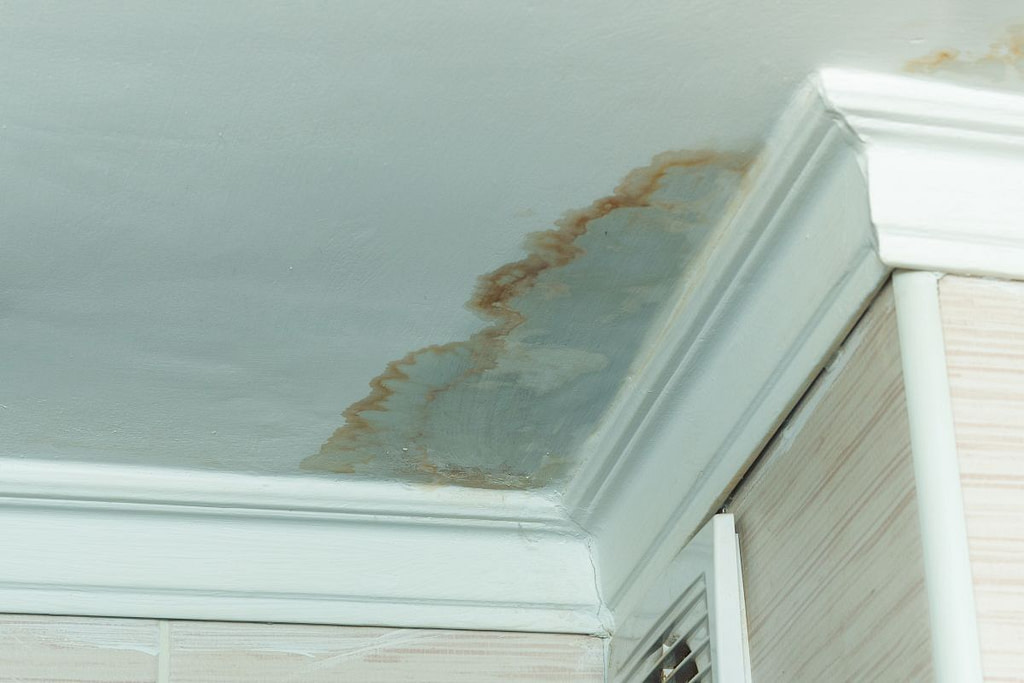
If you notice brown or yellow stains indoors, your roof underlayment may already be compromised. Water can travel long distances under tiles before becoming visible inside your home.
- Why it matters: Stains indicate long-term leaks that can damage insulation and drywall.
- What to do: Schedule an inspection to locate and fix leaks at their source.
4. Moss or Algae Growth
While moss may seem harmless, it traps moisture that accelerates tile deterioration and weakens the underlying structure.
- Why it matters: Persistent moisture shortens the lifespan of both tiles and underlayment.
- What to do: Gently remove moss using a soft brush or mild cleaning solution — avoid pressure washing, which can crack tiles.
5. Sagging Roof Sections
If portions of your roof appear uneven or drooping, it could signal underlying water damage or structural weakness.
- Why it matters: A sagging roof may indicate rotted decking or compromised framing.
- What to do: Have a professional inspect the structure before the problem worsens.
6. Leaks During or After Rain
Active leaks during storms are clear warning signs that your roof’s waterproofing system has failed.
- Why it matters: Even small leaks can lead to mold growth or ceiling collapse if ignored.
- What to do: Temporarily contain leaks with buckets or tarps and arrange for prompt repairs.
7. Damaged Flashing or Valleys
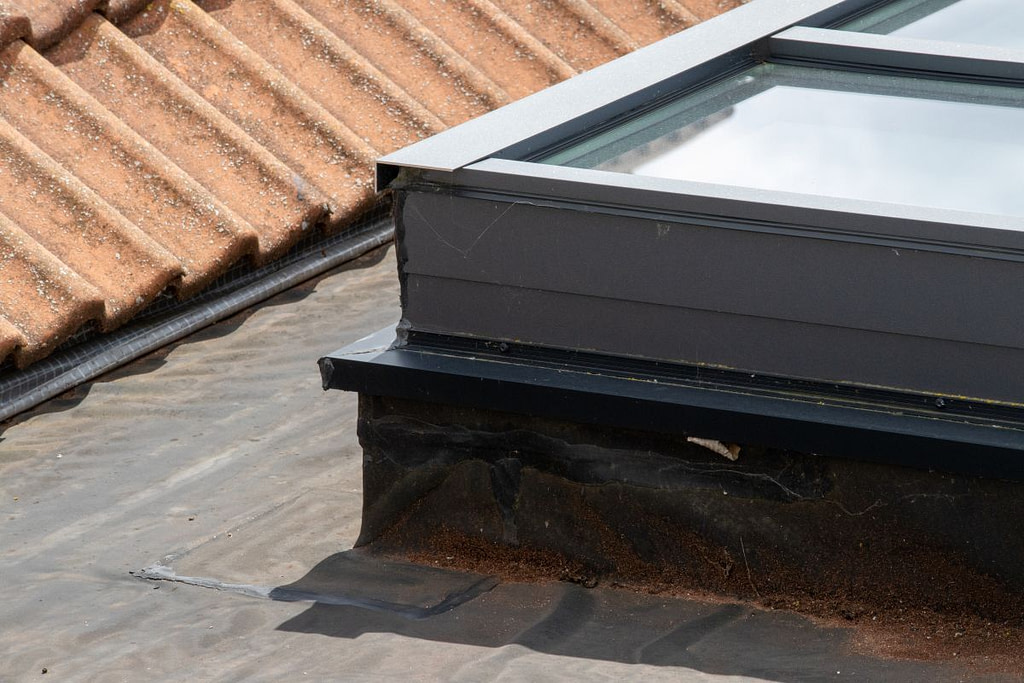
Flashing around chimneys, skylights, or roof valleys directs water safely away. If it cracks, bends, or corrodes, water can slip beneath the tiles.
- Why it matters: Faulty flashing is one of the top causes of roof leaks.
- What to do: Replace damaged flashing and re-seal joints with waterproof materials.
8. Deteriorating Underlayment
Even if your tiles look perfect, the underlayment beneath may be nearing the end of its lifespan. When it begins to deteriorate, water can reach the decking unnoticed.
- Why it matters: Damaged underlayment can cause widespread leaks and hidden wood rot.
- What to do: Replace aging underlayment before damage spreads to the structure.
Factors That Affect Tile Roof Repair Costs
Repair costs can fluctuate significantly depending on several key variables. Understanding these factors helps homeowners plan for accurate budgeting.
- Type of Tile: Clay and slate tiles are heavier and more fragile than concrete, making repairs more labor-intensive. Matching older or specialty tile types can also increase costs due to limited availability.
- Roof Pitch and Accessibility: Steeper roofs require more safety equipment and take longer to repair, raising labor costs. Homes with limited access or multiple roof levels can also increase project complexity.
- Extent of Damage: The size and scope of damage play a major role in determining repair costs. A few cracked tiles may take only hours to fix, while water-damaged underlayment can require full section replacement.
- Age of Roof: Older tile roofs may need additional upgrades to meet current building standards, such as replacing corroded flashing or deteriorated decking.
- Regional Labor Rates: Costs vary depending on local market conditions and the availability of skilled roofing professionals in your area.
Preventive Maintenance Tips for Tile Roofs
Routine maintenance can help extend the lifespan of your tile roof and reduce the frequency of repairs.
- Schedule Regular Inspections: Have your roof inspected at least once a year, preferably before storm season. Early detection of small issues like cracked tiles or failing sealant can prevent more extensive repairs later.
- Keep Gutters and Valleys Clear: Clogged gutters cause water to back up under tiles, damaging underlayment and decking. Cleaning these areas regularly ensures proper drainage.
- Trim Nearby Trees: Overhanging branches can scrape tiles or drop debris that leads to moisture buildup. Keeping vegetation trimmed helps protect your roof surface.
- Avoid Walking on Tiles: Tile roofs can crack under pressure. Always use walk boards or hire professionals equipped to move safely across the roof when maintenance is required.
When To Consider Tile Roof Replacement
If repairs become frequent or your roof is nearing the end of its service life, replacement may be more cost-effective. Most tile roofs last 40 to 70 years, but underlayment usually needs replacement every 20 to 30 years.
Replacement offers an opportunity to upgrade to better materials, improve energy efficiency, and strengthen waterproofing systems.
Protect Your Home With Smart Roofing Knowledge
Understanding the cost and signs of tile roof repair helps homeowners take proactive steps toward preserving their home’s structure and appearance. With the right knowledge and maintenance habits, you can extend the life of your tile roof and avoid expensive surprises.
Stay ahead of roofing problems before they lead to major repairs. Contact Young Construction today for a free estimate and learn how professional guidance can help you keep your roof durable, efficient, and beautiful for years to come.