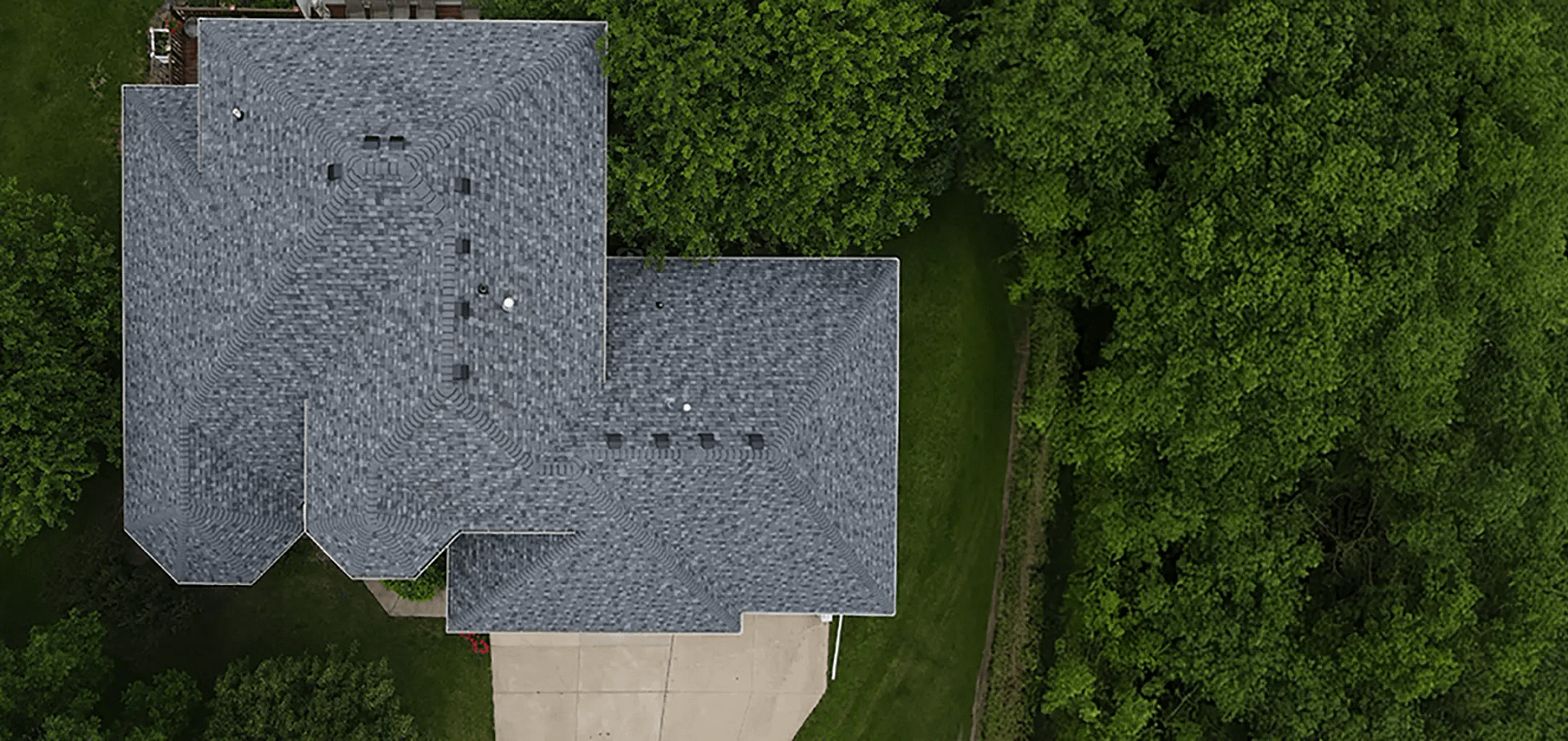
If you own or manage a commercial property, understanding your roofing options is essential — and one of the most popular systems available today is the TPO roof. Short for Thermoplastic Polyolefin, this single-ply membrane roofing material is known for its energy efficiency, affordability, and long-lasting protection. Whether you operate a warehouse, office complex, or retail center, TPO provides reliable performance for flat or low-slope roofs.
- Versatile installation: Works with a variety of roof structures and designs.
- Energy-efficient: Reflects sunlight to help reduce utility costs.
- Durable construction: Withstands heavy weather and foot traffic.
What Is a TPO Roof System?
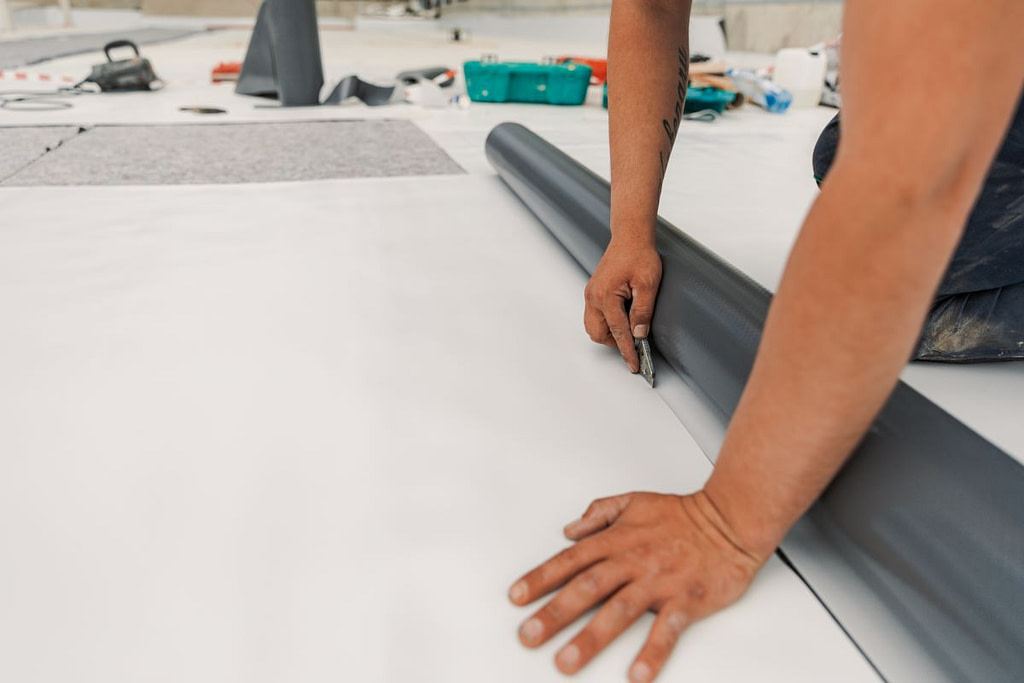
A TPO roof system is made from a single layer of thermoplastic material that combines polypropylene and ethylene-propylene rubber. It is heat-welded at the seams to form a watertight, uniform barrier that protects commercial buildings from leaks and UV exposure.
Unlike traditional asphalt or multi-layer systems, TPO roofs are lightweight, flexible, and environmentally friendly. The membrane typically comes in large rolls that are rolled out and welded together on-site, ensuring consistent coverage and fewer weak points than glued or nailed systems.
TPO roofing has grown in popularity over the past two decades due to its performance balance — it offers many of the same advantages as PVC roofing but at a lower price point.
8 Key Benefits of TPO Roof Systems
TPO roofing delivers a unique combination of strength, efficiency, and cost savings that make it one of the best options for modern commercial buildings. Below are eight reasons property owners and facility managers often choose TPO over other materials.
1. Excellent Energy Efficiency
One of the main reasons commercial property owners invest in TPO is its impressive energy performance.
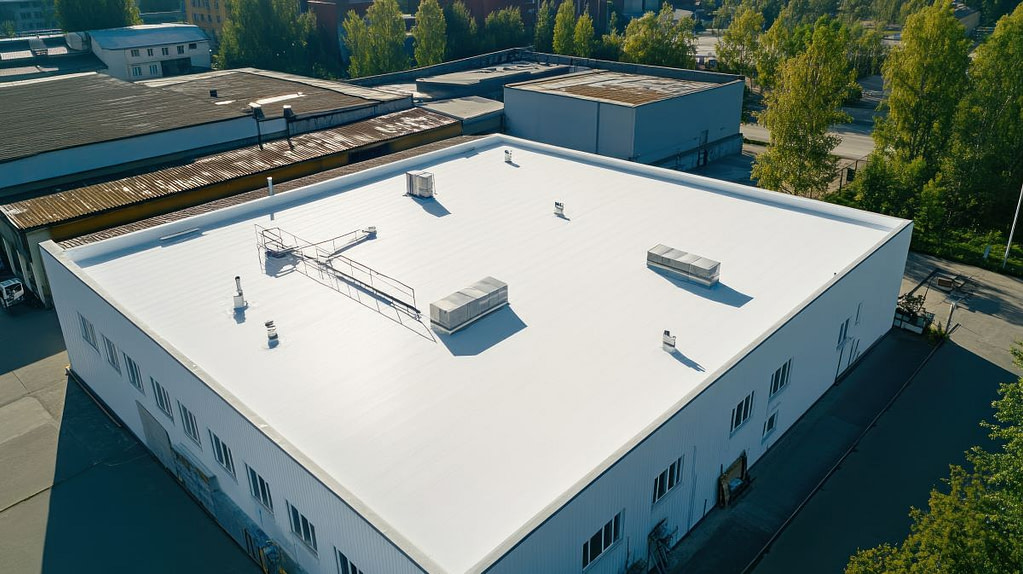
- Reflective surface: White or light-colored TPO membranes reflect up to 80% of UV rays.
- Reduced heat absorption: Keeps interior spaces cooler and reduces HVAC strain.
- Energy cost savings: Helps lower electricity bills, especially in hot climates.
By maintaining stable interior temperatures, TPO roofs contribute to a more comfortable environment and improved energy efficiency year-round.
2. Strong Weather and UV Resistance
TPO roofing membranes are specifically engineered to resist damage from ultraviolet light, ozone exposure, and chemical pollutants — common challenges for commercial roofs.
- UV protection: Prevents premature aging from sunlight exposure.
- Flexible composition: Expands and contracts with temperature changes.
- Wind resistance: Welded seams create a strong, airtight seal.
This level of durability ensures long-term protection even in regions with extreme heat or strong winds.
3. Long Lifespan and Low Maintenance
A properly installed TPO roof can last between 20 and 30 years, depending on environmental conditions and upkeep.
- Minimal upkeep: Requires only semi-annual inspections and cleaning.
- Resistant to dirt and debris: Smooth surface helps prevent buildup.
- Seam strength: Welded joints reduce the risk of leaks or separations.
Routine maintenance helps preserve membrane integrity and extends the roof’s overall lifespan.
4. Affordable Installation and Ownership
Compared to other commercial roofing systems, TPO offers a competitive balance between cost and performance.
- Lower material costs: More affordable than PVC or built-up roofing systems.
- Quick installation: Large membrane rolls speed up labor time.
- Reduced long-term expenses: Fewer repairs and replacements needed.
These factors make TPO one of the best values for large commercial spaces looking to maximize ROI.
5. Environmentally Friendly Composition
Sustainability is increasingly important for business owners, and TPO stands out as one of the most eco-conscious roofing materials available.
- Recyclable material: Can be repurposed at the end of its life cycle.
- Energy efficiency: Reduces greenhouse gas emissions through lower cooling demand.
- Reflective design: Supports green building and LEED certification goals.
Choosing a TPO roof is an environmentally responsible decision that also saves money over time.
6. Superior Leak Protection
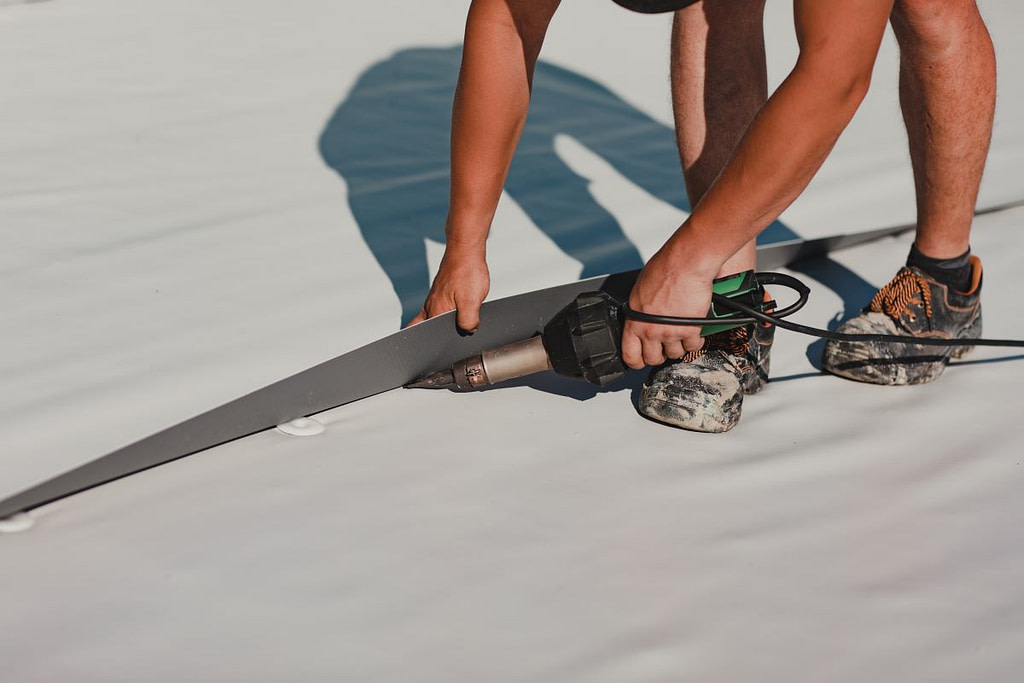
The heat-welded seams used in TPO installation create a strong, waterproof bond that outperforms adhesives or tapes.
- Monolithic membrane: Creates a single, seamless barrier.
- Leak resistance: Fewer seams mean fewer opportunities for water entry.
- Durable joints: Welds are stronger than the membrane itself.
This construction method ensures watertight reliability even under heavy rainfall or standing water conditions.
7. Chemical and Puncture Resistance
TPO roofing is engineered to handle a wide range of environmental and operational challenges found in commercial settings.
- Chemical tolerance: Resists grease, oil, and pollutants.
- Impact resistance: Withstands punctures from tools and light foot traffic.
- Thermal stability: Maintains performance in both hot and cold weather.
For facilities like restaurants, factories, and warehouses, this resilience is invaluable for daily operations.
8. Compatibility With Other Roofing Systems
TPO is highly versatile and can be installed over existing roof structures in many cases, making it an efficient choice for retrofits.
- Overlay potential: Can be applied over older membranes with proper preparation.
- Flexible installation: Works on flat, low-slope, and some pitched roofs.
- Custom thicknesses: Available in multiple grades for specific performance needs.
This adaptability makes it an attractive option for property owners seeking cost-effective upgrades.
Cost of TPO Roof Installation
The cost of a TPO roof depends on several factors, including roof size, material thickness, and insulation type. On average, commercial property owners can expect to pay between $5 and $10 per square foot for professional installation.
Other cost considerations include:
- Roof condition: Older or damaged roofs may require tear-off or preparation.
- Membrane thickness: Thicker TPO membranes (60–80 mils) offer longer lifespans but cost more.
- Insulation choice: Upgrading insulation can improve efficiency but raises material costs.
- Accessibility: Taller or complex roof layouts increase labor requirements.
Despite these variations, TPO remains one of the most cost-effective roofing materials available for commercial use.
TPO Roof Lifespan and Maintenance Tips
Proper care helps TPO roofs reach their full service life while minimizing repairs. Regular inspections ensure early detection of potential issues before they affect your building’s performance.
Maintenance Recommendations
- Inspect twice a year: Schedule inspections in spring and fall.
- Keep clean: Remove debris, leaves, and standing water promptly.
- Check seams and flashing: Watch for separation or membrane stress.
- Avoid heavy traffic: Limit rooftop access unless necessary.
A consistent maintenance plan can add years to your roof’s life and protect your investment from unnecessary wear.
Comparison: TPO vs. Other Commercial Roofing Systems
When evaluating materials, many property owners compare TPO to EPDM (rubber roofing) and PVC (vinyl roofing). Below is a quick overview of how they differ in cost, performance, and durability.
| Feature | TPO | EPDM | PVC |
| Lifespan | 20–30 years | 20–25 years | 25–35 years |
| Energy Efficiency | Excellent (Reflective) | Moderate | Excellent |
| Waterproofing | Excellent | Good | Excellent |
| Cost | $$ | $ | $$$ |
| Maintenance Needs | Low | Low–Moderate | Low |
| Installation Complexity | Moderate | Easy | Moderate |
While EPDM is more affordable, TPO provides better energy efficiency and resistance to punctures, making it a more balanced solution for long-term savings.
Signs Your Building May Need a TPO Roof Replacement
Even the most durable systems eventually show wear. Recognizing early warning signs helps you plan timely repairs or replacement before leaks affect the building interior.
Common Indicators
- Frequent leaks: Suggest seam or membrane deterioration.
- Discoloration: Indicates UV wear or chemical exposure.
- Pooling water: May signal drainage or slope issues.
- Rising energy bills: Suggests reflective coating degradation.
Professional evaluation ensures your roof remains compliant and energy-efficient throughout its service life.
Protect Your Commercial Property With Young Construction
Your roof plays a vital role in protecting your business, employees, and investments. At Young Construction, we specialize in TPO roof installations that combine energy efficiency, weather resistance, and long-term reliability — all backed by expert craftsmanship.
Upgrade your building’s protection and energy performance today. Contact Young Construction and discover how a TPO roof can deliver long-term value and dependability for your commercial property.