The many types of vinyl siding fall into a handful of core categories that cover both how the siding looks and how it performs, so understanding them is the first step to choosing the right exterior for your home. Vinyl is the most popular siding material in the United States, and it comes in horizontal, vertical, and shake profiles, as well as insulated versions and a range of thickness grades that affect durability and price. Knowing these types helps you balance curb appeal, budget, and performance with confidence. Here is what this guide covers:
- The main types: The six core categories of vinyl siding by style and performance.
- Cost and durability: What vinyl siding costs, how long it lasts, and what it is made of.
- How to choose: How to match a type to your home’s architecture, climate, and budget.

What Is Vinyl Siding and Why Is It So Popular?
Vinyl siding is an engineered exterior cladding made primarily from polyvinyl chloride, or PVC, used to weatherproof and decorate homes while imitating the look of wood. It is the most widely used siding in the country because it delivers a low installed cost, minimal maintenance, and a broad range of styles and colors.
Vinyl Siding Is Made Mostly From PVC
Vinyl siding is manufactured primarily from PVC resin, which makes up roughly 80 percent of its weight, with the remaining share made of additives for color, gloss, impact resistance, and durability. This composition is what gives vinyl its combination of light weight, weather resistance, and affordability, and it is why the material never needs painting or staining. The additives also determine how well the siding resists fading and cracking over time. Understanding what vinyl is made of helps explain both its strengths and its limits. For homeowners in Clear Lake and surrounding areas, that durability and low upkeep are a big part of vinyl’s appeal.
- PVC based: Roughly 80 percent PVC resin by weight.
- Performance additives: The rest adds color, gloss, and impact resistance.
- Low maintenance: The material never needs painting or staining.
- Weatherproof: Composition drives its resistance to the elements.
Vinyl Is the Most Affordable Popular Siding
Vinyl siding is the most affordable of the mainstream siding materials, which is a major reason it is so widely used across the country. It typically costs about $3 to $12 per square foot installed, and a full re-side on an average home usually falls between $5,000 and $15,000 depending on the home’s size, the profile, and the grade. That value, combined with its low maintenance and wide style selection, makes it a practical choice for many budgets. Its main tradeoffs are that it can crack in extreme cold and warp near high-heat sources. Weighing cost against those limits helps you decide if vinyl is right for your home.
- Lowest mainstream cost: Roughly $3 to $12 per square foot installed.
- Full re-side range: Often $5,000 to $15,000 for an average home.
- Strong value: Affordable with low maintenance and wide selection.
- Known limits: Can crack in deep cold or warp near heat sources.
6 Types of Vinyl Siding to Consider
Vinyl siding spans several core types that cover both appearance and performance, from classic horizontal profiles to insulated and premium-grade options. The six types below capture the main choices homeowners weigh when residing a home.
1. Horizontal Lap Siding
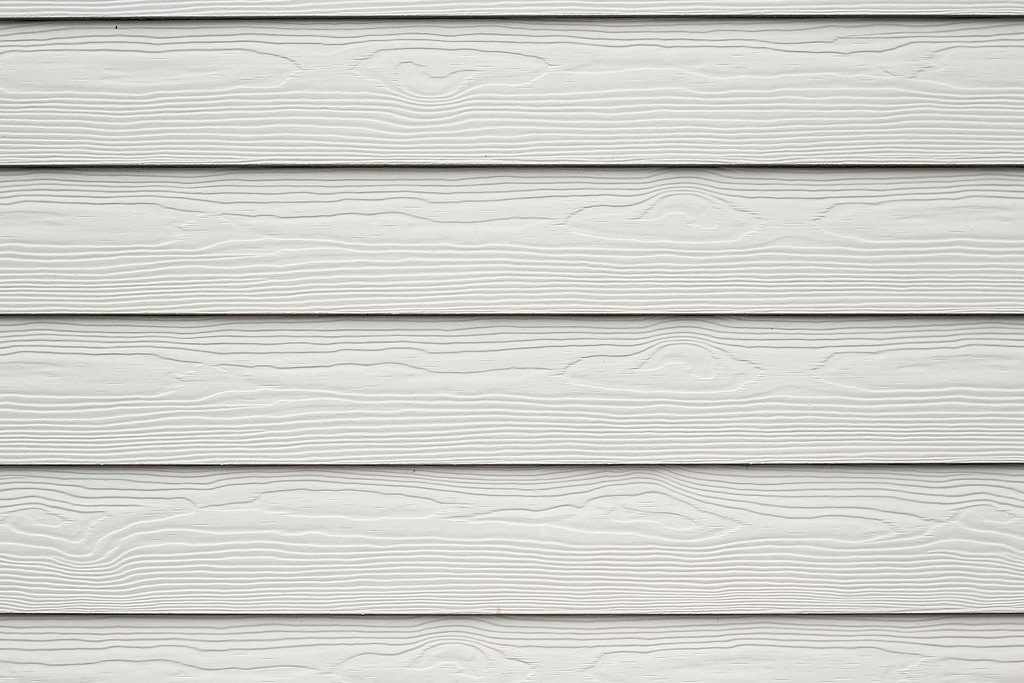
Horizontal lap siding is the most popular and traditional type of vinyl siding, featuring long planks that run side to side and overlap slightly for clean, even lines. This family includes clapboard, the timeless standard, as well as Dutch lap, which adds a decorative groove and shadow line for extra depth, and beaded, which has a rounded bead along each panel’s base. Horizontal siding has been a favorite for centuries because it suits nearly any home and comes in many widths and textures. Its clean, classic look is hard to date, making it a safe long-term choice. For most homes, horizontal lap is the default starting point.
- Most popular: The timeless, widely used horizontal style.
- Includes sub-styles: Clapboard, Dutch lap, and beaded profiles.
- Versatile: Comes in many panel widths and textures.
- Safe choice: A classic look that resists feeling dated.
2. Vertical and Board and Batten Siding
Vertical siding, most often seen as board and batten, runs top to bottom instead of side to side and creates a bold, distinctive look. Board and batten alternates wide panels with narrow strips, called battens, giving a home a sense of height and a modern or farmhouse character. Originally used on barns and farmhouses, it has surged in popularity for contemporary designs and works well either across a whole home or as an accent on gables and entryways. Its vertical lines make it one of the most eye-catching types available. For homeowners wanting a standout, current look, vertical siding delivers.
- Runs vertically: Board and batten alternates wide boards and battens.
- Modern or farmhouse: Delivers a bold, contemporary or rustic feel.
- Whole home or accent: Works across a facade or on gables.
- Eye-catching: Vertical lines stand out strikingly.
3. Cedar Shake and Shingle Siding
Cedar shake vinyl siding replicates the rustic, textured look of natural cedar wood shakes and shingles without the high maintenance real wood demands. It captures the hand-split character of cedar while resisting rot, insects, and fading, and it comes in staggered or straight-edge layouts and varied textures. Because a full home of shake can feel busy, it is often used as an accent on gables, dormers, and upper stories to break up large wall areas. It pairs especially well with horizontal lap on the main body of the home. Cedar shake adds warmth and texture that flat profiles cannot match.
- Rustic texture: Mimics natural cedar shakes without the upkeep.
- Low maintenance: Resists rot, insects, and fading unlike real wood.
- Great accent: Often used on gables and upper stories.
- Adds warmth: Brings texture that flat profiles lack.

4. Insulated Vinyl Siding
Insulated vinyl siding is vinyl laminated with a rigid foam backing that fills the space behind the panel, adding energy efficiency and durability. The foam creates a thermal break that reduces heat transfer through the wall, which can lower energy bills and is especially valuable in climates with big temperature swings. It also adds rigidity that helps the siding resist impact and lie flatter, and it dampens outside noise. Insulated siding costs more than standard vinyl but delivers added performance that can pay back over time. For cold-climate homes in Clear Lake and surrounding areas, it is a type well worth considering.
- Foam backing: Rigid foam laminated behind the vinyl panel.
- Energy efficient: Creates a thermal break that cuts heat transfer.
- More durable: Added rigidity resists impact and warping.
- Cold-climate value: Performance often pays back in harsh climates.
5. Specialty and Accent Profiles
Specialty and accent profiles, such as scalloped and half-round shingles, add decorative character to specific areas of a home rather than covering the whole exterior. Scalloped siding, also called fish scale, uses overlapping half-round shingles that shine on the gable ends of Victorian and cottage-style homes. These ornamental profiles bring visual interest to areas that would otherwise be plain, and they are almost always combined with a main profile like horizontal lap or shake. Used well, they create a custom, high-end, storybook look. For homeowners restoring or accenting a detailed home, specialty profiles are the finishing touch.
- Decorative accents: Scallop and half-round shingles add character.
- Gable use: Best on gables and detailed areas, not whole homes.
- Period charm: Ideal for Victorian and cottage-style homes.
- Custom look: Combined with a main profile for a distinctive result.
6. Grades and Thickness Levels
Beyond style, vinyl siding comes in different grades and thicknesses that significantly affect durability, appearance, and price. The thinnest common vinyl is around .040 inch, known as builder’s grade, while premium products can be noticeably thicker, and this added thickness generally brings more rigidity, a richer look, and better long-term performance. Thicker, higher-grade siding tends to resist warping and lie flatter, though opinions differ on how thickness relates to cold-weather crack resistance. Choosing a grade is a balance of budget against durability and appearance. Matching the grade to how long you plan to stay in the home helps you spend wisely.
- Thickness range: Builder’s grade starts around .040 inch, premiums are thicker.
- More rigidity: Thicker panels lie flatter and look richer.
- Better longevity: Higher grades tend to resist warping over time.
- Budget balance: Match grade to your durability and appearance goals.
Understanding grade and thickness helps you compare vinyl siding accurately. According to the online encyclopedia Wikipedia, vinyl siding is roughly 80 percent PVC resin by weight, and the thinnest commonly used product is about .040 inch, known as builder’s grade, with thicker premium lines offering more rigidity and durability. Knowing these specifications makes it easier to weigh one product line against another when comparing quotes.
How Do You Choose the Right Type of Vinyl Siding?
Choosing the right type of vinyl siding comes down to matching the style to your home’s architecture, the grade to your budget and durability needs, and the performance features to your climate. The best decisions start with the home itself rather than with a trend.
Match Style, Grade, and Climate to Your Home
Matching style, grade, and climate features to your home is the surest path to a result that looks intentional and performs well. Traditional homes like Colonials and Cape Cods pair naturally with horizontal lap, farmhouse styles suit board and batten or shake, and detailed Victorians shine with scalloped accents on the gables. In cold climates, insulated vinyl and a thicker grade add real performance value, while any home benefits from a grade chosen to last. Many homeowners mix profiles, such as lap on the body with shake on the gables, for a custom look. A professional can help homeowners in Clear Lake and surrounding areas weigh style, grade, and climate together.
- Style to architecture: Match the profile to your home’s design.
- Grade to budget: Balance thickness and durability against cost.
- Features to climate: Insulated vinyl adds value in cold regions.
- Mix for character: Combining profiles creates a custom, high-end look.
Frequently Asked Questions
What are the main types of vinyl siding?
The main types of vinyl siding are horizontal lap (including clapboard, Dutch lap, and beaded), vertical board and batten, cedar shake, insulated vinyl, specialty accent profiles like scallop, and different thickness grades. Some describe the styles broadly as horizontal, vertical, and shake. The right type depends on your home’s style, climate, and budget.
How much does vinyl siding cost?
Vinyl siding typically costs about $3 to $12 per square foot installed, with a full re-side on an average home usually running $5,000 to $15,000. Insulated and premium-grade vinyl cost more than builder’s grade. A detailed, written estimate gives you an accurate figure for your home.
What is the difference between clapboard and Dutch lap siding?
Both are horizontal lap profiles, but clapboard has flat overlapping planks with clean lines, while Dutch lap adds a decorative groove along the top edge that creates a shadow line and a hand-carved look. Dutch lap reads as slightly more detailed and elegant. Clapboard is the more traditional, understated of the two.
Is insulated vinyl siding worth it?
Insulated vinyl siding costs more upfront but adds a thermal break that reduces heat transfer, along with greater rigidity and better noise dampening. In cold climates with big temperature swings, the energy savings and added durability often make it worthwhile. A professional can help you weigh the added cost against the benefits for your home.
How thick should vinyl siding be?
The thinnest common vinyl siding is about .040 inch, known as builder’s grade, while premium products are thicker and generally more rigid and durable. Thicker grades tend to lie flatter and resist warping, though views differ on cold-weather crack resistance. Choosing a thickness is a balance of budget against durability and appearance.
How long does vinyl siding last?
Vinyl siding generally lasts around 10 to 20 years or more depending on the grade, installation quality, climate, and maintenance, with fading being a common issue over time. Higher grades and insulated products tend to last longer. Harsh sun, storms, and temperature extremes can shorten its lifespan.

Trust Young Construction for Your Vinyl Siding
When it comes to choosing among the types of vinyl siding for your home, Young Construction brings over 20 years of local experience and a clear understanding of what Iowa’s weather demands from an exterior. We help you weigh horizontal lap, board and batten, shake, insulated vinyl, and the right grade for your budget, then install it with the precision that makes the finished look clean, straight, and built to last. As a family-owned, fully licensed and insured company with more than 150 five-star reviews, we treat your home with genuine care and help you visualize your options before any work begins. If you are planning new siding or a full exterior refresh, you deserve guidance that starts with your home, your climate, and your goals. Contact Young Construction today to talk through your siding options and request a detailed, written estimate, and let our team help you choose an exterior you will love for years.