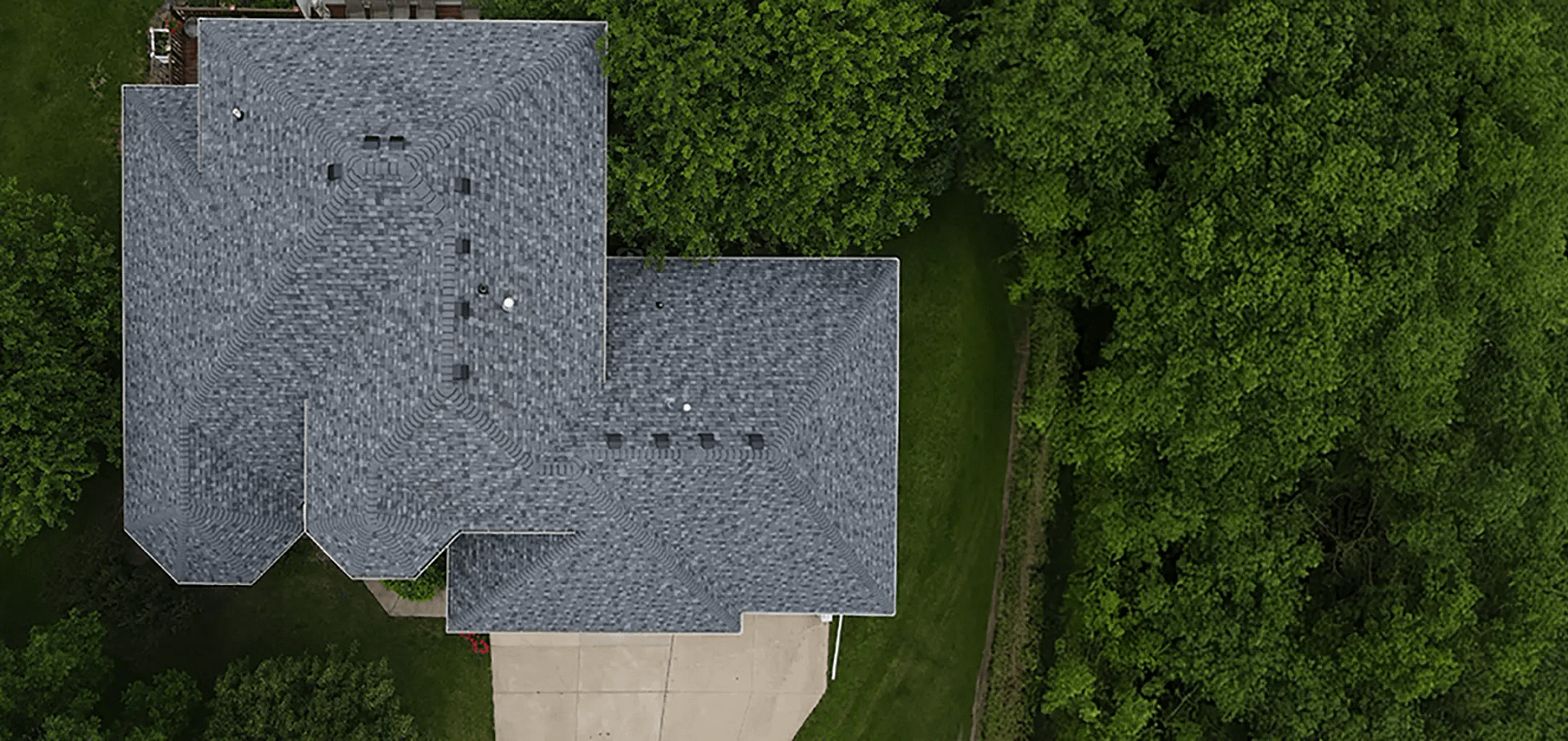
Choosing the right underlayment for metal roof installations is just as important as selecting the metal panels themselves. Underlayment acts as the hidden layer of protection between your roof decking and the metal surface, keeping your home safe from leaks, condensation, and temperature changes. Whether you’re building a new home or upgrading an existing roof, understanding the different types of underlayment ensures your investment lasts for decades.
- Moisture protection: Prevents leaks, rot, and corrosion from trapped water.
- Energy efficiency: Adds insulation and temperature stability.
- Longevity: Extends the life of your roofing system by preventing early wear.
What Is Roof Underlayment and Why It Matters
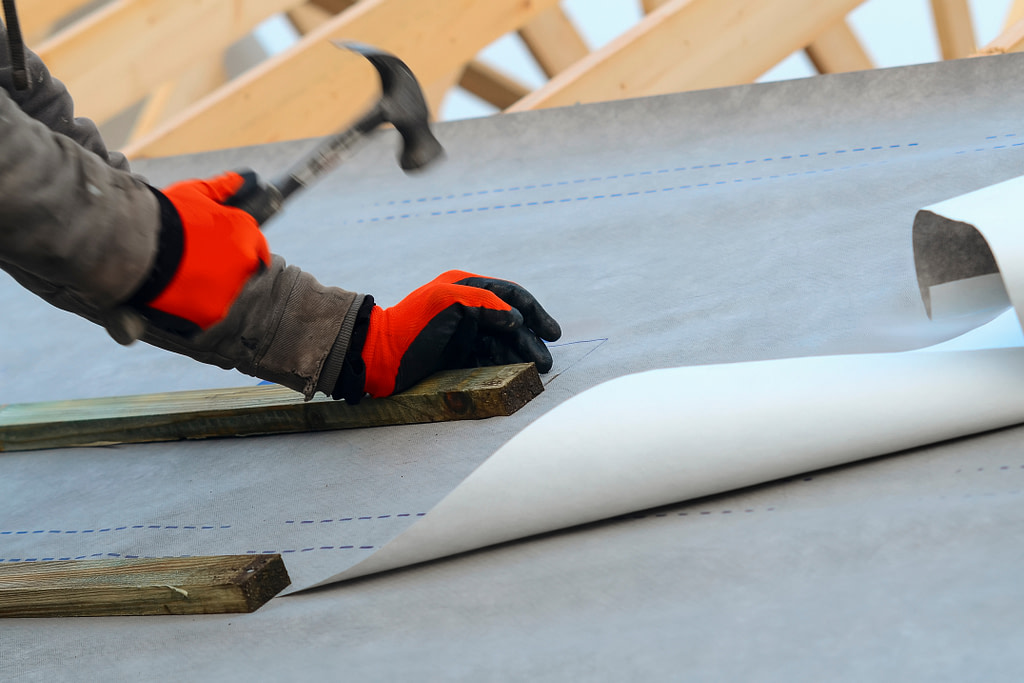
Underlayment is a waterproof or water-resistant barrier installed directly on the roof deck before the metal panels go on. It serves as an additional line of defense against moisture, especially during heavy rain or wind-driven storms.
While metal roofs are extremely durable, they still need a reliable underlayment to protect the structure from condensation, leaks, and temperature shifts. Without this barrier, even the best metal roof can be vulnerable to hidden damage over time.
Benefits of a Quality Underlayment
Choosing high-quality underlayment improves roof performance, comfort, and efficiency. It’s one of the most effective ways to enhance your roof’s durability and protect your home from long-term weather impacts.
Enhanced Water Resistance
- Leak prevention: Keeps water from seeping into the roof deck or attic.
- Condensation control: Helps prevent moisture buildup beneath the metal panels.
- Storm protection: Reduces the risk of leaks during heavy rainfall or wind.
Improved Energy Efficiency
- Reflective surface: Helps manage attic temperatures by reflecting radiant heat.
- Insulating barrier: Reduces heat transfer for better indoor comfort.
- Lower energy bills: Less strain on heating and cooling systems.
Added Noise and Fire Protection
- Sound dampening: Minimizes noise from rain or hail hitting the roof.
- Fire resistance: Many underlayment materials have fire-retardant properties.
- Comfort improvement: Makes metal roofs quieter and safer.
6 Best Options For Metal Roof Underlayment
Not all underlayments perform the same. Each material offers unique advantages depending on your roof type, climate, and budget. Below are the six best options to consider when choosing underlayment for metal roofs.
1. Synthetic Underlayment
Synthetic underlayments are made from polypropylene or polyethylene materials. They are lightweight, durable, and highly resistant to tearing, making them one of the most popular modern choices for metal roofs.
- Durability: Resists tearing, wrinkling, and UV exposure.
- Water resistance: Provides superior protection against leaks and wind-driven rain.
- Cost range: Typically $0.25–$0.50 per square foot.
- Best for: Residential and commercial roofs needing long-lasting performance.
This type of underlayment offers a good balance of affordability, protection, and ease of installation.
2. Felt (Asphalt-Saturated) Underlayment
Felt underlayment, also called “tar paper,” has been used for decades. It’s made from fiberglass or paper saturated with asphalt to resist water.
- Durability: Moderate; can tear under high heat or heavy foot traffic.
- Water resistance: Reliable in mild weather but less ideal for humid climates.
- Cost range: $0.10–$0.30 per square foot.
- Best for: Budget-friendly projects or smaller roofs.
Although affordable, felt underlayment doesn’t match the lifespan of synthetic options and may need replacement sooner.
3. Self-Adhering (Peel-and-Stick) Underlayment
Self-adhering underlayment features a rubberized asphalt base with a peel-and-stick backing for easy installation. It provides a watertight seal that’s ideal for leak-prone areas.
- Durability: Excellent adhesion and long-term flexibility.
- Water resistance: Outstanding waterproof protection, especially near valleys or eaves.
- Cost range: $0.50–$0.90 per square foot.
- Best for: Roofs in storm-prone or coastal regions.
This type of underlayment creates a tight seal around fasteners, reducing the chance of leaks under high winds or heavy rain.
4. Butyl-Based Underlayment
Butyl-based underlayment is similar to rubberized asphalt but offers greater heat and chemical resistance. It maintains flexibility even under extreme temperature fluctuations.
- Durability: High resistance to UV, heat, and corrosion.
- Water resistance: Excellent; ideal for long-term protection.
- Cost range: $0.60–$1.00 per square foot.
- Best for: Metal roofs in hot, sunny, or industrial environments.
This option is often used on premium metal roofing systems because of its superior adhesion and long-lasting performance.
5. Fiberglass-Reinforced Underlayment
Fiberglass-reinforced underlayment combines asphalt with fiberglass fibers for added strength. It’s less prone to tearing than traditional felt and provides better weather protection.
- Durability: Reinforced construction improves lifespan and stability.
- Water resistance: Strong protection against water intrusion.
- Cost range: $0.30–$0.60 per square foot.
- Best for: Homeowners seeking improved strength over standard felt.
This underlayment is a good middle-ground option for homeowners who want traditional materials with modern enhancements.
6. Radiant Barrier Underlayment
Radiant barrier underlayment uses reflective aluminum foil to block radiant heat from entering the attic space. It’s designed to improve energy efficiency in warm climates.
- Durability: Moderate; reflective layer may scratch during installation.
- Water resistance: Good, though often combined with another underlayment layer.
- Cost range: $0.50–$1.00 per square foot.
- Best for: Hot climates where reducing heat transfer is a top priority.
Radiant barriers are not primarily waterproof but work best as an added layer beneath synthetic or self-adhering underlayments.
Factors To Consider When Choosing Underlayment
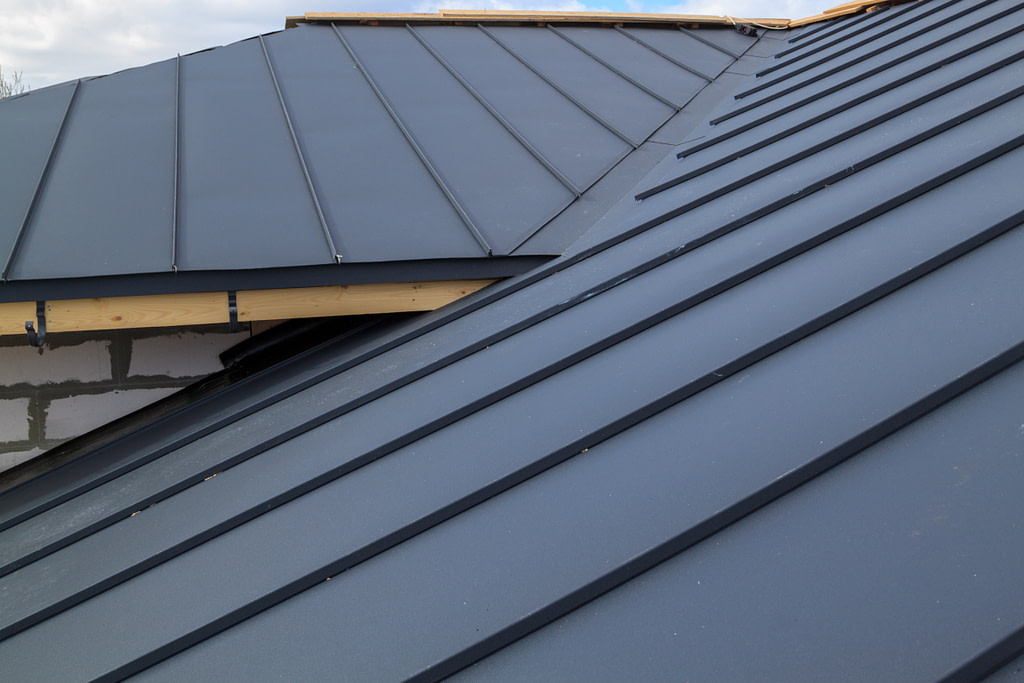
The best underlayment for metal roof systems depends on your location, roof slope, and budget. Here are the key factors to weigh before making your decision.
Climate Conditions
- Cold climates: Self-adhering or butyl-based options perform well by sealing tightly against ice and snow.
- Hot climates: Radiant barrier and synthetic materials reflect heat effectively.
- Humid regions: Choose moisture-resistant underlayments like butyl-based or synthetic types.
Roof Design
- Steep slopes: Lightweight synthetic underlayment is easier to install safely.
- Low slopes: Use self-adhering options for better water resistance.
- Complex roofs: Combine multiple underlayments for enhanced protection in valleys and joints.
Budget and Longevity
- Short-term savings: Felt is the most affordable but less durable.
- Long-term value: Butyl and synthetic options provide longer warranties and require fewer replacements.
- Energy efficiency: Radiant barriers may cost more but lower utility bills over time.
Common Installation Mistakes To Avoid
Proper installation is crucial to ensure your underlayment performs as intended. Even the best material can fail if applied incorrectly.
- Skipping overlaps: Always overlap seams by at least four inches to prevent leaks.
- Ignoring ventilation: Poor airflow beneath the roof can lead to condensation buildup.
- Using wrong fasteners: Use approved nails or staples that won’t puncture or tear the material.
- Installing on dirty surfaces: Dust and debris can weaken adhesion for peel-and-stick products.
Taking the time to install underlayment correctly ensures a watertight barrier and maximizes roof lifespan.
Protecting Your Roof Starts Beneath the Surface
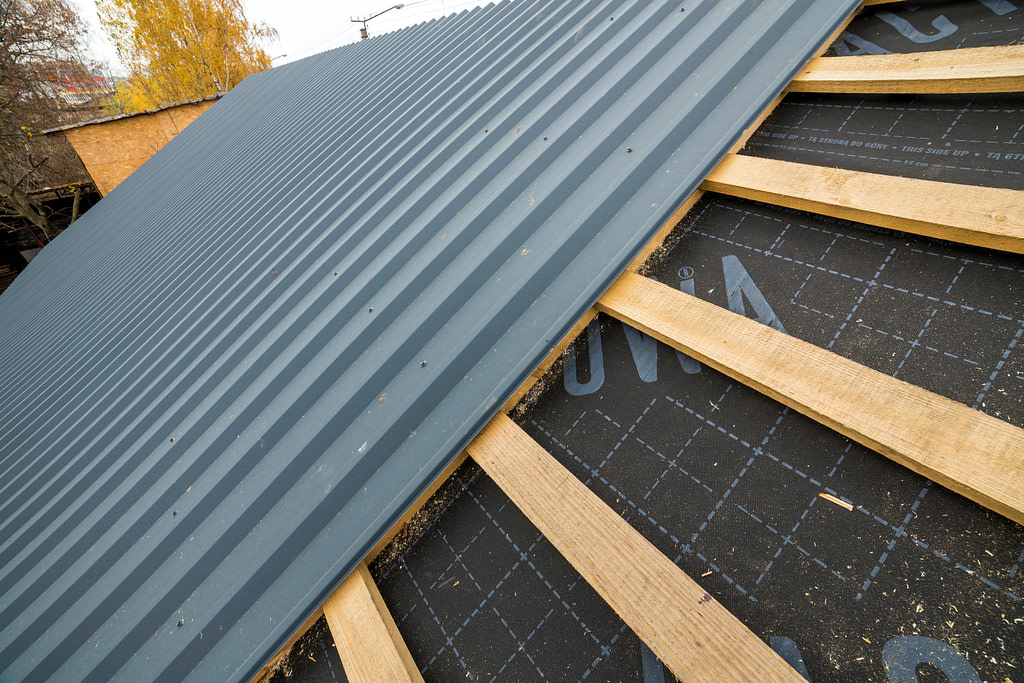
Your roof’s strength begins with what’s underneath. The right underlayment determines how well your metal roof performs through storms, heat, and time. Whether you choose synthetic, butyl, or radiant barrier materials, investing in quality protection today means fewer headaches and repairs tomorrow.
Your home deserves a roof built for the future. Contact Young Construction today for a free estimate and learn how the right underlayment can enhance durability, efficiency, and long-term protection for your entire roofing system.