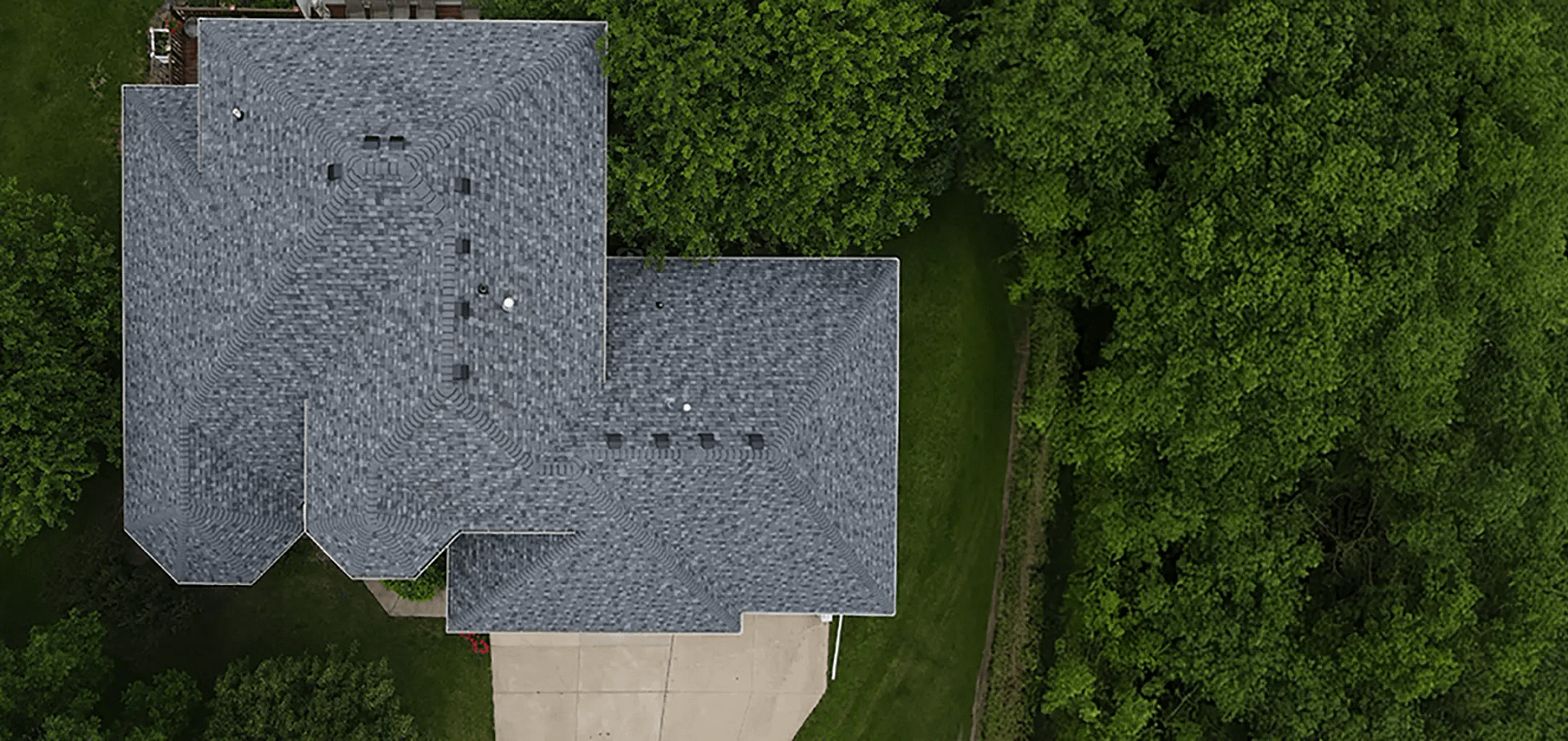
Are you wondering “what is fascia on a house“? Fascia on a house is the long, straight board that runs along the lower edge of your roof, mounted to the ends of the roof rafters or trusses, and it is one of the hardest-working trim pieces on your entire home. Though most homeowners never give it a second thought, the fascia supports your gutters, seals off the roofline from moisture and pests, and gives the roof a clean, finished look. When it fails, the damage rarely stays contained, since rotting fascia drags down gutters, lets water into the roof deck, and opens the door to far costlier repairs. Here is what this guide covers:
- Definition and function: What fascia is, where it sits, and the jobs it quietly does every day.
- Material types: The most common fascia materials and how they compare on cost and durability.
- Importance and care: Why fascia matters for your roof and how to spot trouble early.
What Is Fascia and Where Is It Located?

Fascia is the vertical band of board that runs horizontally along the edge of your roof, right where the roof meets the exterior walls of your home. It sits directly behind your gutters and caps the exposed ends of the rafters, forming the visible “face” of your roofline that you see when you look up from the street.
Where Exactly Does Fascia Sit on the Roof?
Fascia sits along the entire perimeter of your roofline wherever the roof edge overhangs the exterior walls, specifically along the eaves where it meets the ends of the roof rafters. If you step outside and look up at the edge of your roof, the flat board running along it with its broad side facing outward is the fascia. In most homes it is the board your gutters are mounted to, which makes it easy to spot since it sits directly behind the gutter run. It works in tandem with the soffit, the horizontal panel tucked underneath it. Homeowners in Forest City and surrounding areas can usually identify their fascia simply by following the line of their gutters.
- Along the eaves: Fascia runs horizontally where the roof’s lower edge overhangs the walls.
- Behind the gutters: In most homes the gutter system mounts directly onto the fascia board.
- At the rafter ends: Fascia caps the exposed ends of the roof rafters or trusses.
- Paired with soffit: The soffit panel sits underneath, enclosing the underside of the overhang.
How Is Fascia Different From Soffit?
Fascia and soffit are two different parts of the roof edge that work together, with fascia being the vertical board you see from the street and soffit being the horizontal panel underneath that you see when standing below the eave. The fascia handles structural support and water protection, holding the gutters and sealing the roofline, while the soffit provides attic ventilation and a finished underside. Confusing the two is common, but they serve distinct roles in keeping your roof healthy. Together they form a sealed, ventilated system that protects the edges of your roof. Knowing the difference helps you describe problems accurately when you call a roofer.
- Fascia is vertical: It faces outward along the roof edge and carries the gutters.
- Soffit is horizontal: It faces downward under the overhang and allows attic airflow.
- Different jobs: Fascia protects and supports, while soffit ventilates the attic.
- One system: Both pieces seal and finish the roof edge as a matched pair.
What Does Fascia Do for Your Home?
Fascia performs several essential jobs that protect both the structure and the appearance of your home, far beyond just looking neat. It anchors your gutters, blocks moisture and pests, and ties the roofline together into a clean, finished edge.
Why Is Fascia So Important for Your Gutters?
Fascia is critical for your gutters because it is the surface they physically attach to, bearing the full weight of the gutter system plus the water, leaves, and ice it carries. During a heavy downpour, the gutters on an average home can channel several gallons of water per second, and every bit of that load transfers to the fascia board. If the fascia is weak or rotted, gutter brackets loosen, the gutters sag or pull away from the house, and water spills where it should not. A solid fascia keeps the entire drainage system aligned and working, which in turn protects your siding and foundation. Strong fascia is the foundation of a gutter system that actually does its job.
- Gutter anchor: Brackets fasten directly into the fascia to hold the gutters in place.
- Load bearing: Fascia supports the weight of water, debris, and winter ice in the gutters.
- Alignment: Sound fascia keeps gutters pitched correctly for proper drainage.
- Failure chain: Rotted fascia leads to sagging gutters, overflow, and water damage.
How Does Fascia Protect Your Roof Structure?
Fascia protects your roof structure by sealing off the exposed ends of the rafters and roof decking, blocking rain, snow, and debris from reaching the wood underneath. Without that barrier, moisture seeps into the rafters and decking, leading to rot, structural weakness, and eventual roof leaks. Fascia also closes the gaps where birds, squirrels, bats, and insects would otherwise slip into your attic or roof cavity. By keeping water and wildlife out, the fascia preserves the integrity of the framing that holds your roof up. This protective role is why damaged fascia should never be left unaddressed in a climate like Iowa’s.
- Moisture barrier: Fascia shields the rafter ends and decking from rain and snow.
- Rot prevention: Sealing the wood keeps it dry and structurally sound.
- Pest defense: A solid board blocks entry points for birds, rodents, and insects.
- Roof longevity: Protecting the framing extends the life of the whole roof system.
Replacing or repairing fascia is a meaningful investment, so it helps to know the going rate before you start. According to home services marketplace Angi, fascia board installation typically costs between $7 and $23 per linear foot with labor included, depending on the material chosen and the size of your roofline. Knowing that range helps you budget realistically and recognize a fair estimate when you receive one.
4 Common Types of Fascia Materials
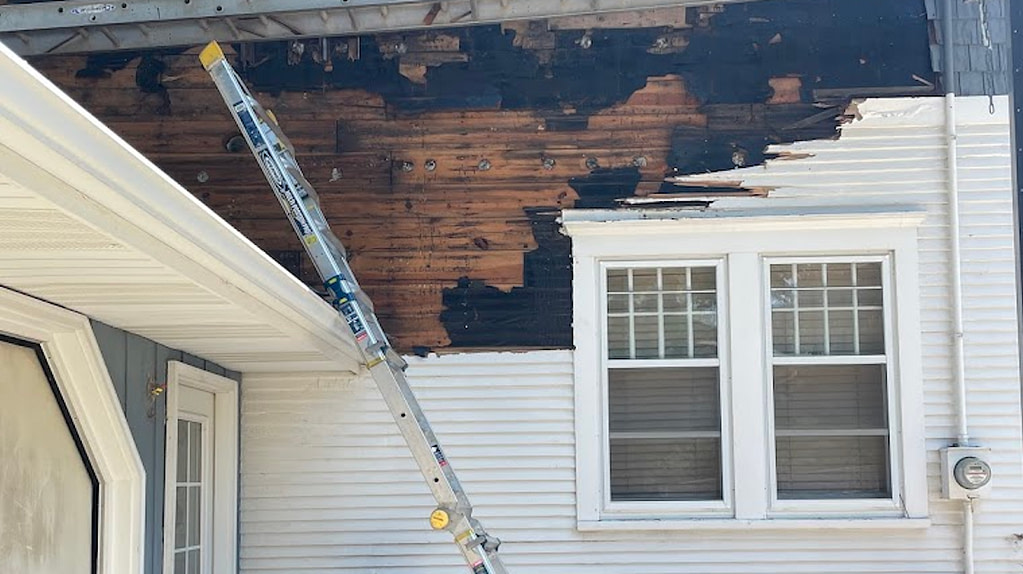
Fascia comes in several materials, each with its own balance of cost, durability, and maintenance. Choosing the right one depends on your budget, your home’s style, and how much upkeep you are willing to take on.
1. Wood Fascia
Wood fascia is the traditional and most affordable choice, valued for its natural look and easy availability, though it demands the most maintenance of any option. Common species include pine, spruce, fir, cedar, and redwood, with pressure-treated versions offering better resistance to rot and insects. Wood takes paint and stain beautifully and suits classic and historic homes, but it must be repainted regularly and is the most vulnerable to moisture damage if neglected. Left unsealed, wood fascia can rot within a few years, especially behind leaking gutters. For homeowners who love a traditional appearance and stay on top of upkeep, wood remains a solid pick.
- Lowest upfront cost: Wood is generally the most budget-friendly fascia material.
- Classic appearance: Natural grain suits traditional and historic home styles.
- High maintenance: Requires regular painting or sealing to resist moisture.
- Rot risk: Most prone to decay if exposed to standing water or leaks.
2. Aluminum Fascia
Aluminum fascia is a durable, weather-resistant option that resists rust and stands up well to harsh climates, making it a popular upgrade over bare wood. It is often used as a protective metal wrap, called fascia trim or cladding, installed over an existing wood board to shield it from the elements and cut down on maintenance. Aluminum will not rot, holds paint well, and handles temperature swings without cracking, which matters in regions with cold winters and hot summers. It tends to cost more than wood and can dent under impact, but its longevity often justifies the price. Many homeowners choose aluminum capping to get the look of wood without the constant repainting.
- Weather resistant: Aluminum will not rot and resists rust in wet conditions.
- Low maintenance: A factory or painted finish needs far less upkeep than wood.
- Protective wrap: Often installed over wood fascia as durable cladding.
- Higher cost: More expensive than wood and can dent on impact.
3. Vinyl and PVC Fascia
Vinyl and PVC fascia are low-maintenance, moisture-proof options that have become increasingly popular for their durability and clean appearance. PVC in particular resists rot, water, and insects entirely, never needs painting, and comes in a range of colors that hold up against UV exposure. These materials are lightweight, easy to clean, and pair naturally with vinyl soffit and siding for a coordinated exterior. The main tradeoffs are that color choices are somewhat fixed and lower-grade vinyl can become brittle or fade over many years. For homeowners who want to install and forget, vinyl and PVC deliver strong, hassle-free performance.
- Rot proof: PVC resists moisture, decay, and insect damage completely.
- No painting: Color is built in, so there is no repainting to keep up with.
- Coordinated look: Pairs cleanly with vinyl soffit and siding systems.
- Lightweight: Easy to handle and install, keeping labor manageable.
4. Fiber Cement Fascia
Fiber cement fascia is a heavy-duty, highly durable material that resists rot, fire, and insects while mimicking the look of painted wood. Made from a blend of cement, sand, and cellulose fibers, it holds paint exceptionally well and stands up to extreme weather without warping or cracking. It is more expensive and heavier than other options, which can add to installation labor, but it offers one of the longest service lives available. Fiber cement is a strong match for homeowners who want premium durability and a wood-like appearance without the maintenance. Its resilience makes it well suited to the temperature and moisture swings common across Forest City and surrounding areas.
- Extremely durable: Resists rot, fire, warping, and insect damage.
- Wood-like look: Mimics painted wood while outlasting it significantly.
- Holds paint well: Finish stays attractive for many years.
- Higher investment: Costs more and weighs more, adding to labor.
Why Fascia Maintenance Matters
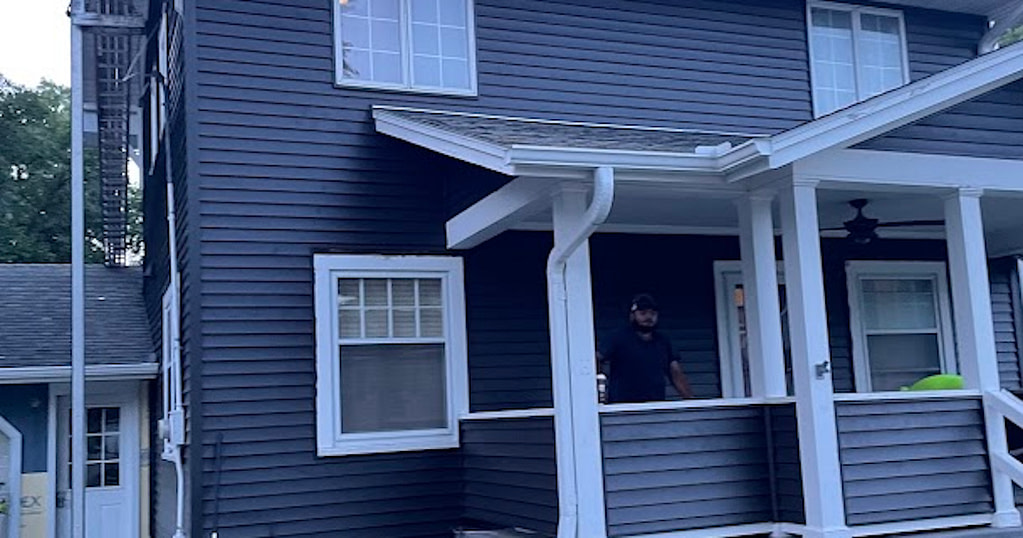
Fascia maintenance matters because catching small problems early prevents the cascade of damage that follows a failed board, from sagging gutters to a rotted roof deck. A little routine attention keeps your fascia, and everything it supports, in good shape for years.
What Are the Warning Signs of Fascia Damage?
The clearest warning signs of fascia damage are peeling paint, soft or cracked boards, sagging gutters, and water stains along the roofline, all of which signal moisture has taken hold. Sagging or detached gutters often point straight to a compromised fascia that can no longer bear the weight. Pests near the roof edge, visible rot, and discoloration are also red flags worth a closer look. Because fascia sits high and behind the gutters, problems are easy to miss until they are advanced, which is why an annual inspection pays off. Spotting these signs early in Forest City and surrounding areas can save you from a much larger repair bill.
- Peeling or blistering paint: An early indicator that moisture is reaching the wood.
- Soft or cracked boards: Spongy or split fascia signals active rot.
- Sagging gutters: Loose or drooping gutters often mean the fascia has weakened.
- Stains and pests: Water marks or critters near the roofline warrant inspection.
Frequently Asked Questions
How much does it cost to replace fascia on a house?
Fascia installation generally runs about $7 to $23 per linear foot including labor, and full fascia and soffit replacement often totals somewhere between $1,300 and $6,000 depending on roofline size and material. The exact figure depends on your home’s dimensions, the material you choose, and whether gutters need to be removed and rehung. A free on-site estimate gives you an accurate number for your home.
How long does fascia last?
Fascia lifespan varies widely by material, with wood lasting around 10 to 20 years with regular upkeep, while aluminum, vinyl, PVC, and fiber cement can last 25 to 50 years or more. Climate, gutter maintenance, and paint condition all affect how long a board holds up. Routine inspections help you get the maximum life out of whatever material you have.
Can I replace fascia myself?
Fascia replacement is generally not recommended as a do-it-yourself job because it involves working at height along the roof edge, removing and rehanging gutters, and matching materials correctly. Mistakes can lead to water intrusion and gutter problems that cost more to fix later. A licensed, insured roofing professional ensures the work is safe, watertight, and properly finished.
How often should fascia be inspected?
Fascia should be inspected at least twice a year, ideally during seasonal roof and gutter maintenance in spring and fall. Catching peeling paint, soft spots, or sagging gutters early prevents minor wear from becoming structural damage. An annual professional inspection is the easiest way to stay ahead of problems.
Does fascia need gutters to function?
Fascia does not strictly require gutters, but in most homes the two are paired because the gutters mount directly to the fascia board. Even without gutters, fascia still seals the roofline and protects the rafter ends from moisture and pests. If you add gutters later, sound fascia is essential to support them securely.
What happens if I ignore damaged fascia?
Ignoring damaged fascia allows rot to spread into the roof decking and rafters, causes gutters to loosen and overflow, and creates entry points for pests. What starts as a small soft spot can turn into leaks, mold, and thousands of dollars in structural repairs. Addressing fascia damage promptly is far cheaper than dealing with the consequences.
Trust Young Construction for Fascia Repair and Replacement
When it comes to understanding what fascia is on a house and keeping it in top condition, Young Construction brings over 20 years of local experience and a complete knowledge of how Iowa’s weather tests every part of your roofline. We inspect your fascia, soffit, and gutter system as a whole, identify rot or damage before it spreads, and install durable fascia in the material that best fits your home and budget. As a family-owned, fully licensed and insured company with more than 150 five-star reviews, we treat your home with genuine care and clear communication at every step. If you have noticed peeling paint, sagging gutters, or soft spots along your roof edge, now is the time to have it checked before the damage spreads. Contact Young Construction today for a free, no-obligation fascia and roofline estimate, and let our team keep the edge of your roof strong, sealed, and looking its best.