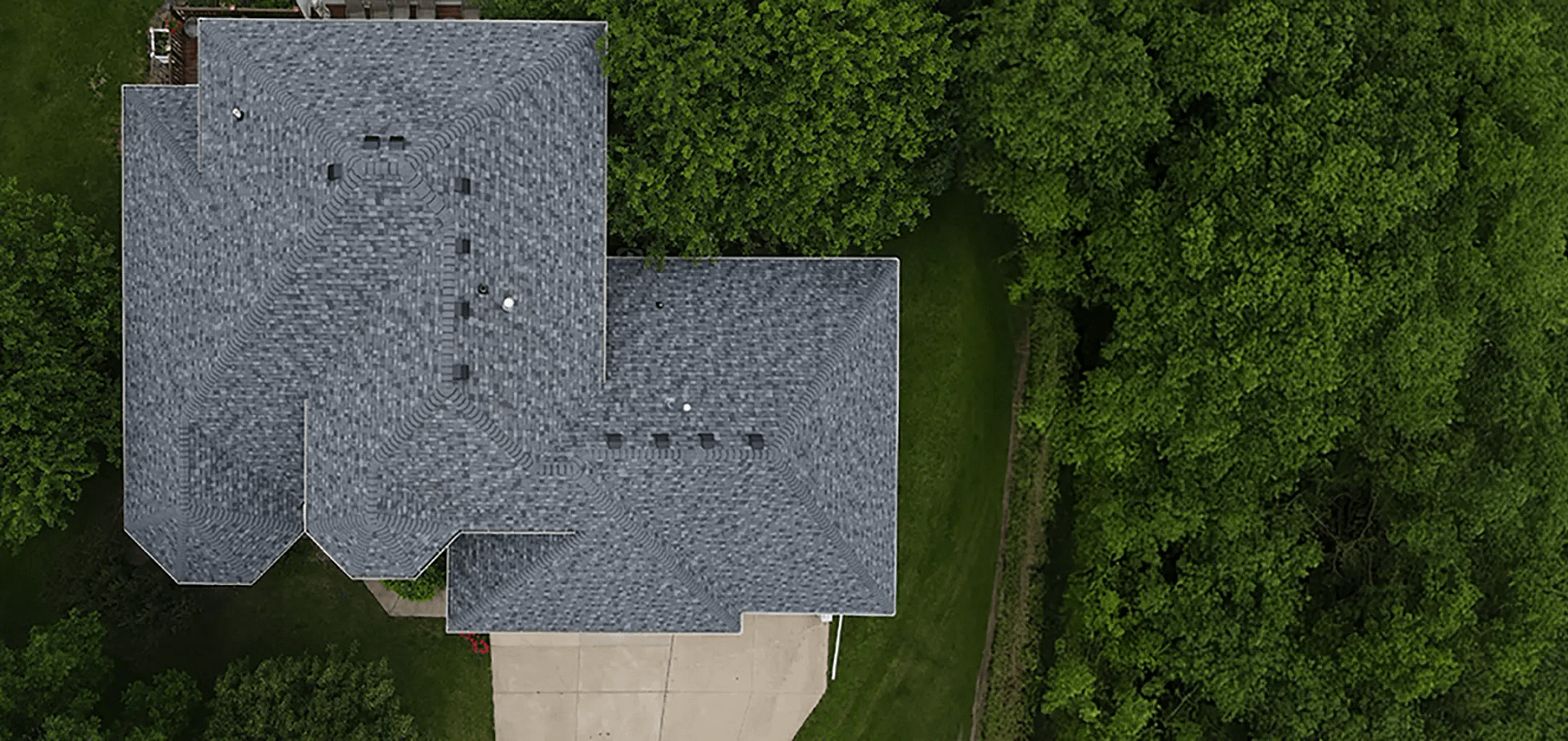
Understanding what voids a roof warranty is essential for homeowners who want to protect their investment and avoid unexpected repair costs. A roof warranty is designed to provide peace of mind, but certain actions or conditions can cause that coverage to become invalid. Knowing the most common mistakes that lead to a voided warranty helps ensure your roof remains protected for as long as possible.
- Warranty protection: Following guidelines helps maintain your roof warranty coverage.
- Cost avoidance: Preventing mistakes reduces out-of-pocket roof repair or replacement expenses.
- Long-term performance: Proper care keeps your roofing material functioning as intended.
Why Roof Warranties Matter

A roof warranty provides coverage for specific issues related to materials or workmanship. Most warranties fall into two categories, including a manufacturer warranty that covers the roofing material and a workmanship warranty provided by the roofing contractor. Both types are important for protecting your investment in a new roof or roof replacement.
Homeowners sometimes assume their roof warranty covers everything, but that is not the case. Warranties include conditions that must be followed, such as proper maintenance, correct installation, and approved modifications. Failing to follow these guidelines is one of the main reasons people later discover what voids a roof warranty the hard way.
5 Common Causes That Void a Roof Warranty
There are several common mistakes that can void a roof warranty. Being aware of these issues helps homeowners avoid unnecessary risks and maintain coverage.
1. Improper Installation
One of the leading causes of a voided roof warranty is improper installation. Roofing materials must be installed exactly according to manufacturer specifications, or the warranty may become invalid.
- Incorrect fastening: Nails placed too high or too low can weaken the roofing system.
- Missing components: Skipping underlayment or flashing reduces protection.
- Improper installation techniques: Failure to follow guidelines can cause leaks and early failure.
Working with a qualified roofing contractor helps ensure your roof is installed correctly from the beginning.
2. Lack of Regular Maintenance
Routine maintenance is required to keep a roof warranty valid. Neglecting upkeep allows small issues to develop into major problems that are not covered.
- Debris buildup: Leaves and dirt trap moisture on roofing material surfaces.
- Clogged gutters: Water overflow can damage edges and roof decking.
- Ignored damage: Small issues that go unrepaired can worsen over time.
Regular inspections and maintenance are key to preserving both the roof and its warranty.
3. Unauthorized Repairs or Modifications
Performing repairs without following manufacturer guidelines or using unapproved materials can void a warranty. This includes certain types of roof repair or structural changes.
- Non-approved roofing material: Using incompatible products can damage the system.
- Improper installation during repairs: Incorrect fixes may worsen existing problems.
- Unverified contractors: Hiring someone without proper experience can lead to errors.
Always ensure any roof repair or modification follows recommended standards.
4. Installing Solar Panels Incorrectly
Installing solar panels on a roof is increasingly common, but improper methods can void a roof warranty. Penetrations made during installation can compromise the roofing system if not handled correctly.
- Roof penetrations: Improper sealing can allow water to enter.
- Unapproved installation methods: Some manufacturers require specific procedures.
- Structural impact: Poor installation may damage roof decking or support systems.
When installing solar panels, it is important to follow manufacturer guidelines and ensure compatibility with the roofing material.
5. Poor Ventilation and Moisture Issues
Proper airflow plays a major role in maintaining roofing performance. Lack of proper ventilation can lead to heat and moisture buildup, which damages roofing materials over time.
- Heat accumulation: Excess heat can cause shingles to age prematurely.
- Moisture buildup: Trapped moisture can damage insulation and roof decking.
- Reduced lifespan: Poor ventilation can shorten the life of the entire roofing system.
Maintaining proper ventilation helps protect your roof and keep your warranty intact.
How to Protect Your Roof Warranty

Understanding what voids a roof warranty is only the first step. Taking proactive measures ensures your roof remains covered and performs as expected.
Work With a Qualified Roofing Contractor
- Professional installation: Ensures proper installation from the start.
- Knowledge of warranties: Experienced contractors understand manufacturer requirements.
- Reliable workmanship warranty: Quality contractors often provide strong workmanship coverage.
Choosing the right roofing contractor helps protect both your roof and your investment.
Follow Manufacturer Guidelines
- Approved materials: Always use compatible roofing material for repairs.
- Installation standards: Follow all requirements for a new roof or roof replacement.
- Documentation: Keep records of work completed on your roof.
Following these guidelines ensures your roof warranty remains valid.
Maintain Your Roof Regularly
- Routine inspections: Identify issues before they worsen.
- Clean gutters and debris: Prevent water buildup and damage.
- Address minor repairs: Small fixes can prevent major problems.
Consistent maintenance supports long-term roof performance and warranty protection.
Common Misunderstandings About Roof Warranties
Many homeowners misunderstand how a roof warranty works. Clarifying these misconceptions helps avoid costly mistakes.
A Roof Warranty Covers Everything
- Material limitations: Many warranties only cover defects in roofing material.
- Workmanship differences: A workmanship warranty may be separate from manufacturer coverage.
- Exclusions apply: External damage or improper installation may not be covered.
Understanding these limits helps homeowners manage expectations.
Roof Replacement Automatically Resets Coverage
- New roof conditions: A new roof comes with its own warranty terms.
- Installation requirements: Improper installation can void even a new warranty.
- Contractor responsibility: Coverage may depend on the roofing contractor’s workmanship warranty.
Every roof replacement must meet specific standards to maintain warranty protection.
Protect Your Roof and Your Investment
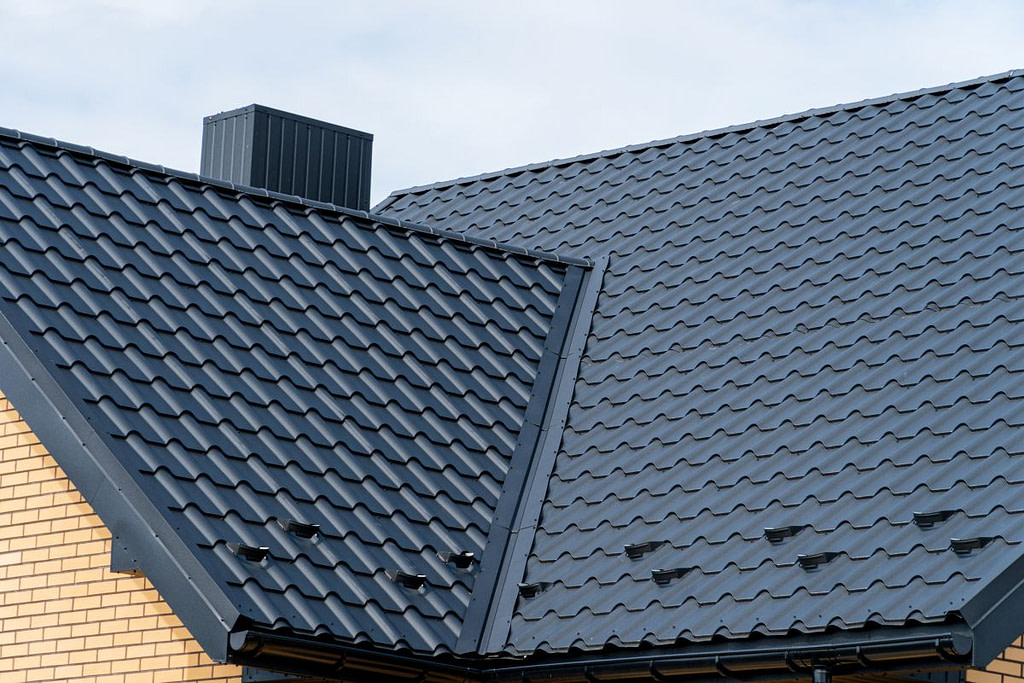
Knowing what voids a roof warranty helps homeowners avoid costly mistakes and maintain long-term protection. By ensuring proper installation, using approved roofing material, and maintaining the roof regularly, you can keep your warranty valid and your home protected.
A strong roofing system depends on quality materials, proper installation, and consistent maintenance. Understanding how warranties work allows homeowners to make informed decisions that protect their investment.
Why Homeowners Trust Young Construction
- Roofing expertise: Experienced roofing contractor knowledge across all roofing systems.
- Commitment to quality: Focused on proper installation and durable materials.
- Trusted guidance: Helping homeowners understand roof warranty requirements and best practices.
Protect your home and your roof warranty with expert support. Contact Young Construction today for a free estimate and ensure your roof is built and maintained for long-term performance.