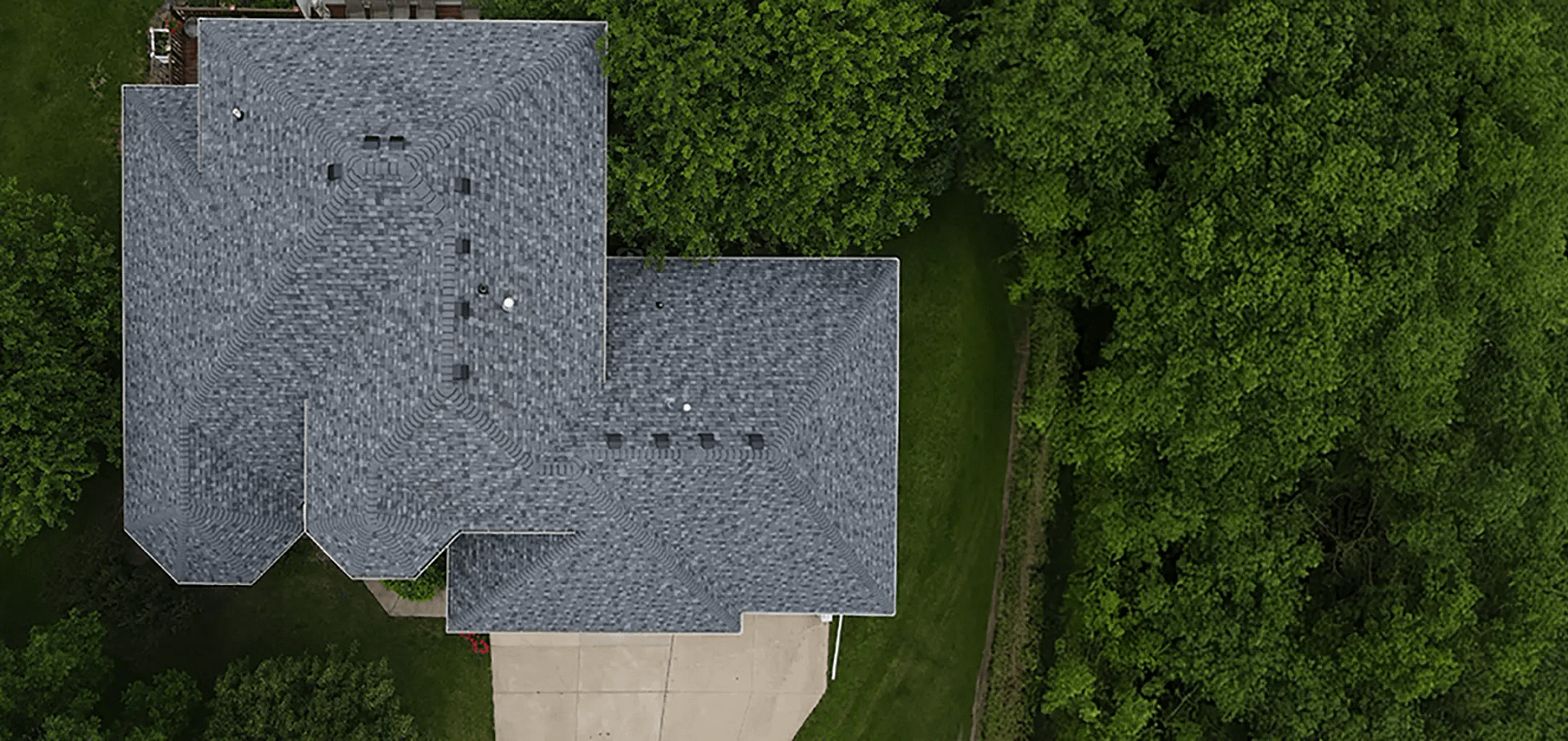
Homeowners often ask when does a roof need to be replaced when they start noticing wear, leaks, or rising maintenance costs. Your roof is one of the most important parts of your home, protecting it from weather, moisture, and structural damage. Knowing the warning signs of a failing roof can help you avoid costly repairs and plan for a replacement at the right time.
- Early detection: Spotting issues early helps prevent major structural damage.
- Cost control: Replacing a roof at the right time avoids repeated repair expenses.
- Home protection: A strong roof keeps your home safe from leaks and weather damage.
Why Knowing When To Replace Your Roof Matters
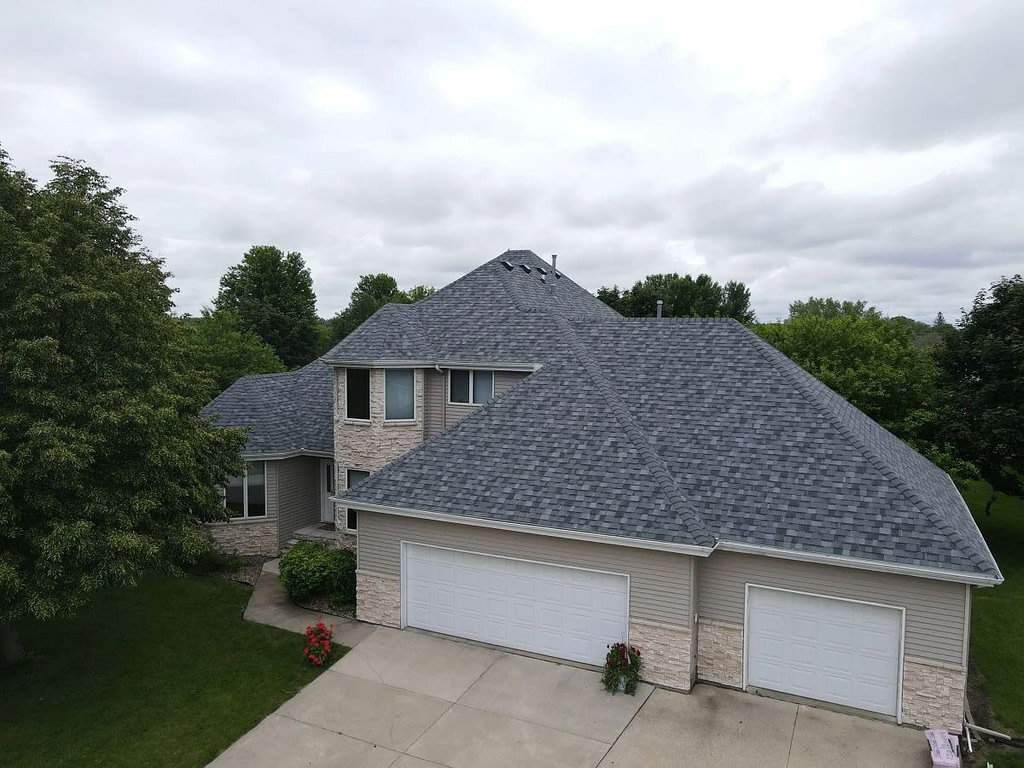
Your roof naturally wears down over time due to exposure to sun, wind, rain, and temperature changes. Even high-quality roofing materials eventually reach the end of their lifespan. Waiting too long to replace a roof can lead to interior damage, insulation problems, and costly structural repairs.
Replacing your roof at the right time ensures your home stays protected and energy efficient. It also improves curb appeal and can increase property value. Understanding the key signs of roof failure helps homeowners make confident and timely decisions.
6 Signs Your Roof Needs To Be Replaced
While some roofing issues can be repaired, certain signs indicate that a full replacement is the better long-term solution. Recognizing these signs early can save time, money, and stress.
1. Roof Age Is Nearing Its Lifespan
Every roofing material has an expected lifespan. Asphalt shingles typically last 15 to 30 years, while metal and tile roofs may last much longer.
- Aging materials: Older roofs lose their protective qualities over time.
- Manufacturer limits: Most roofing systems have a recommended service life.
- Frequent issues: Older roofs often require more repairs.
If your roof is approaching or exceeding its expected lifespan, replacement is often the most reliable option.
2. Shingles Are Missing, Cracked, or Curling
Damaged shingles are one of the most visible signs of roof deterioration. Over time, shingles can crack, curl, or blow off during storms.
- Curling edges: Indicates aging or moisture exposure.
- Cracked shingles: Allow water to penetrate the roof surface.
- Missing sections: Expose the underlayment to weather damage.
Widespread shingle damage is often a sign that repairs will not be enough to restore the roof.
3. Frequent Roof Leaks
Occasional leaks can sometimes be repaired, but recurring leaks often indicate a larger issue with the roofing system.
- Water stains: Brown or yellow marks on ceilings or walls.
- Dripping water: Active leaks during rainstorms.
- Multiple problem areas: Leaks in different sections of the roof.
Persistent leaks usually mean the roof’s protective barrier has been compromised.
4. Sagging Roof Structure
A sagging roof is a serious issue that may indicate structural damage beneath the surface. This problem often develops due to long-term moisture exposure or weakened support materials.
- Visible dips: Uneven or sagging rooflines.
- Soft decking: Roof surface feels weak or spongy.
- Structural concerns: May affect rafters or supports.
A sagging roof should be addressed immediately, as it can pose safety risks.
5. Granule Loss and Surface Wear
Asphalt shingles are coated with granules that protect against UV rays and weather damage. Over time, these granules can wear away.
- Bald spots: Areas where granules are missing.
- Granules in gutters: Indicates advanced wear.
- Fading appearance: Loss of protective coating.
Significant granule loss reduces the roof’s ability to protect against the elements.
6. Rising Energy Bills
A failing roof can impact your home’s energy efficiency. Poor insulation or ventilation may cause heating and cooling systems to work harder.
- Heat loss in winter: Warm air escapes through damaged roofing materials.
- Heat gain in summer: Roof absorbs more heat due to worn surfaces.
- Inconsistent temperatures: Uneven indoor comfort levels.
Higher energy bills may signal that your roof is no longer performing effectively.
Repair vs Replacement: How To Decide

Not every roofing issue requires a full replacement. Understanding when to repair and when to replace can help homeowners make the best decision.
When Repairs May Be Enough
- Minor damage: Small areas of missing or damaged shingles.
- Isolated leaks: Single leak points that can be sealed.
- Newer roofs: Roofing systems still within their lifespan.
Repairs are often effective when damage is limited and the roof is relatively new.
When Replacement Is the Better Option
- Widespread damage: Multiple areas of wear or deterioration.
- Old roofing system: Roof is near or beyond its expected lifespan.
- Repeated repairs: Frequent issues that continue to return.
Replacing the roof provides a long-term solution and reduces ongoing maintenance costs.
Factors That Affect Roof Lifespan
Several factors influence how long a roof lasts and when it may need replacement. Understanding these factors helps homeowners plan ahead.
Climate and Weather
- Heavy storms: Wind and hail can cause damage over time.
- Temperature changes: Expansion and contraction weaken materials.
- Sun exposure: UV rays break down roofing surfaces.
Homes in extreme climates may require more frequent inspections.
Installation Quality
- Proper installation: Ensures roofing materials perform correctly.
- Flashing details: Protect vulnerable areas from leaks.
- Ventilation design: Prevents moisture buildup in the attic.
A well-installed roof typically lasts longer and performs better.
Maintenance and Care
- Regular inspections: Identify issues before they worsen.
- Gutter maintenance: Prevents water backup and roof edge damage.
- Prompt repairs: Fixing small issues extends roof lifespan.
Routine maintenance plays a key role in maximizing roof performance.
How To Extend the Life of Your Roof
While replacement is inevitable, homeowners can take steps to extend the life of their roofing system.
Schedule Routine Inspections
- Annual checks: Identify wear and damage early.
- Post-storm inspections: Look for damage after severe weather.
- Professional evaluations: Experts can spot hidden issues.
Regular inspections help prevent small problems from becoming major repairs.
Maintain Proper Ventilation
- Reduce heat buildup: Proper airflow protects roofing materials.
- Prevent moisture: Ventilation helps avoid condensation issues.
- Improve efficiency: Supports overall home performance.
Good ventilation protects both the roof and the attic space.
Keep the Roof Clean
- Remove debris: Leaves and branches can trap moisture.
- Clean gutters: Ensures proper drainage.
- Trim trees: Prevents damage from overhanging branches.
A clean roof surface helps maintain durability and appearance.
Make the Right Decision for Your Home
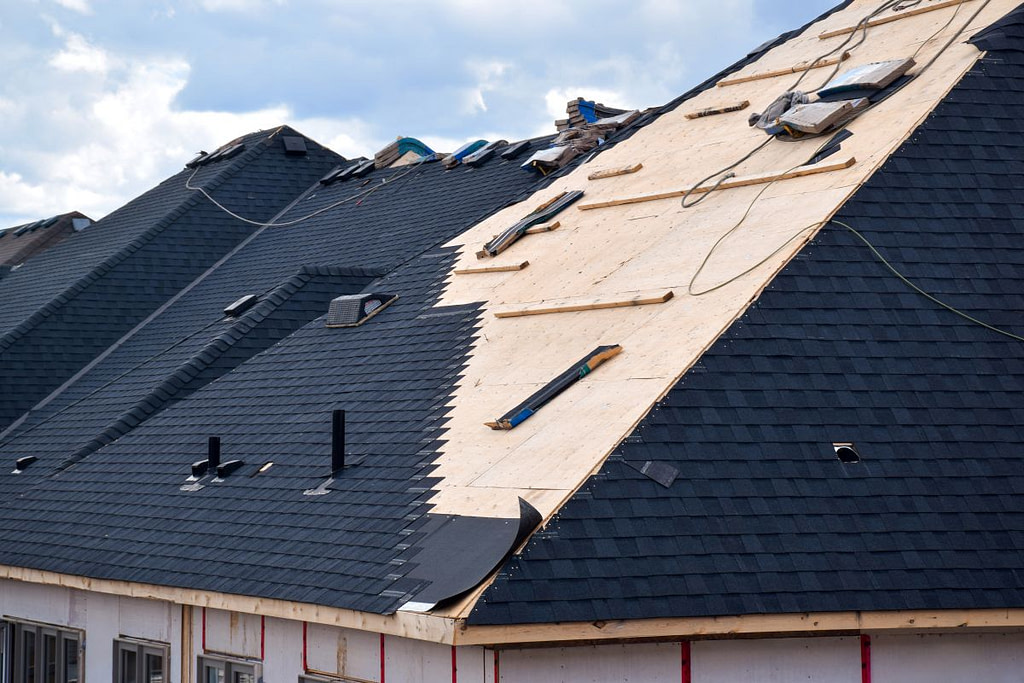
Understanding when does a roof need to be replaced helps homeowners protect their property and avoid costly damage. Recognizing the warning signs early allows you to plan ahead and invest in a roof that will provide long-lasting protection.
Your roof is a critical part of your home’s structure, and keeping it in good condition is essential for long-term protection. Knowing when to repair or replace your roof helps you make confident decisions that benefit your home and your budget.
Why Homeowners Trust Young Construction
- Roofing expertise: Helping homeowners understand roofing systems and maintenance needs.
- Commitment to quality: Focused on durable roofing solutions that last.
- Trusted guidance: Providing reliable information for smart home improvement decisions.
If your roof is showing signs of wear or damage, contact Young Construction today for a free estimate and take the next step toward protecting your home with confidence.