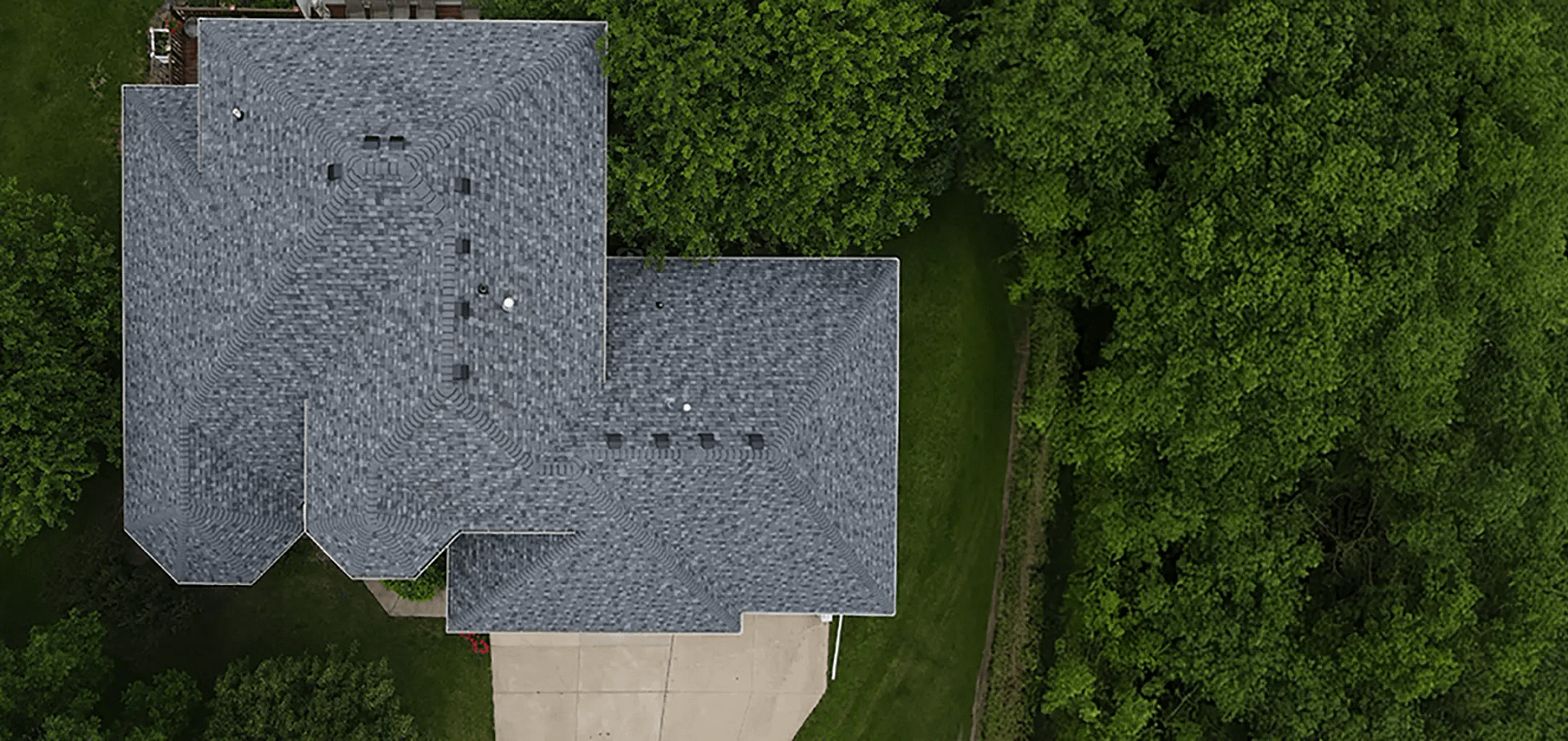
When it comes to wind damage roof repair, many homeowners focus on missing shingles or obvious leaks while overlooking the subtle, hidden problems that can lead to bigger issues later. Wind can cause small cracks, loosen nails, and create unseen weak points that allow moisture to seep in over time. Knowing what to look for ensures your roof stays strong, watertight, and ready to withstand the next storm.
- Hidden damage: Some wind-related issues aren’t visible from the ground.
- Timely inspections: Early detection prevents expensive structural repairs.
- Roof longevity: Regular maintenance after storms extends your roof’s lifespan.
Why Wind Damage Should Never Be Ignored
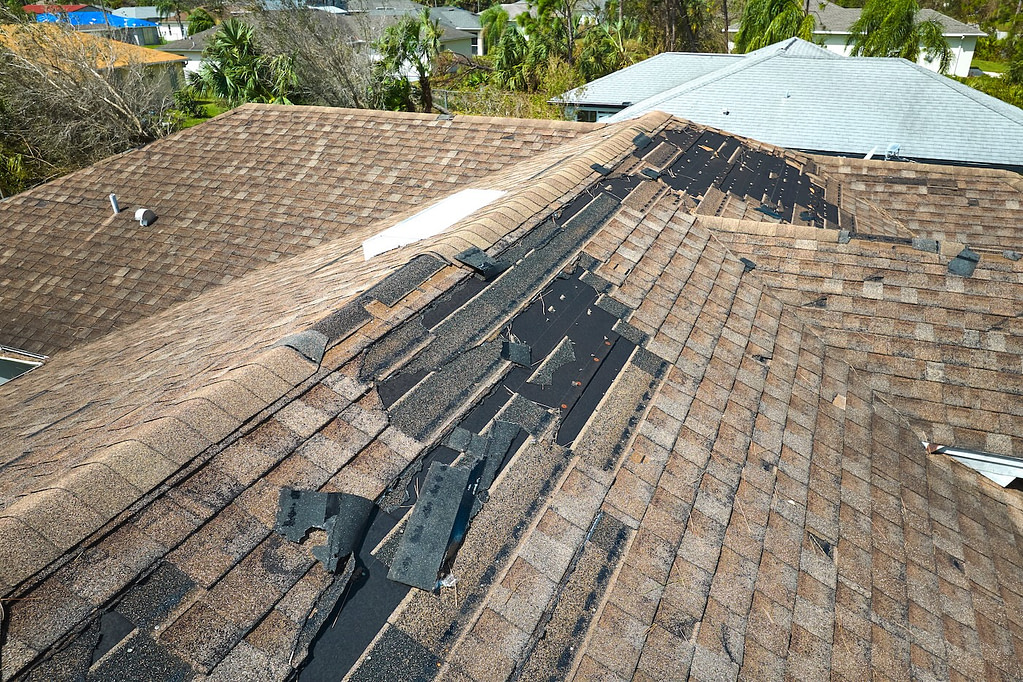
High winds put enormous stress on roofing materials. Even if you don’t notice missing shingles, gusts can lift edges, weaken flashing, and damage the underlayment beneath. Once that protective barrier is compromised, water can infiltrate the roof structure, causing rot, insulation damage, and interior leaks.
Ignoring minor wind damage often leads to larger, more expensive repairs down the road. After any severe weather event, homeowners should inspect their roofs carefully or schedule a professional evaluation to ensure no underlying problems are missed.
6 Hidden Issues To Check After Wind Damage
Wind damage doesn’t always leave obvious signs like broken shingles or debris on the ground. Many problems start small and worsen over time if not addressed promptly. Here are six hidden issues that often go unnoticed after storms but can significantly impact roof performance.
1. Lifted or Loosened Shingles
Even if shingles appear intact, high winds can lift them slightly from the roof deck, breaking the adhesive seal underneath.
- Why it matters: Lifted shingles allow water and debris to enter, leading to leaks and mold.
- What to do: Gently press along the edges of shingles to check if they move or feel loose. If they do, resealing or replacement may be needed.
Shingles that flap in the wind during storms are a clear sign that your roof’s integrity may be compromised.
2. Damaged Roof Flashing
Flashing protects roof valleys, vents, and chimneys from water intrusion. Strong winds can bend, crack, or dislodge flashing, creating weak spots where moisture can enter.
- Why it matters: Damaged flashing often leads to leaks around vents, skylights, and chimneys.
- What to do: Inspect metal flashing for dents, rust, or gaps where it meets the roof surface. Replace or re-secure any damaged sections immediately.
Properly sealed flashing is one of the most effective defenses against roof leaks.
3. Hidden Water Intrusion
Water infiltration is one of the most common hidden results of wind damage. When shingles or seams loosen, water can slowly seep into the roof structure without immediate visible signs.
- Why it matters: Moisture buildup can cause insulation damage, wood rot, and interior ceiling stains.
- What to do: Check your attic for damp insulation, dark spots, or musty odors that suggest hidden leaks.
Even small leaks can create long-term structural issues if left unchecked.
4. Nail Pull-Through or Uplift Damage
Wind gusts can loosen nails or fasteners securing your roofing materials. Over time, this weakens the roof deck’s attachment points and reduces its ability to resist future storms.
- Why it matters: Loose nails can cause shingles to detach or shift during high winds.
- What to do: Inspect areas around vents and ridges for raised nails or small gaps under shingles. Reinforce or replace nails as necessary.
Keeping fasteners tight helps preserve your roof’s stability during severe weather.
5. Gutter or Downspout Misalignment
Wind damage often affects gutters and downspouts, which are crucial for proper water drainage. Bent or detached sections can cause water to overflow and pool near your foundation.
- Why it matters: Misaligned gutters can lead to roof edge rot and basement leaks.
- What to do: Make sure gutters are firmly attached and angled correctly to guide water away from your home.
Clogged or damaged gutters can also contribute to ice dams during winter, making regular maintenance essential.
6. Compromised Roof Underlayment
The underlayment acts as a secondary barrier beneath shingles, protecting your home if the outer layer is damaged. Strong winds can tear or loosen underlayment sheets, especially near roof edges.
- Why it matters: Exposed underlayment accelerates roof deterioration and increases leak risk.
- What to do: If shingles have shifted or lifted, have the underlayment inspected by a roofing professional for tears or moisture exposure.
Repairing underlayment damage promptly helps preserve your roof’s weatherproof integrity.
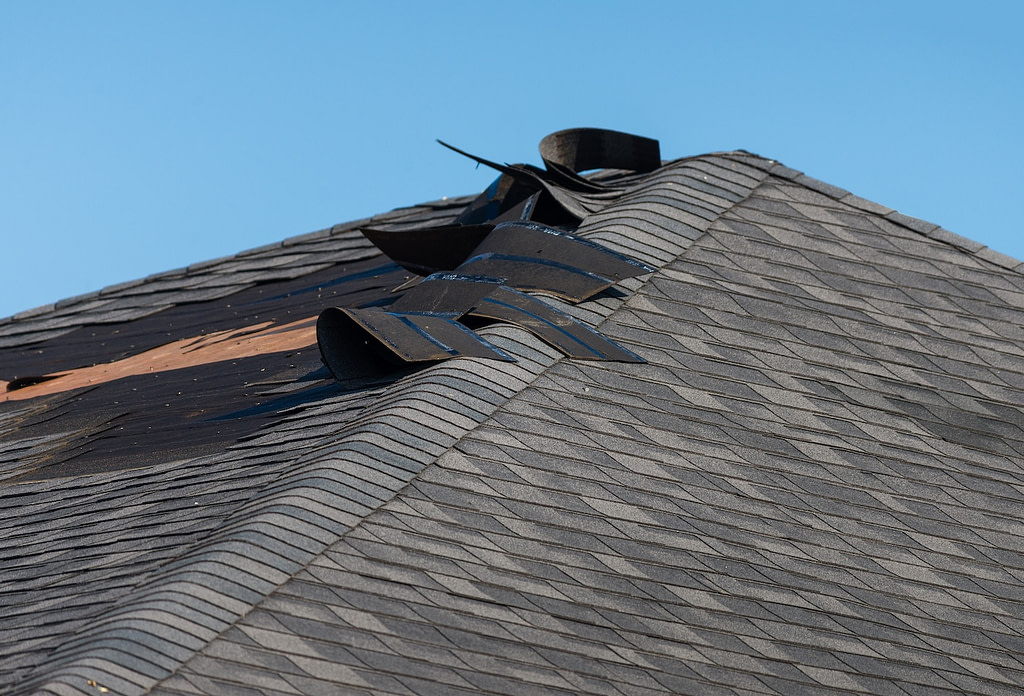
How To Inspect for Wind Damage Safely
While some wind damage signs can be seen from the ground, others require a closer look. However, safety should always come first when inspecting your roof after a storm.
- Use binoculars: Examine your roof from a safe distance rather than climbing up immediately.
- Check the attic: Look for moisture, stains, or light filtering through the roof deck.
- Walk the perimeter: Inspect siding, windows, and gutters for debris or loose materials.
- Call a professional: If you suspect hidden damage, schedule a roof inspection for peace of mind.
A detailed inspection ensures every problem — even those hidden beneath the surface — is properly identified and repaired.
Preventing Future Wind Damage
While you can’t control the weather, proactive maintenance greatly reduces the impact of future storms. Small improvements now can prevent significant costs later.
Strengthen Roof Materials
- Upgrade shingles: Choose high-wind-rated materials designed for your region’s weather conditions.
- Reinforce fasteners: Ensure nails and sealants meet current building standards.
- Inspect ridge vents: Secure or replace any loose components that can catch wind.
Maintain Roof Accessories
- Check flashing and vents: Re-seal joints and replace any damaged metal.
- Clean gutters regularly: Prevent clogs that trap water and add stress to roof edges.
- Trim overhanging branches: Remove limbs that could scrape or puncture the roof during storms.
A consistent maintenance routine helps your roof resist high winds more effectively year after year.
When Minor Damage Turns Into a Major Problem
Small issues may seem harmless at first, but even slight shingle movement or flashing separation can worsen quickly. Moisture intrusion often remains hidden until it causes visible stains or leaks indoors.
If your area experiences frequent high winds, it’s a good idea to schedule periodic roof checkups to address vulnerabilities early. Catching damage before it spreads saves both time and money while ensuring your home remains safe and dry.
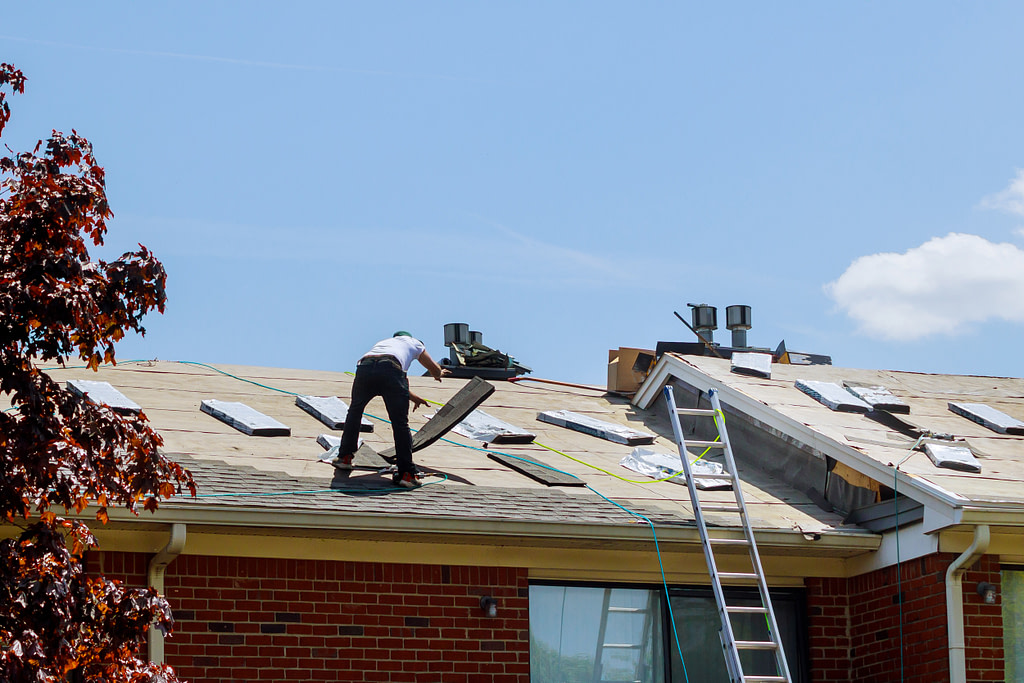
Strengthen Your Home With Knowledge From Young Construction
Hidden storm damage is one of the most common threats to a roof’s longevity. With the right awareness and maintenance habits, homeowners can prevent costly repairs and keep their roofs in excellent condition for decades.
Protecting your home starts with understanding what to look for after a storm. Contact Young Construction today for a free estimate and learn how proactive roof care can strengthen your home against future wind damage.