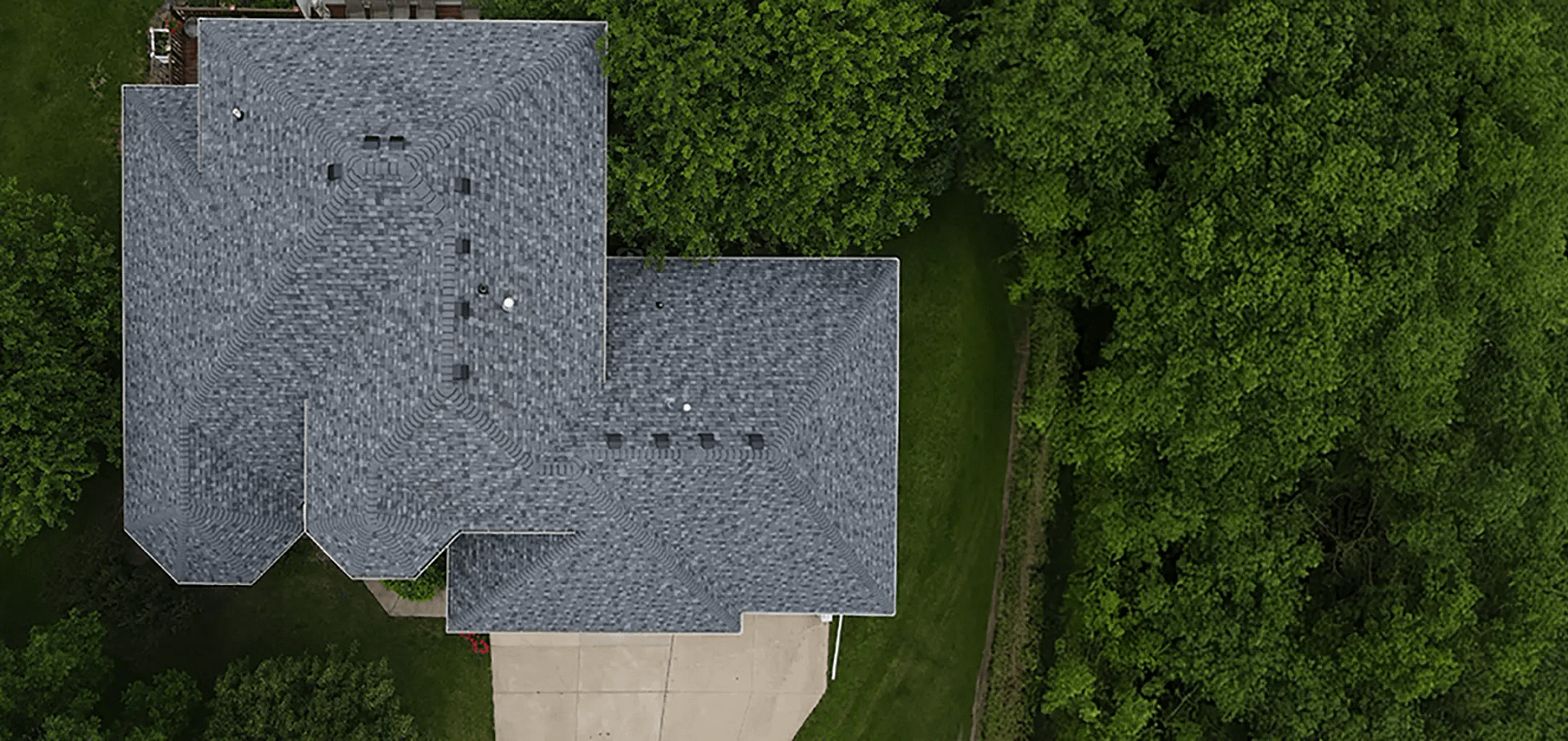
After a powerful storm, many homeowners are unsure whether they need a wind damage roof replacement or just a few simple repairs. Strong winds can lift shingles, loosen flashing, and expose underlayment — even if the damage isn’t visible from the ground. Understanding what to look for after a storm and what general steps to take regarding insurance can help protect your home and ensure your roof stays secure.
- Structural protection: A strong roof defends your home against rain and debris.
- Storm awareness: Wind damage can occur even in moderate weather conditions.
- Smart response: Quick action helps you avoid long-term structural issues.
Why Wind Damage Should Never Be Ignored
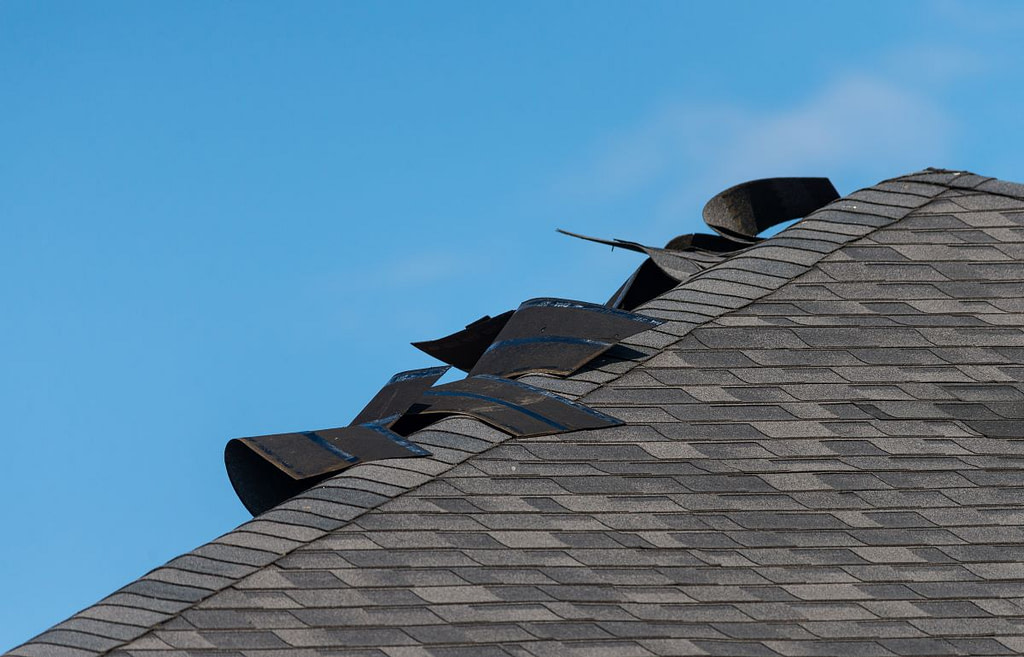
Wind can weaken your roofing system in subtle ways. Over time, lifted shingles, cracked sealant, and damaged flashing can allow water to penetrate your roof deck, leading to leaks and interior damage. Even a small breach can become a major problem if not addressed quickly.
Inspecting your roof after every severe wind event and scheduling routine maintenance helps prevent expensive repairs down the road. A professional assessment can confirm whether minor fixes will suffice or if full replacement is the best option for your home.
How Wind Affects Roofs in Florida and Iowa
While both Florida and Iowa experience damaging winds, the conditions and effects vary greatly between the two regions. Each climate presents unique challenges that make preventive care and timely replacement especially important.
In Florida, strong coastal winds and tropical storms frequently test a roof’s durability. Repeated exposure to high humidity and salt air accelerates corrosion, making materials more vulnerable once their protective coatings are compromised. Gusts from hurricanes or tropical systems can also loosen shingles or lift entire roof sections, allowing rain to infiltrate.
In Iowa, high winds from spring and summer storms — or sudden derechos — can rip shingles from the deck and expose the underlying structure. Cold winters add another layer of concern, as wind-driven snow and ice can seep under damaged shingles, expanding small gaps as temperatures drop.
Although the causes differ, the solution remains the same: consistent inspections, timely repairs, and quality materials designed to resist regional weather extremes.
7 Signs You May Need a Wind Damage Roof Replacement
Recognizing the warning signs early gives you a better chance to repair or replace your roof before damage spreads. After high winds, take note of these seven indicators.
1. Missing or Lifted Shingles
Strong gusts can lift shingles from the roof deck or tear them away entirely.
- Gaps in coverage: Missing shingles leave the roof vulnerable to leaks.
- Curled or flapping edges: Suggest weakened seals from wind uplift.
- Exposed underlayment: Indicates immediate need for inspection or repair.
Even if only a few shingles are missing, moisture intrusion can lead to major damage over time.
2. Damaged Flashing or Ridge Caps
Wind often targets the most exposed roof areas, such as valleys, vents, and ridges.
- Bending or cracking: Flashing can warp or break away under stress.
- Loose metal edges: Allow water to seep beneath roofing materials.
- Detached ridge caps: Leave gaps where wind and rain can enter.
Repairing or replacing damaged flashing helps prevent future leaks and extends roof lifespan.
3. Water Leaks or Ceiling Stains
Indoor signs of wind damage often appear as discoloration or moisture in ceilings and walls.
- Brown stains: Usually caused by water infiltration from lifted shingles.
- Peeling paint: Indicates ongoing moisture problems.
- Musty odors: Suggest trapped water inside attic insulation.
Any evidence of interior water damage warrants a prompt roof inspection to locate the source.
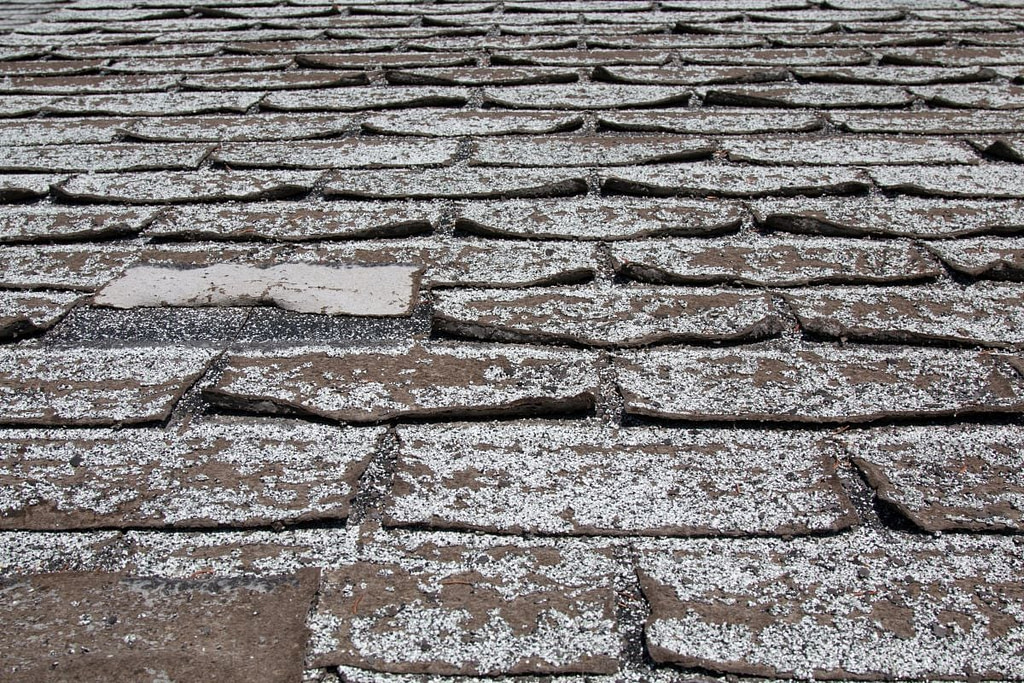
4. Granule Loss on Asphalt Shingles
Strong winds and blowing debris can strip protective granules from shingle surfaces.
- Bare patches: Leave shingles more vulnerable to UV exposure.
- Granules in gutters: Signal significant material wear.
- Uneven coloring: Suggests aging or storm damage.
Granule loss accelerates roof deterioration, reducing your system’s ability to repel water.
5. Loosened Fasteners or Exposed Nails
Wind pressure can lift panels or shingles, pulling nails and fasteners from their original positions.
- Popped nail heads: Allow water to enter around the holes.
- Raised shingles: May indicate fastener damage below the surface.
- Visible rust: Signals long-term moisture intrusion.
Addressing fastener issues promptly can restore your roof’s weatherproof seal.
6. Sagging or Uneven Rooflines
A sagging roof is a serious warning sign that moisture or structural weakening has occurred.
- Decking rot: Caused by prolonged exposure to water.
- Truss damage: Wind may shift or crack framing components.
- Surface dips: Suggest hidden water retention below shingles.
If your roofline looks uneven, it’s time to call a professional for a detailed evaluation.
7. Mold or Algae Growth After Storms
After wind-driven rain, trapped moisture can encourage unwanted growth on your roof’s surface.
- Dark streaks: Often indicate early stages of algae buildup.
- Green patches: Signal moss or mold thriving in shaded areas.
- Surface decay: Persistent moisture weakens protective layers.
Cleaning and restoring damaged areas helps protect your roof’s coating and structural integrity.
What Homeowners Should Do After Wind Damage
When the storm passes, taking a few simple steps helps safeguard your home and determine the next course of action.
Perform a Ground-Level Inspection
Walk around your property and look for visible signs of roof damage.
- Check your yard: Shingles, nails, or flashing pieces may have blown off.
- Inspect siding and gutters: Wind damage in these areas often indicates roof impact.
- Document observations: Take photos for your own records.
Avoid climbing onto the roof yourself — safety should always come first.
Schedule a Professional Roof Evaluation
A professional roofing inspection ensures no hidden damage goes unnoticed.
- Detailed assessment: Identifies weak spots and problem areas.
- Preventive repairs: Stops small issues before they become leaks.
- Replacement recommendation: Confirms whether repair or full replacement is needed.
An inspection gives you a clear picture of your roof’s condition and peace of mind before the next storm hits.
Review Your Homeowner’s Policy
It’s always wise to review your policy after severe weather to understand what coverage you have.
- Check your documents: Know your policy’s general storm and wind provisions.
- Contact your provider: Ask about next steps if your roof sustained damage.
- Keep records: Photos and inspection reports are useful for reference.
While every policy differs, being informed helps you make confident decisions about roof repair or replacement.
How to Prevent Future Wind Damage
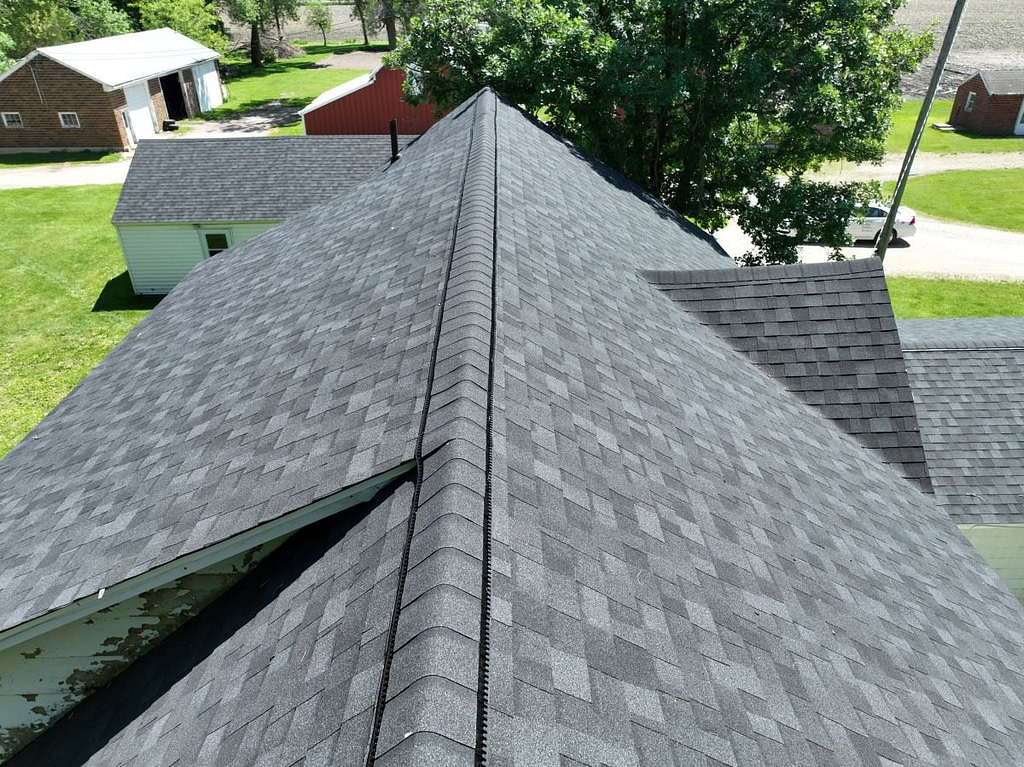
While you can’t control the weather, proper maintenance can significantly reduce the risk of future damage. A strong, well-maintained roof stands up better to high winds in both Florida and Iowa.
Schedule Routine Inspections
Annual or biannual inspections help catch small issues before they turn into expensive repairs.
- Before storm season: Make sure all shingles and fasteners are secure.
- After major weather events: Have your roof checked for hidden damage.
Regular attention keeps your roof in its best condition throughout the year.
Upgrade to Wind-Resistant Materials
When it’s time for a replacement, invest in materials built to handle strong gusts and shifting weather patterns.
- Impact-rated shingles: Designed for higher wind speeds and better adhesion.
- Enhanced sealants: Improve bonding between shingle layers.
- Professional installation: Ensures correct fastening and alignment.
Using top-quality materials during replacement greatly improves long-term durability.
Protect Your Home With Young Construction
When high winds leave your roof vulnerable, the professionals at Young Construction are ready to help. Our experienced team specializes in wind damage roof replacement and ensures your home is restored with strong, lasting materials that perform beautifully in any weather.
Why Homeowners Trust Young Construction
- Proven craftsmanship: We install roofing systems built for performance and durability.
- Regional expertise: Our team understands how Iowa and Florida weather impact homes.
- Commitment to quality: Every roof we replace is backed by careful workmanship and trusted materials.
Protect your home from future storms with a roof designed for resilience. Contact Young Construction today for a free estimate and discover how our expert team can help you restore and strengthen your home after wind damage.