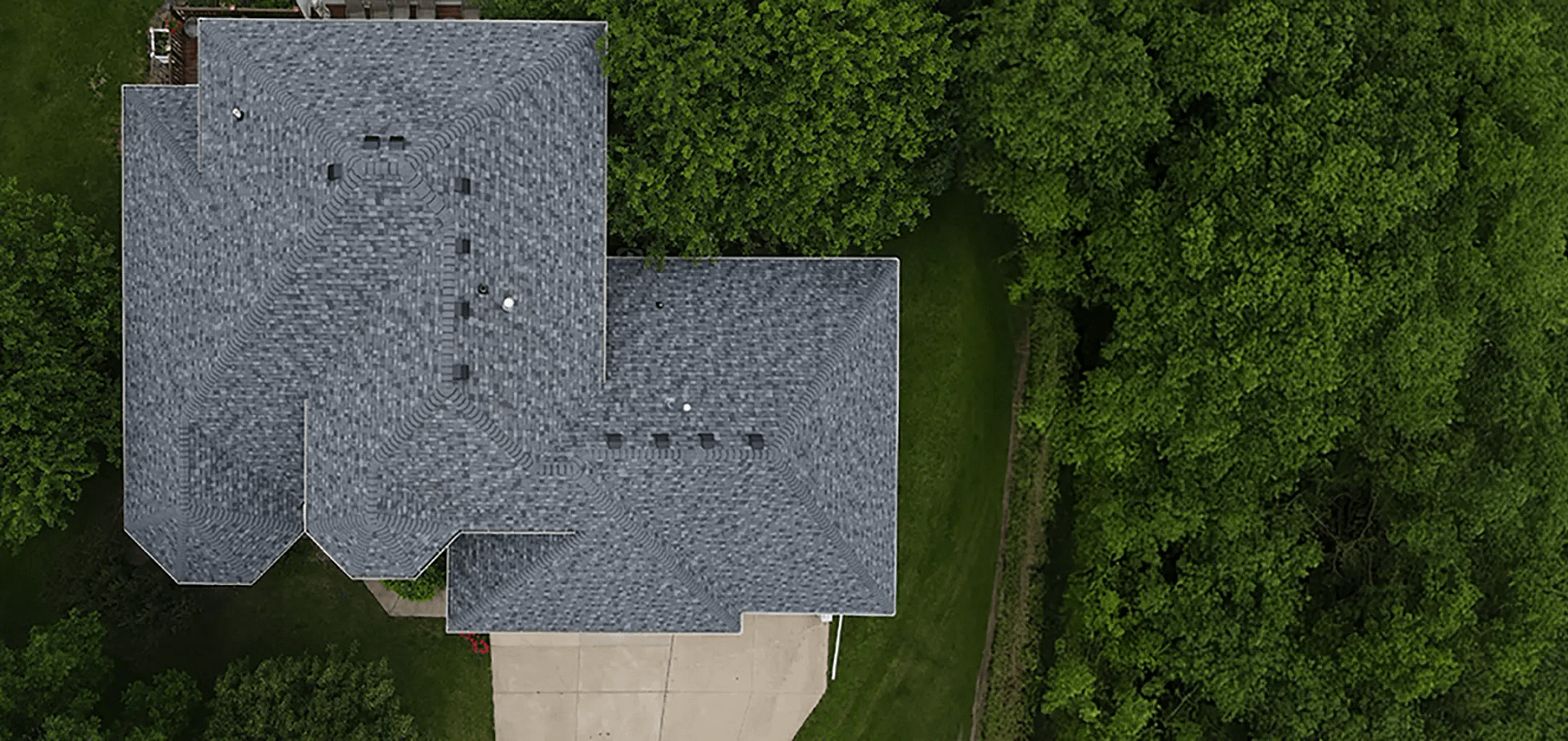
When sudden damage strikes, emergency roof tarping is one of the fastest and most effective ways to protect your home from further water intrusion. Whether caused by a storm, fallen tree branch, or unexpected roof leak, a tarp provides temporary coverage that buys you valuable time until permanent repairs can be made. Knowing what to do after a roofing emergency can help minimize damage and ensure safety.
- Immediate protection: A roof tarp prevents additional water from entering your home.
- Safety first: Understanding proper tarp placement reduces the risk of injury.
- Professional support: Hiring experts ensures correct installation and long-lasting protection.
Why Emergency Roof Tarping Is So Important
A damaged roof leaves your home vulnerable to water leaks, mold growth, and structural deterioration. Emergency roof tarping serves as a temporary barrier, keeping out rain and debris while maintaining a safe, dry environment inside. Acting quickly after roof damage can significantly reduce repair costs and prevent further complications.
Professional roofers use heavy-duty tarps, secure fastening systems, and specialized equipment to ensure proper coverage. Attempting a tarp installation without experience can be risky, especially after storms when surfaces are slick or unstable.
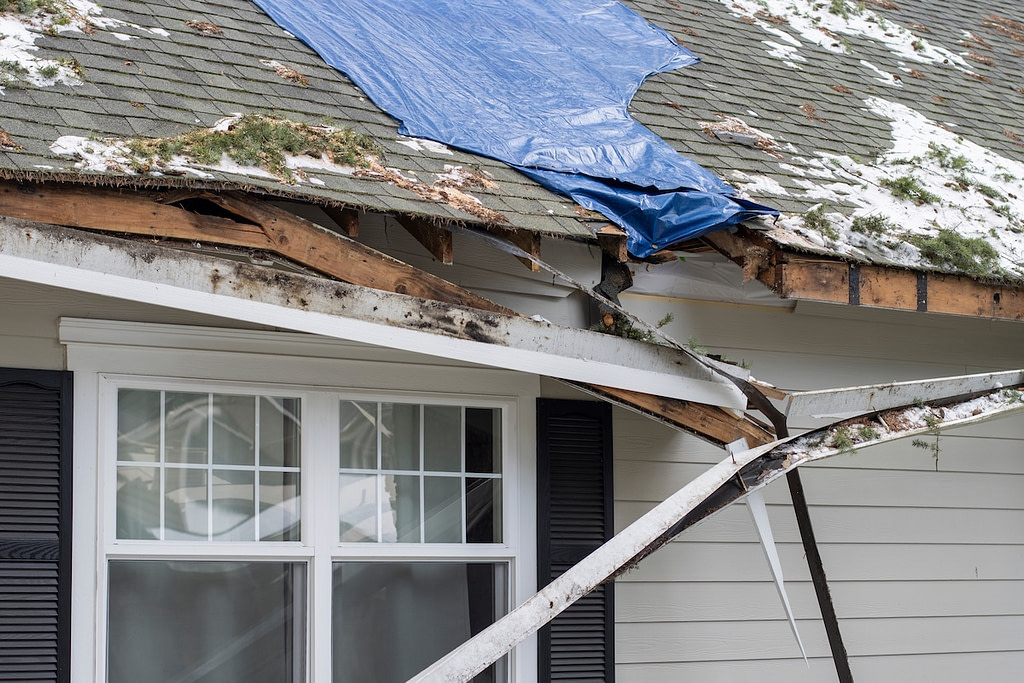
Common Situations That Require Emergency Roof Tarping
Roof damage can happen suddenly and escalate quickly if not addressed. Tarping should be your immediate next step after any event that leaves part of your roof exposed to the elements.
Storm Or Wind Damage
Severe weather often tears off shingles, breaks flashing, or lifts entire sections of roofing material. These openings allow water to enter quickly, so immediate action is crucial.
- Check for loose shingles: Identify exposed areas before rain continues.
- Look for flashing gaps: Wind can separate flashing from chimneys or vents.
- Assess debris impact: Branches and hail may cause hidden punctures.
Tree Or Debris Impact
Falling branches or flying debris during storms can puncture roofing materials or collapse sections. Even a small impact can cause leaks if not sealed immediately.
- Inspect from the ground: Avoid climbing on damaged or unstable surfaces.
- Contact professionals: Tree removal and tarp installation often require expert help.
- Document everything: Take photos for insurance purposes before cleanup.
Leaks Or Roof Failures After Heavy Rain
Long periods of rainfall can reveal weak spots in your roof system. Once a leak appears inside, it means water has already penetrated multiple layers of your roofing structure.
- Contain interior leaks: Use buckets or plastic sheeting inside the home.
- Locate the source: Look for damp insulation or ceiling stains.
- Arrange for inspection: Have roofers evaluate structural integrity right away.
6 Steps To Take For Emergency Roof Tarping
When it comes to emergency roof protection, following the right sequence keeps you safe and ensures your tarp holds up under harsh weather.
- Assess The Situation Safely
Before anything else, confirm that your home is safe to approach. Check for downed power lines, exposed nails, or unstable roof sections. Never climb onto your roof during active storms or while surfaces are wet.- Visual inspection: Walk around your home and look for visible damage.
- Interior check: Identify leaks inside the attic or upper floor.
- Emergency calls: Contact first responders if the damage poses immediate danger.
- Contact A Roofing Professional
Even though it may be tempting to handle tarping on your own, professional roofers have the proper safety gear and experience to install tarps correctly. Most roofing companies, including Young Construction, offer emergency services after storms.- Faster response: Professionals arrive equipped to stabilize your roof immediately.
- Secure installation: Ensures the tarp remains in place even during high winds.
- Clear Debris And Prepare The Area
Once conditions are safe, remove any loose branches, shingles, or debris from the damaged area. Clearing the roof ensures that the tarp lies flat and seals properly against the surface.- Use protective gear: Gloves and goggles prevent injury while handling debris.
- Inspect for structural issues: Check that decking and trusses remain stable.
- Avoid excess weight: Do not pile debris in one place or overload fragile areas.
- Measure And Cut The Tarp To Size
Selecting the right tarp size is essential for proper coverage. A tarp should extend at least three to four feet beyond the damaged section on all sides to ensure complete protection.- Heavy-duty material: Choose a thick, waterproof tarp with reinforced edges.
- Overlap seams: Ensure proper layering to prevent leaks where sections meet.
- Anchor points: Plan secure fastening spots before placing the tarp.
- Secure The Tarp To The Roof
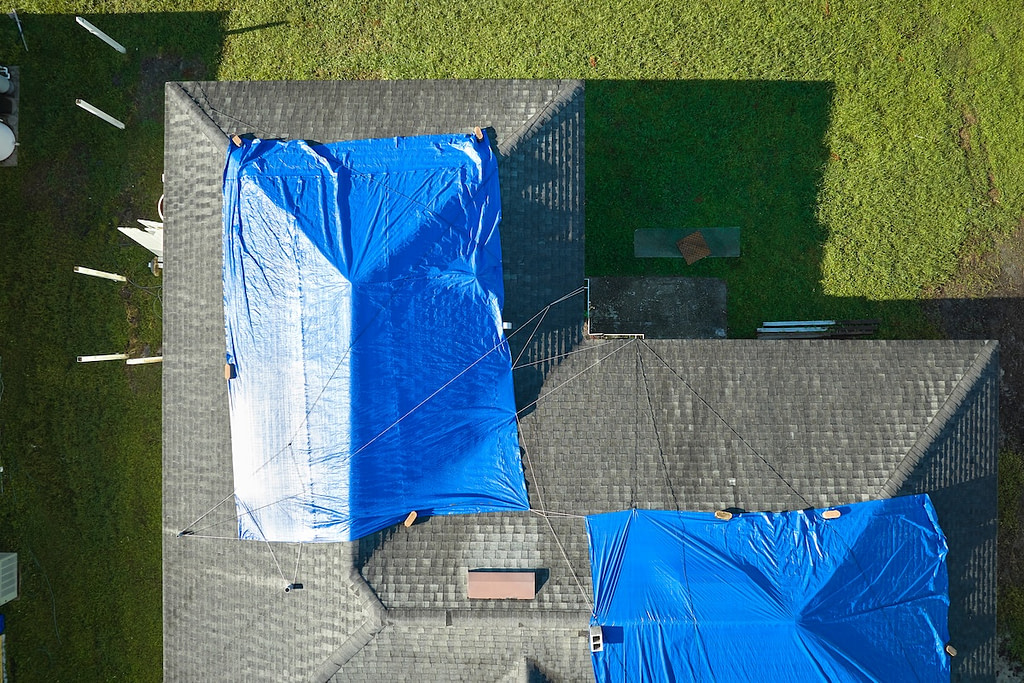
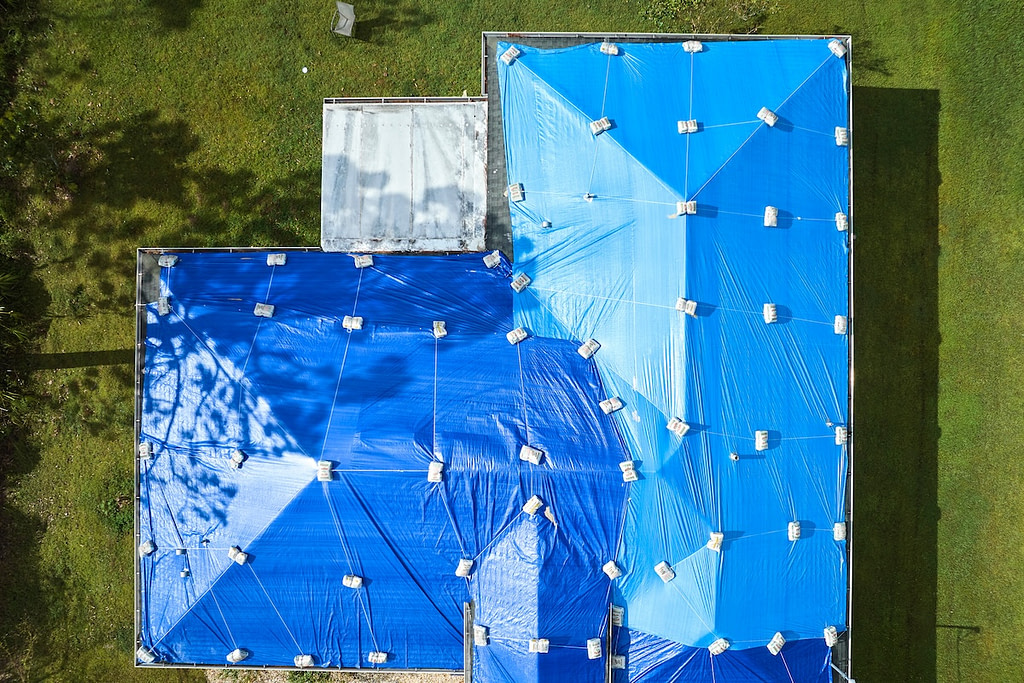
Position the tarp over the damaged area and attach it using wooden boards, roofing nails, or sandbags. Professionals often use self-tapping screws and sealant strips for additional hold. The key is achieving a tight seal that directs water off the roof rather than beneath the tarp.- Start at the peak: Work downward so water runs over, not under, the tarp.
- Anchor firmly: Secure boards perpendicular to the roof slope for stability.
- Avoid adhesive tapes: They fail quickly in wet or windy conditions.
- Inspect And Monitor The Area Regularly
Even the best-installed tarp needs occasional inspection to ensure it stays in place. Wind, rain, or ongoing weather events can loosen fasteners or tear fabric.- Check before and after storms: Ensure edges remain tight and undamaged.
- Monitor interior leaks: Watch ceilings and walls for new damp spots.
- Schedule permanent repair: Arrange for full restoration as soon as possible.
Safety Tips During Emergency Roof Tarping
Tarping can be hazardous if done without proper equipment or experience. Your safety should always come before property protection.
Stay Off The Roof During Severe Weather
Never attempt to climb onto a roof during active rain, lightning, or high winds. Wet surfaces are slippery, and even a small misstep can lead to serious injury.
- Wait until conditions stabilize: Allow rain to stop before taking action.
- Use fall protection: Professionals rely on harnesses and non-slip footwear.
- Work with a partner: Never inspect or tarp alone.
Use The Right Equipment
Proper tools and materials ensure your tarp lasts until full repairs are completed.
- Heavy-duty tarps: Choose materials rated for outdoor, long-term use.
- Secure fasteners: Avoid makeshift options like rope or tape.
- Ladders and safety gear: Always position ladders on stable, level surfaces.
Call Professionals For Large-Scale Damage
If your roof has extensive structural damage or exposed trusses, professional intervention is non-negotiable. Certified roofers like Young Construction are equipped to handle emergency stabilization safely and efficiently.
- Structural expertise: Professionals assess whether framing has been compromised.
- Fast results: Immediate action reduces interior water damage.
- Reliable protection: Commercial-grade tarps withstand strong winds and heavy rain.
Preventing Future Roof Emergencies
While no one can control the weather, regular maintenance drastically reduces your risk of needing emergency roof tarping in the future.
Routine Roof Inspections
Having your roof inspected twice a year—ideally in spring and fall—helps identify early signs of wear before storms strike.
- Spot minor issues: Detect missing shingles or loose flashing early.
- Ensure proper drainage: Keep gutters clear to prevent water backup.
- Extend lifespan: Proactive care saves money and stress long term.
Trim Overhanging Trees
Branches near your roof can break during storms and puncture shingles or decking. Keeping them trimmed minimizes that risk.
- Safe distance: Maintain at least six feet between branches and your roofline.
- Debris reduction: Fewer leaves in gutters prevent overflow.
- Wind resistance: Less canopy exposure means reduced storm impact.
Reinforce Roofing Materials
When replacing or repairing your roof, consider upgrades that improve durability against severe weather.
- Impact-resistant shingles: Provide extra defense against hail or debris.
- Waterproof underlayment: Adds a secondary barrier beneath shingles.
- Sealed flashing: Prevents water from entering vulnerable joints.
Why Choose Young Construction For Emergency Roof Tarping
At Young Construction, we understand how stressful roof emergencies can be. Our expert team responds quickly to secure your property with durable materials and professional-grade installation. We’re available for rapid response to storms, leaks, and impact damage, ensuring your home is protected until full repairs can be made.
What Sets Our Emergency Service Apart
- Fast response times: Our crews arrive promptly when disaster strikes.
- High-quality materials: We use industrial-grade tarps and secure fasteners for lasting protection.
- Safety-first approach: Every technician follows strict safety protocols for your peace of mind.
If your home has been damaged by wind, rain, or falling debris, don’t wait to act. Contact Young Construction today for professional emergency roof tarping and a free quote on permanent repairs. We’ll protect your home quickly, safely, and efficiently—no matter the weather.