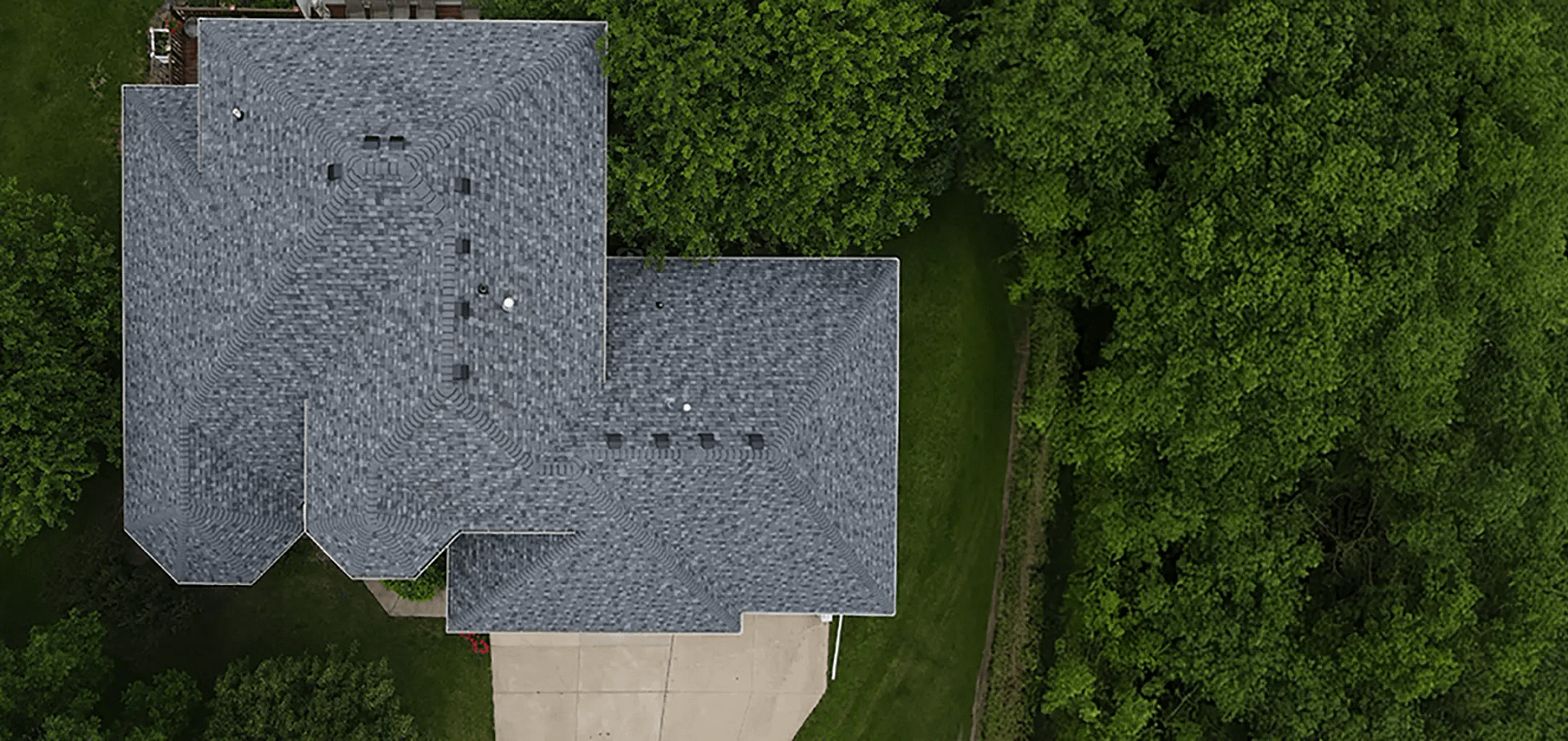
When it comes to protecting your home, few components are as important, or as often overlooked as your roof. It shields your family and belongings from harsh weather, supports energy efficiency, and plays a key role in your home’s overall structure. But how long does a roof actually last?
Our expert guide covers:
- The lifespan of different roofing materials
- Factors influencing their longevity
- Tips for extending their durability
Whether you’re buying a new home, planning a renovation, or simply curious about the status of your current roof, understanding the lifespan of different roofing materials is essential. This knowledge can save you time, money, and stress by helping you plan for future repairs or replacements.
How long does a roof last? Keep reading to find out!
Factors Affecting Roof Lifespan
Several factors influence how long a roof will last. Some of these factors are within your control, while others are not. Key considerations include:
- Climate: Different climates affect roofing materials in various ways. For example, asphalt shingles may deteriorate faster in hot, sunny climates, while metal roofs might develop rust in humid, coastal areas.
- Installation Quality: A professionally installed roof is likely to last longer than one installed by less experienced contractors. Proper installation ensures that all components function as intended, reducing the risk of premature failure.
- Roof Pitch: The slope of your roof can impact its lifespan. Steeper roofs generally shed water more effectively, reducing the likelihood of leaks and water damage.
- Ventilation: Proper attic ventilation helps regulate temperature and moisture levels, preventing issues like mold growth and wood rot that can shorten a roof’s lifespan.
- Maintenance: Regular maintenance, including inspections and prompt repairs, can significantly extend the life of your roof. Neglecting maintenance can lead to small problems escalating into major issues.
How Long Does a Roof Last? Lifespan by Roofing Material Explained
The lifespan of a roof depends on several factors, but the material it’s made of is one of the most important. Each roofing type has its own strengths, maintenance needs, and average durability. Below is a breakdown of common roofing materials and what homeowners in North Iowa can typically expect in terms of longevity, plus a few expert tips to help you get the most out of your investment.
3-Tab and Architectural Asphalt Shingles
Asphalt shingles are the most common roofing choice in the U.S. thanks to their affordability and ease of installation.
- 3-tab shingles last around 12–15 years in Iowa’s climate.
- Architectural shingles, a thicker and more durable option, typically last 20–25 years.
While these shingles are budget-friendly, they are more vulnerable to hail, wind, and UV exposure, which are all common in North Iowa. Regular maintenance like sealing, replacing missing shingles, and inspecting after storms can help extend their life.
Metal Roofing (Aluminum, Steel, Copper)
Metal roofs are a great long-term investment.
- Aluminum and steel roofs last 40–50 years on average.
- Copper and zinc roofs can last 70–90 years or more.
Metal performs well in snowy climates, and the slick surface helps shed snow and ice. However, rust prevention is key—make sure the roof is properly coated and installed by experienced professionals.
Tile Roofing (Clay or Concrete)
Tile roofs are known for their durability and unique aesthetic appeal.
- Concrete tiles generally last 40–50 years.
- Clay tiles can reach 60–80 years or longer with good care.
The biggest challenge in Iowa is freezing temperatures. Freeze-thaw cycles can crack tiles, so installation and underlayment are especially important.
Slate Roofing
Slate roofs are among the most durable options available.
- A natural slate roof can last 80–100+ years, often outlasting the house itself.
Slate is ideal for homeowners looking for a premium, low-maintenance solution. It’s heavy and expensive but nearly unmatched in longevity—especially with proper flashing and support systems.
Cedar Shingles and Shakes
Cedar roofs offer a natural look and good insulation properties.
- Cedar shingles typically last 15–20 years.
- Cedar shakes, being thicker, can last 25–30 years.
Moisture is the enemy here. In a climate like North Iowa, it’s important to regularly treat cedar with water-resistant coatings and keep it clear of moss and debris.
Roof Lifespan at a Glance (North Iowa Estimates)
Here’s a quick reference for how long roofs tend to last in our region:
- 3-tab Asphalt – 12–15 years
- Architectural Shingles – 20–25 years
- Aluminum/Steel Metal – 40–50 years
- Copper/Zinc Metal – 70–90 years
- Concrete Tile – 40–50 years
- Clay Tile – 60–80 years
- Cedar Shingles – 15–20 years
- Cedar Shakes – 25–30 years
- Slate – 80–100+ years
Signs Your Roof Needs Attention
Regardless of the material, it’s crucial to recognize signs that your roof may need repair or replacement. Common indicators include:
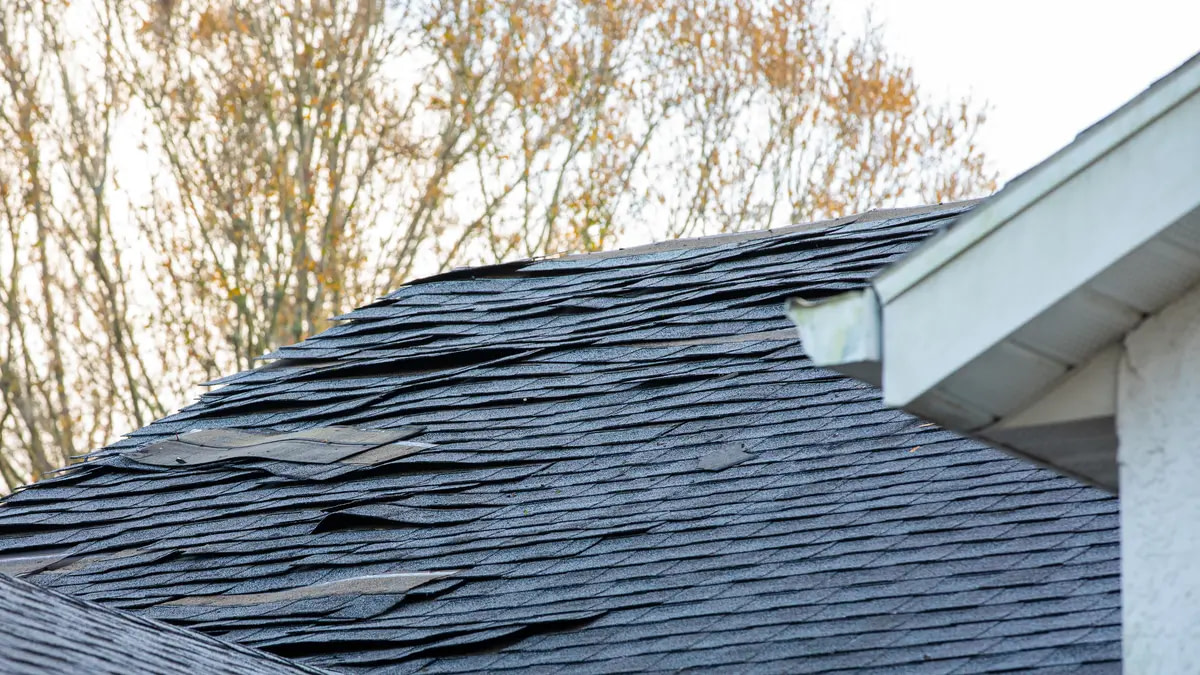
- Missing or Damaged Shingles/Tiles: Gaps in your roof covering can lead to leaks and water damage.
- Sagging Roof: A sagging roof can indicate structural issues that require immediate attention.
- Water Stains on Ceilings or Walls: These can be a sign of leaks or poor ventilation in the attic.
- Moss or Algae Growth: While not always a structural concern, moss and algae can trap moisture and damage roofing materials over time.
- Granule Loss (for asphalt shingles): If you find granules in your gutters, it may be a sign that your shingles are nearing the end of their life.
Maintenance Tips for Prolonging Roof Life
Regular maintenance is key to extending the lifespan of your roof. Here are some practical tips:
- Conduct Regular Inspections: Inspect your roof at least twice a year, ideally in the spring and fall. Look for signs of damage, wear, and tear, and address any issues promptly.
- Clean Gutters and Downspouts: Clogged gutters can lead to water backup and damage to your roof and fascia. Ensure your gutters and downspouts are clean and free-flowing.
- Remove Debris: Keep your roof clear of leaves, branches, and other debris that can trap moisture and lead to rot or mold growth.
- Trim Overhanging Branches: Overhanging branches can scrape and damage your roof, especially during storms. Trim them back to prevent potential issues.
- Address Leaks Immediately: If you notice any signs of leaks, such as water stains or dampness in your attic, address them immediately to prevent further damage.
- Apply Protective Treatments: For wood and metal roofs, consider applying protective treatments to prevent moisture damage and rust. This can significantly extend the life of your roof.
When to Consider a Roof Replacement
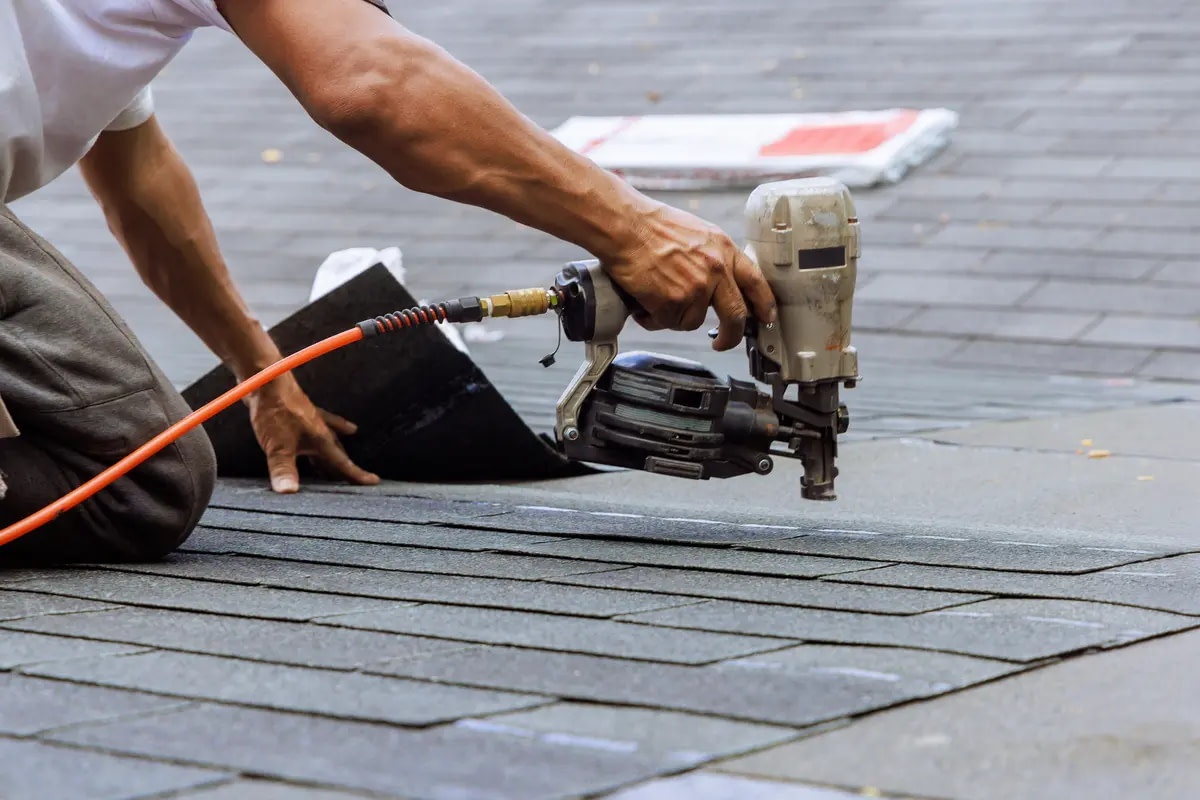
Knowing when to replace your roof is crucial to avoid costly repairs and potential damage to your home. Consider a replacement if:
- Your Roof is Nearing the End of Its Lifespan: If your roof is approaching the age range mentioned for its material type, it’s time to start planning for a replacement.
- Frequent Repairs: If you find yourself constantly paying for repairs, a new roof may be a more cost-effective solution in the long run.
- Widespread Damage: Extensive damage, such as multiple leaks or significant shingle loss, often indicates that a replacement is necessary.
- Energy Efficiency Concerns: Older roofs may lack proper insulation and ventilation, leading to higher energy bills. A new roof with modern materials can improve your home’s energy efficiency.
Choosing the Right Roofing Material for Your Home
Selecting the right roofing material involves considering various factors, including your budget, climate, and aesthetic preferences. Here’s a brief overview to help you make an informed decision:
Budget
- Economical Options: Asphalt shingles are cost-effective and widely available.
- Mid-Range Options: Metal and tile roofs offer a balance between cost and durability.
- Premium Options: Slate roofs are expensive but provide unparalleled longevity and beauty.
Climate
- Hot Climates: Metal roofs reflect sunlight and are energy-efficient.
- Cold Climates: Slate and tile roofs handle freeze-thaw cycles well.
- Humid Climates: Metal and treated cedar roofs resist moisture damage.
Aesthetic Preferences
Consider the overall style of your home and neighborhood when choosing roofing materials. For example, clay tiles complement Mediterranean-style homes, while slate adds elegance to historic properties.
Need Help Deciding if It’s Time to Replace Your Roof?
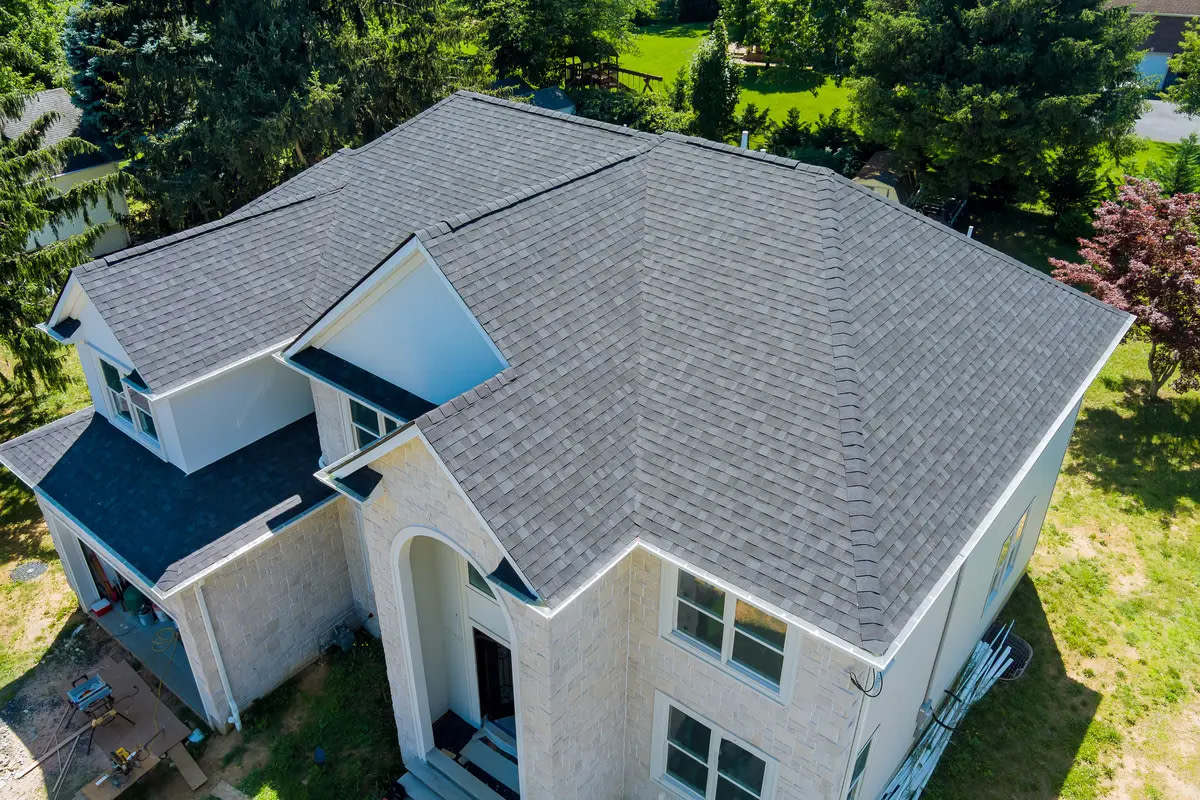
Knowing how long a roof lasts and what shortens or extends that lifespan is key to protecting your home and avoiding surprise repairs. If you’re unsure about the condition of your current roof or thinking about an upgrade, Young Construction is here to help.
Our experienced North Iowa roofing team offers honest inspections, expert guidance, and high-quality replacements using materials that are built to last in our climate.
Get in touch today to schedule a free roof assessment or ask us anything about roof maintenance, lifespan, or materials. We’re here to make sure your home stays protected for years to come.
FAQ’s
How often should I inspect my roof?
It’s recommended to inspect your roof at least twice a year. Once in the spring and once in the fall. Additionally, inspect your roof after major storms or extreme weather events.
How does Iowa weather affect how long a roof lasts?
Iowa’s heavy snow, hail, and freeze-thaw cycles can cause shingles to crack or lift, shortening a roof’s lifespan. Strong winds can also tear off materials. Regular inspections after major storms can help identify damage early and keep your roof lasting longer.
How often should a roof be replaced?
Most roofs need replacing every 15 to 30 years, depending on the material and local weather. Asphalt shingles typically last 20 years, metal 40–70, and tile or slate up to 100. In North Iowa, harsh winters and hail can shorten that lifespan. If you see missing shingles, leaks, or sagging areas, it’s time to call a roofer for an inspection.
What are the signs that a roof needs to be replaced?
Watch for cracked or curling shingles, water stains on ceilings, frequent leaks, or granules in gutters. Moss growth or sagging areas are also warning signs. If your roof is over 20 years old, a professional inspection can confirm whether repairs or a full replacement make more sense.