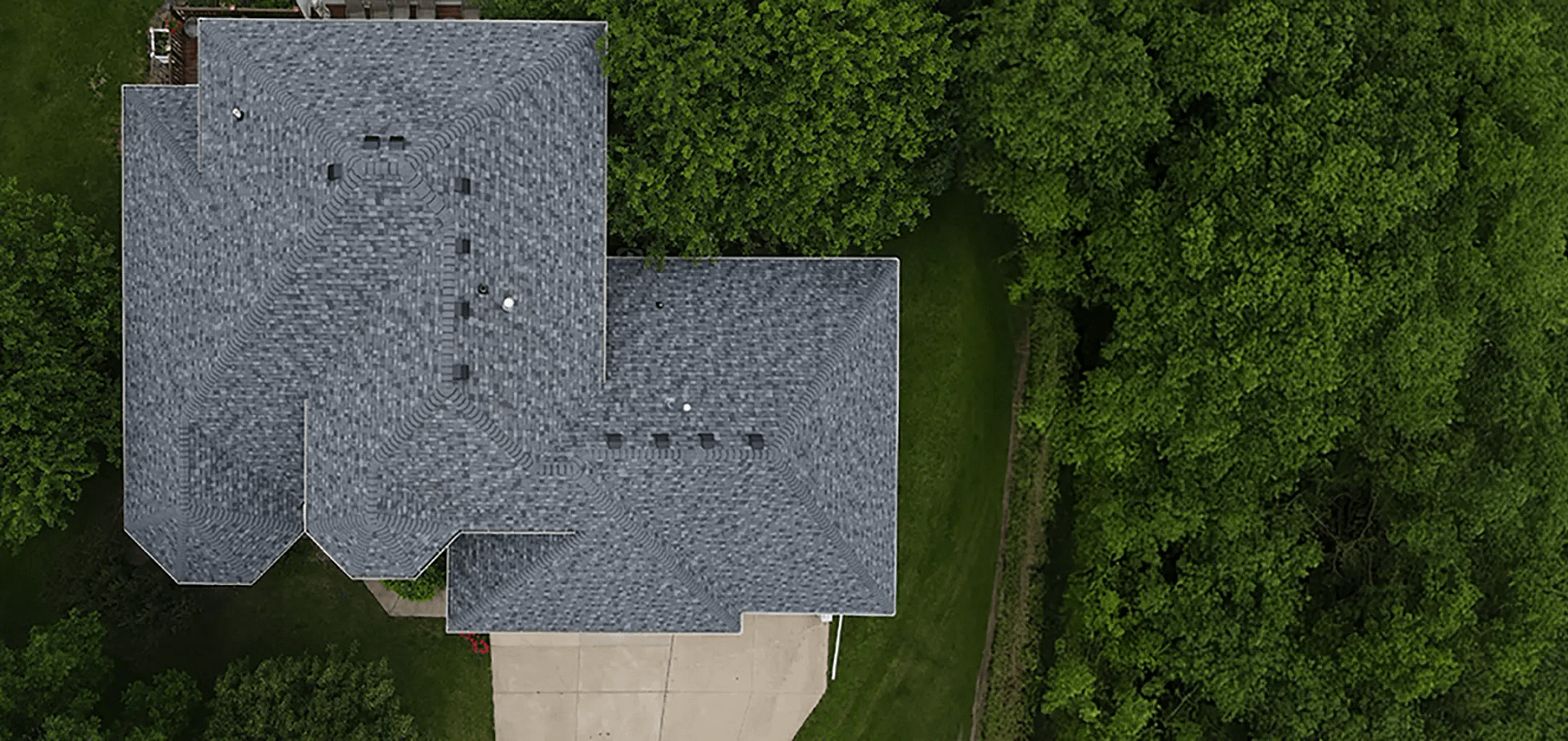
Storms can be one of the most damaging events for a home, especially when they lead to roof storm damage. As the first line of defense against wind, hail, and heavy rain, your roof absorbs the full impact of severe weather. Even small areas of damage can quickly develop into leaks, mold, or structural issues if they aren’t identified and repaired promptly.
This guide explains what homeowners need to know about roof storm damage, including how to recognize it, how to protect your home, and what steps to take if your roof has been affected.
Key Takeaways
- What roof storm damage looks like and the most common types to watch for
- How to identify early signs of storm-related issues
- What to do immediately after a storm to prevent additional damage
- Repair options based on the severity and type of roof storm damage
- When to involve a professional roofing company for inspection or repairs
- Preventative measures to keep your roof in strong condition
What is Roof Storm Damage?
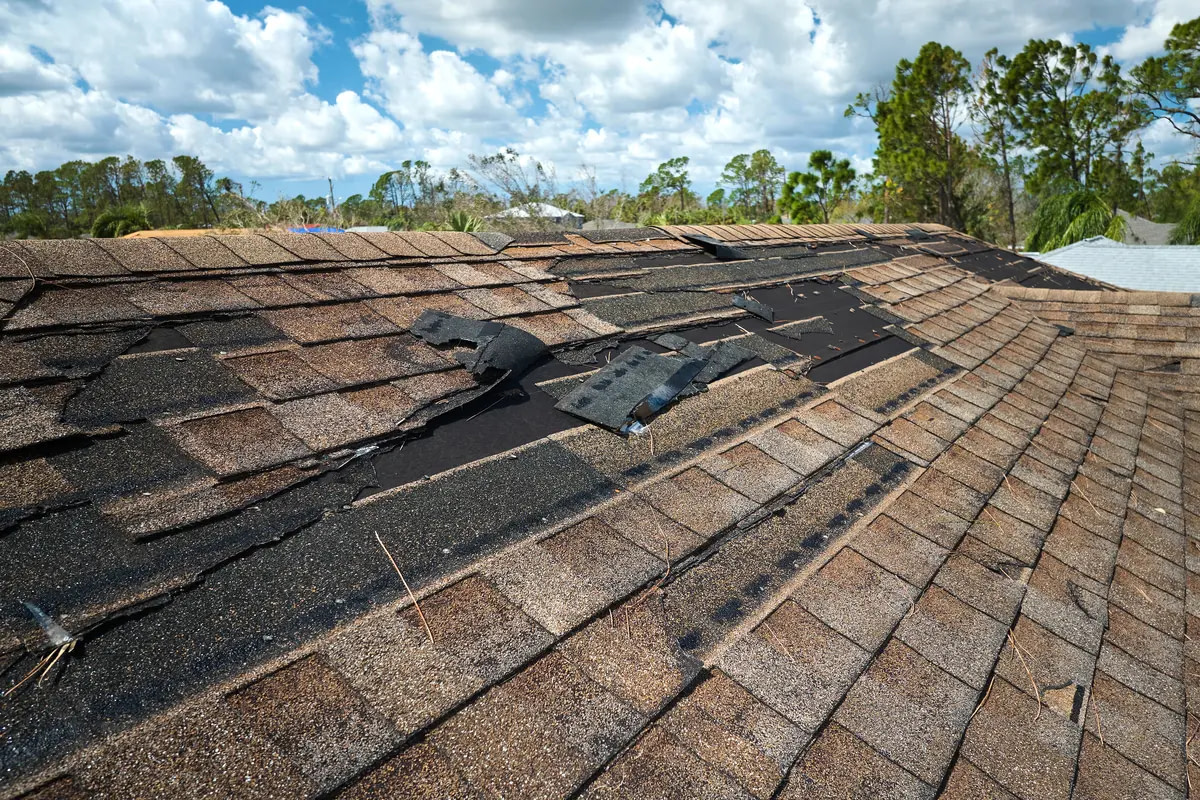
Roof storm damage refers to any type of deterioration or structural harm caused by severe weather. These weather-related events can weaken or compromise your roof’s ability to protect your home.
Common causes of storm-related roof damage include:
- High winds: Can lift, loosen, or tear off shingles
- Hail: Can bruise shingles, dislodge granules, or dent metal flashing
- Heavy rain: May lead to leaks, water intrusion, or rot
- Snow and ice: Can create ice dams that force water beneath shingles
- Falling debris: Branches or objects blown by wind can puncture or crack roofing materials
The severity of the damage depends on the intensity of the storm, the type of roofing material, and the age or condition of the roof before the event. Even if damage isn’t immediately visible, it can lead to long-term issues like water damage, mold, and structural weakness if not addressed promptly.
6 Signs of Storm Damage to Your Roof
Storm damage isn’t always dramatic or obvious, but even small issues can lead to major problems if they’re not identified early. Knowing what to look for after a storm can help you catch damage before it compromises your roof or your home’s structure.
Here are six important signs to check for:
1. Missing, Lifted, or Curled Shingles
Shingles form the protective outer layer of your roof. High winds can loosen or tear them off completely, leaving your roof deck exposed to water. Lifted or curled edges may not seem serious, but they allow moisture to seep underneath, potentially leading to rot, mold, and long-term roof failure.
- What to check: Look for bare spots, uneven shingle lines, or shingles lying in your yard after a storm.
2. Water Stains or Leaks Indoors
Storms can drive water into small cracks or under lifted shingles, where it can penetrate your attic or upper ceilings. Discoloration, bubbling paint, and musty odors are all signs that water is getting inside.
- Why it matters: Even a small leak can lead to insulation damage, mold growth, and weakened ceiling structures if left unaddressed.
3. Debris or Tree Limbs on the Roof
Fallen branches and wind-blown debris can puncture shingles, damage flashing, or shift roofing materials. Even if the debris didn’t cause immediate visible damage, it can trap moisture or clog drainage paths, accelerating wear over time.
- What to check: Remove debris carefully and inspect the area beneath for any shingle displacement or surface impact.
4. Damaged or Missing Flashing and Roof Vents
Flashing is the thin metal material that seals joints and roof penetrations, such as chimneys, skylights, and vents. If flashing is bent, rusted, or missing, water can enter the home in hard-to-see places.
- Why it matters: Flashing failure is one of the most common causes of long-term roof leaks and water damage around interior walls or fireplaces.
5. Sagging or Uneven Rooflines
Your roof should appear level and uniform. Sagging areas often indicate trapped water, weakened decking, or structural stress caused by long-term exposure to moisture.
- What to check: Look at your roof from the ground. Any sections that dip or look uneven should be inspected professionally, even if there’s no leak yet.
6. Granules in Gutters and Downspouts
Asphalt shingles are coated with granules that provide UV protection and fire resistance. During a storm, especially one with hail, those granules can be knocked loose.
Why it matters: Granule loss accelerates shingle aging and leaves your roof vulnerable to the elements. Significant granule buildup in your gutters after a storm is a clear sign of damage.
If you notice one or more of these signs or even suspect storm damage, don’t delay. A licensed roofing contractor can assess your roof thoroughly and recommend the right course of action, whether it’s a small repair or full replacement. Early detection can save you thousands in repairs and ensure your home stays protected.
Types of Roof Storm Damage
Understanding the different types of roof storm damage can help you identify issues early and take appropriate action. Here are some common forms of roof storm damage:
Wind Damage
Strong winds can cause significant damage to your roof. High winds can lift and bend shingles, tear them off, or even blow debris onto the roof. Look for:
- Missing shingles or tiles
- Bent or curled shingles
- Damaged flashing around chimneys and vents
- Gaps or exposed areas on the roof
Hail Damage
Hailstones can cause severe damage to the roof by denting, cracking, or puncturing shingles. The size of the hailstones and the duration of the storm play a crucial role in the extent of the damage. Signs of hail damage include:
- Dented or cracked shingles
- Granule loss on asphalt shingles
- Dents on metal roofing or gutters
- Damage to skylights or other roof fixtures
Water Damage
Heavy rain can lead to water damage, especially if your roof is already compromised. Water can seep under damaged shingles, leading to leaks and water intrusion into your home. Indicators of water damage are:
- Water stains on ceilings or walls
- Mold or mildew growth
- Damp or soggy insulation in the attic
- Visible leaks during or after rain
Impact Damage
Falling branches, trees, or other debris during a storm can cause significant impact damage to your roof. This type of damage is often visible and can lead to critical structural issues if not addressed promptly. Check for:
- Holes or punctures in the roof
- Cracked or broken shingles
- Damaged or displaced roof decking
- Structural damage to rafters or trusses
Snow and Ice Damage
In colder climates, snow and ice can cause roof damage in several ways. Heavy snow accumulation can add significant weight to the roof, while ice dams can form at the roof edges, preventing proper drainage. Signs of snow and ice damage include:
- Sagging roof sections
- Leaks or water stains in the attic
- Ice dams at the roof edges
- Broken or damaged shingles from ice buildup
How to Inspect Your Roof for Storm Damage
Regular inspection of your roof after a storm is crucial to identify and address any potential issues. Here’s a step-by-step guide on how to inspect your roof for storm damage:
Safety First
Before you start your inspection, prioritize safety. Use a sturdy ladder and take precautions to avoid falls. If you’re uncomfortable with climbing onto your roof, consider hiring a professional roofer to conduct the inspection.
Conduct an Exterior Inspection
Walk around the perimeter of your home and visually inspect the roof from the ground. Look for obvious signs of damage such as missing shingles, dents, or debris on the roof. Pay close attention to:
- Shingles and tiles
- Gutters and downspouts
- Chimneys and vents
- Flashing and roof edges
Check for Interior Damage
Inspect the interior of your home for any signs of water damage or leaks. This includes checking the attic, ceilings, and walls for:
- Water stains or discoloration
- Damp or soggy insulation
- Mold or mildew growth
- Visible leaks
Document the Damage
Take detailed notes and photographs of any damage you find. This documentation will be valuable when filing an insurance claim or working with a roofing contractor.
Get a Professional Inspection
If you suspect significant damage or are unsure about the extent of the damage, it’s best to hire a professional roofing contractor to conduct a thorough inspection. They have the expertise and tools to accurately assess the condition of your roof.
What to Do After a Storm
Taking the right steps after a storm can reduce long-term damage and improve your chances of successful insurance coverage.
- Stay away from downed power lines or unstable structures.
- Walk your property and take photos of any visible damage.
- Look inside the attic and ceilings for discoloration, damp insulation, or active leaks.
- Avoid attempting temporary roof repairs without proper safety.
- Contact a local roofing contractor for a professional inspection and repair estimate.
The sooner damage is documented and addressed, the lower the risk of mold, wood rot, or structural problems.
Storm Damage Repair Options
Depending on the severity and type of storm damage, several repair options may be available:
- Shingle Replacement: For isolated areas of damage, replacing individual shingles may restore protection.
- Partial Roof Replacement: If damage is confined to one side or slope of the roof, a sectional replacement may be recommended.
- Full Roof Replacement: Severe damage or widespread wear may require a complete tear-off and replacement.
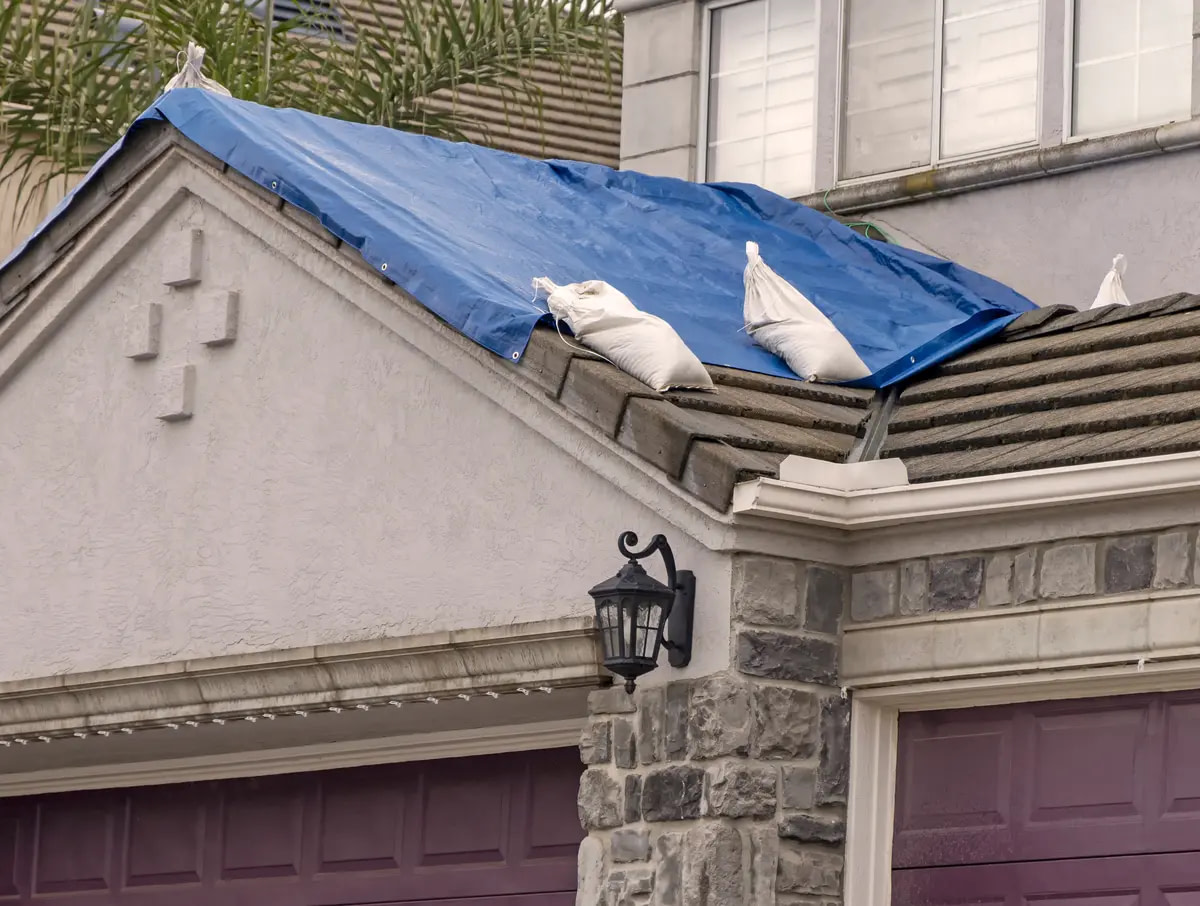
- Emergency Tarping or Sealing: Temporary protection may be installed to stop active leaks until full repairs are completed.
- Upgraded Roofing Options: Homeowners may choose to upgrade to impact-resistant shingles or enhanced underlayment for future protection.
An experienced roofing contractor will explain which solution best fits the condition and age of your roof.
How Roofing Companies Assist Homeowners
Roofing professionals play a critical role in restoring safety and structure to your home after a storm. Their services typically include:
- Detailed inspections to identify visible and hidden storm damage.
- Damage documentation, including photos and written reports for insurance purposes.
- Coordination with insurance adjusters to ensure accurate claim assessments.
- Emergency response services, such as tarping or sealing active leaks.
- Repair or full roof replacement using weather-appropriate materials.
- Warranties and ongoing support for long-term peace of mind.
Working with a reputable contractor helps ensure repairs are completed efficiently, safely, and in compliance with local codes.
Steps to Take After Identifying Roof Storm Damage
Once you’ve identified roof storm damage, it’s important to take immediate action to prevent further damage and ensure your home remains protected. Here are the steps you should take:
- Contact Your Insurance Company: Notify your insurance company about the damage as soon as possible. Provide them with the documentation and photographs you collected during your inspection. They will guide you through the claims process and may send an adjuster to assess the damage.
- Make Temporary Repairs: If there are visible holes or leaks, make temporary repairs to prevent further water intrusion. You can use tarps or plastic sheeting to cover damaged areas until a professional can make permanent repairs.
- Hire a Reputable Roofing Contractor: Choose a reputable roofing contractor with experience in storm damage repair. They will provide a detailed estimate for the repairs and work with your insurance company to ensure the necessary repairs are covered.
- Schedule Permanent Repairs: Once your insurance claim is approved, schedule the permanent repairs with your roofing contractor. Ensure that all damaged areas are properly repaired or replaced to restore the integrity of your roof.
Preventative Measures to Protect Your Roof
While you can’t control the weather, there are steps you can take to minimize the risk of storm damage to your roof. Here are some preventative measures to consider:
Regular Roof Maintenance
Regular maintenance is key to keeping your roof in good condition. This includes:
- Cleaning gutters and downspouts
- Removing debris from the roof
- Inspecting and repairing damaged shingles
- Checking and sealing flashing
Trim Overhanging Branches
Trim any tree branches that hang over your roof to prevent them from falling during a storm. This reduces the risk of impact damage and keeps debris off your roof.
Install Impact-Resistant Shingles
Consider upgrading to impact-resistant shingles, especially if you live in an area prone to hailstorms. These shingles are designed to withstand hail impact and reduce the risk of damage.
Improve Roof Ventilation
Proper roof ventilation helps prevent ice dams and reduces the risk of condensation-related damage. Ensure your attic has adequate ventilation to promote airflow and maintain a balanced temperature.
Secure Loose Objects
Before a storm hits, secure any loose objects in your yard that could become airborne and damage your roof. This includes patio furniture, garden tools, and decorations.
The Importance of Professional Roof Inspections
While DIY inspections can help you identify obvious damage, professional roof inspections offer several advantages:
- Expertise and Experience: Professional roofers have the expertise and experience to identify subtle signs of damage that may go unnoticed by an untrained eye. They can assess the overall condition of your roof and recommend necessary repairs.
- Access to Specialized Tools: Roofing contractors have access to specialized tools and equipment that allow them to conduct thorough inspections. This includes infrared cameras to detect hidden moisture and drones to capture aerial views of the roof.
- Comprehensive Assessment: A professional inspection provides a comprehensive assessment of your roof’s condition. This includes checking for damage to shingles, flashing, gutters, and other components. They can also identify potential issues that may lead to future damage.
- Peace of Mind: Hiring a professional roofer gives you peace of mind knowing that your roof is in good hands. They can provide detailed reports and documentation, which can be valuable when filing insurance claims or planning maintenance.
Schedule A Professional Roof Inspection
Roof storm damage is a serious concern for homeowners, but with the right knowledge and proactive measures, you can protect your home and ensure your roof remains in top condition.
If you’re unsure about the condition of your roof or need assistance with storm damage repairs, don’t hesitate to reach out to a reputable roofing contractor. Their expertise and experience will help you safeguard your home and keep your roof in optimal shape.
Remember, your roof needs to be safe to thrive. Investing in its maintenance and care is essential for the long-term protection of your property. Stay vigilant, stay prepared, and ensure your roof is ready to weather any storm.
Need Help with Roof Storm Damage?
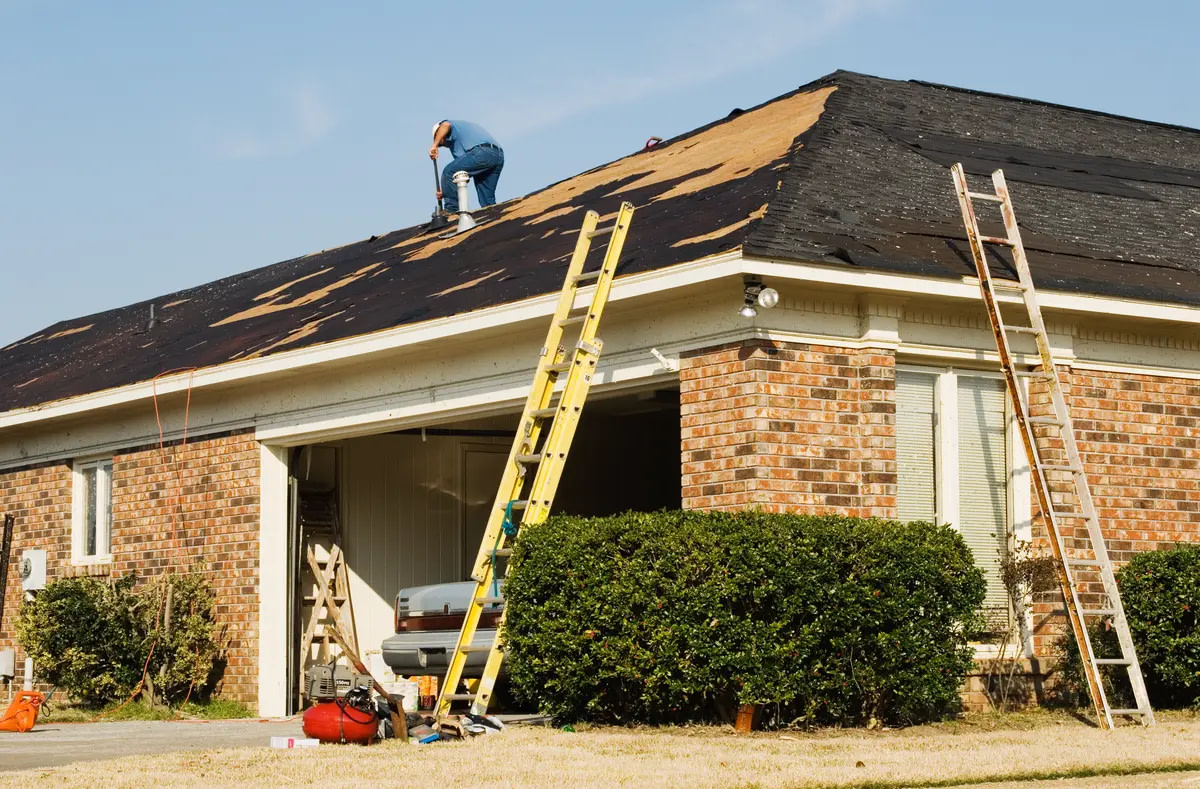
If your home has experienced a recent storm, addressing roof damage quickly is essential to prevent further issues. Young Construction provides expert roof inspections and repairs for homeowners throughout North Iowa.
Contact our team today to schedule your inspection and take the first step toward restoring your home’s protection.
FAQ’s
What is considered storm damage to a roof?
Storm damage refers to any harm caused to roofing materials due to severe weather conditions such as high winds, hail, heavy rain, or falling debris. Common signs include missing shingles, dented metal components, granule loss on shingles, leaks inside the home, and visible punctures or soft spots on the roof surface. Even damage that may not be immediately visible can weaken the roof’s integrity over time.
Does homeowners’ insurance cover storm damage to roofs?
In most cases, yes. Standard homeowners’ insurance policies typically cover sudden and accidental damage caused by wind, hail, or falling objects during a storm. However, coverage can vary depending on the policy, the age of the roof, and the type of damage. It’s best to review your policy and consult with your insurance provider after a storm.
How soon should I get my roof inspected after a storm?
You should schedule a roof inspection as soon as possible after the storm has passed. Prompt inspections help identify damage early, prevent further deterioration, and ensure that any insurance claims are filed within the required time frame.
Can I repair storm damage on my roof myself?
While some damage might seem minor, attempting DIY repairs can be dangerous and may lead to improper fixes or further complications. It’s recommended to hire a licensed roofing contractor who can safely assess and repair the damage according to building codes and warranty standards.